WWF is calling on governments to support global bans and phase-outs of the “most high-risk and unnecessary” single-use plastic products – such as plastic cutlery, e-cigarettes and microplastics in cosmetics, among others, ahead of the UN plastic pollution treaty talks taking place in Paris from May 29 to June 2, 2023.
A series of new reports published on May 15 – commissioned by WWF and conducted by Eunomia – identifies the most damaging plastic products polluting the environment and proposes global control measures needed to eliminate, reduce or safely manage and circulate these plastics. WWF is advocating for these measures to be included in the treaty text, set to be published in the lead-up to the next round of talks in December 2023.
The research presents solutions for how to address the most urgent plastic pollution challenges under the new global treaty, by splitting plastic products into two groups – those that can feasibly be significantly reduced or eliminated in the short term (Class I) and those that cannot currently be feasibly eliminated or significantly reduced but require global control measures to promote recycling and responsible management and disposal (Class II).
The analysis splits the products into broad categories based on pollution risk, which WWF believes will aid effective regulation at the global level, over legislating for individual plastic items – which can be both complex and open up potential loopholes.
Recognising the complex, interconnected and pervasive relationship society has built with plastics, the analysis also considers any unintended environmental, health and societal consequences of eliminating or replacing a certain type of plastic.
“We’re locked into a system where we’re now producing quantities of plastic well beyond what any country can properly deal with, resulting in a plastic pollution crisis affecting the environment as well as society,” says Marco Lambertini, WWF Special Envoy. “And if we don’t take action right now, the situation’s only going to get worse. On our current trajectory, by 2040 global plastic production will double, plastic leakage into our oceans will triple and the total volume of plastic pollution in our oceans will quadruple. We cannot allow this to happen. Plastic pollution is a global problem that requires a global solution. Negotiators must heed the guidance in this report and work together to create a treaty with comprehensive and specific binding global rules that can turn the tide on the plastic crisis.”
Related Articles: Plasticosis: A Synthetic Health Crisis Waiting in the Wings? | 4 Ways to Reduce Plastic Pollution | Plastic Waste Is Creating New Communities on the Ocean’s Surface
While plastic is cheap and versatile, with countless uses across many industries, almost half of all plastic is used to create short-lived or single-use products that can spend hundreds of years degrading – and most of which are consumed in high and upper-middle income countries. Research shows that by 2015, 60% of all plastics ever produced had already reached their end of life and been discarded. Globally, less than 10% of plastic products are recycled.
“Many countries are already implementing measures, from bans of plastic items such as bags or straws and stirrers, to microbeads in cosmetics or single-use food and beverage items,” says Lambertini. “But we know this isn’t enough. We need coordinated approaches led by globally agreed rules that can make a difference at scale and put every country and company on the same level playing field. It’s 2023. There’s no logical reason to keep many single-use plastic products in circulation globally when we know they’re causing so much damage; polluting waterways and choking the oceans and entering our own food chain. There’s so much technology at the industry’s fingertips to provide more sustainable alternatives and substitutes. We need regulation and incentives to support this transition by sparking innovation and boosting trade in sustainable alternatives.”
Despite regulation and voluntary measures at national levels, efforts haven’t proven enough to stop plastic leaking into the environment in one location, and ending up hundreds or even thousands of kilometres away. Single-use plastics, microplastics and lost or discarded fishing equipment – known as “ghost gear” – now make up the majority of plastic pollution in the ocean.
“Many communities don’t have the infrastructure to deal with this barrage of plastic waste flooding their lives, nor can many governments afford collection services. So communities are left to manage the waste by themselves which can lead to negative impacts on their well-being,” says Zaynab Sadan, WWF Plastics Policy Coordinator for Africa. “Eliminating high-risk and unnecessary single-use plastics is the first step towards creating a fairer and more circular economy, but the treaty must ensure the recognition and inclusion of those who may be affected by such bans, such as informal waste workers. The negotiations in Paris are an unmissable opportunity to put forward global measures that could finally move us away from the single-use mindset that’s fuelling the dual nature and climate crises, and put us on a nature-positive pathway.”
Following a promising start at the first Intergovernmental Negotiation Committee (INC) meeting last year, negotiators must now flesh out the details of the treaty text to most effectively and equitably tackle plastic pollution.
— —
This article was originally published by WWF and is republished here as part of an editorial collaboration with WWF.
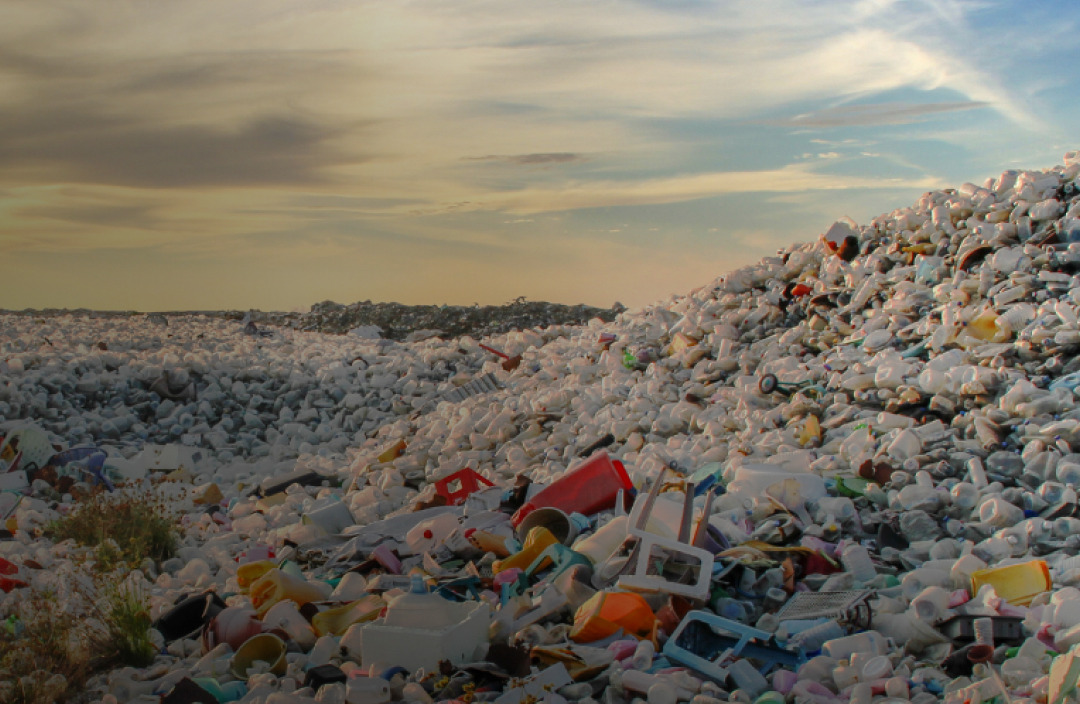
Editor’s Note: The opinions expressed here by the authors are their own, not those of Impakter.com — In the Featured Photo: Plastic waste. Featured Photo Credit: WWF.