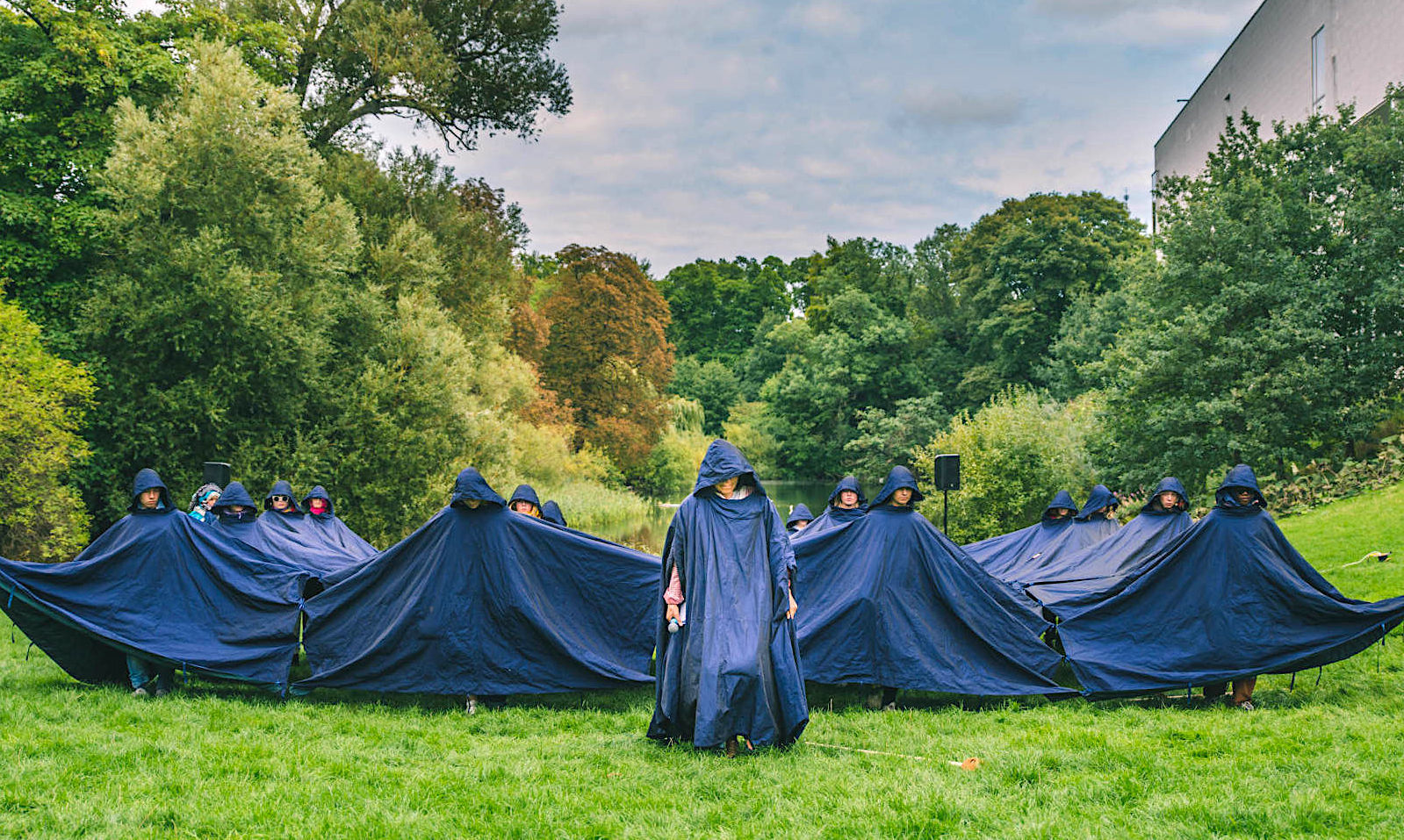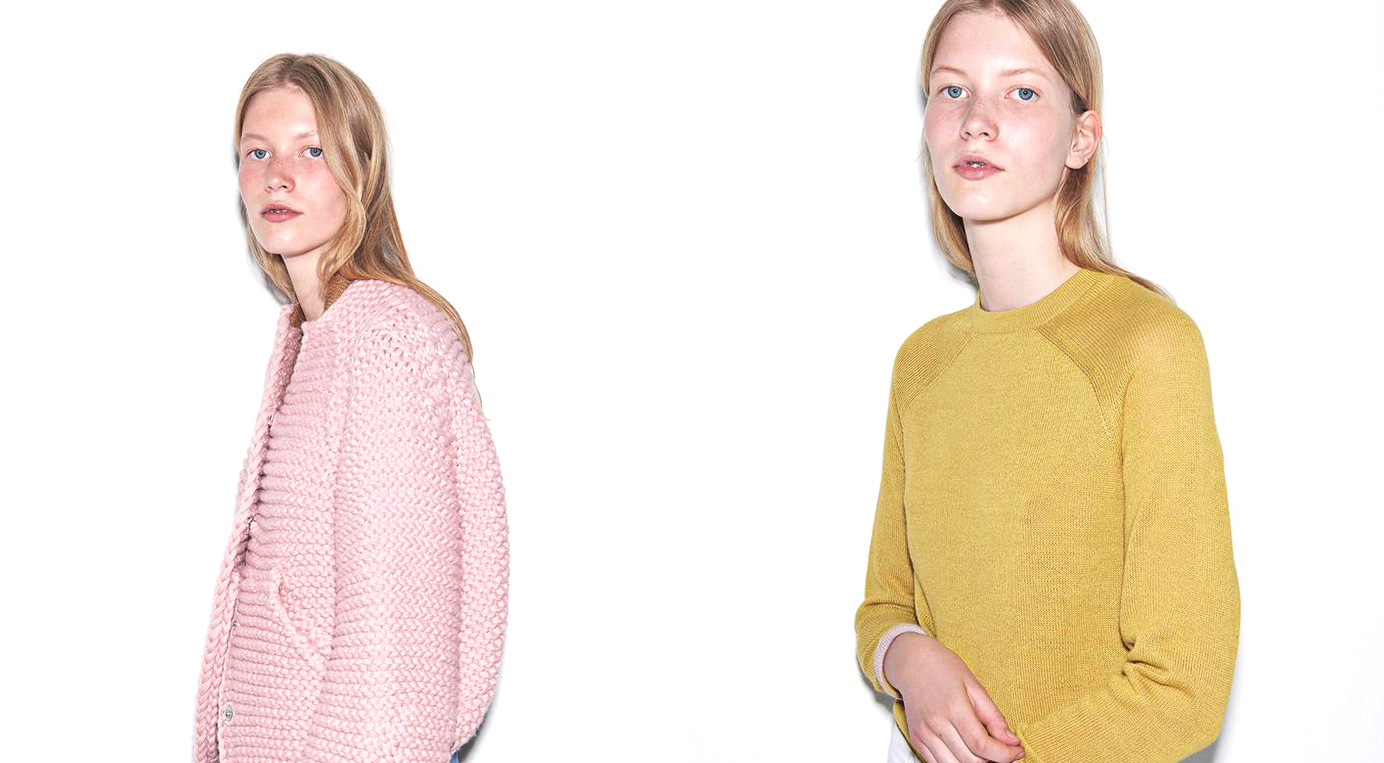
When it comes to clothes, the Danes have always been about quality over quantity. Danish labels have attained global recognition for their minimalistic approach to style and it’s no surprise that so many reject fast fashion. Danish brands manage the production process carefully and use rich, durable textiles to ensure longevity in garments. Unlike the majority of the global textile industry, Danish designers practice slow fashion.
MORE: Shaving creams and shavers are usually always present in our lives. If you are looking to upgrade yours or are curious with the other types of shavers out there, visit this link https://www.productexpert.com/best-electric-shavers-for-women
As opposed to trend-driven production, designers create staple pieces ethically and sustainably and customers buy better quality pieces less often. In Copenhagen, brands are leading the sustainable fashion industry and many women designers are at the forefront of the movement. Brands like By Signe, WORON and Carcel are female-run companies devoted to environmentally-conscious and ethical practice. Their clothes combine sustainably-sourced fabrics with responsible production and fair labour, caring for both people and planet. Learn more about these innovative women and the sustainable ethos behind each of their brands.
By Signe
Epitomising modern Scandi chic, By Signe is a sustainable womenswear label created by Danish designer Signe Rødbro. Founded in 2015, By Signe’s clothes have an unmistakable Nordic influence – mixing soft colours with clean lines, Rødbro creates pieces that feel both classic and contemporary. A strong advocate against the pollution caused by the global fashion industry, Rødbro placed sustainability at the core of her brand from its conception. Every garment is created with organic materials certified by the Global Organic Textile Standard (GOTS) and produced in-house in Rødbro’s studio in Denmark. This allows Rødbro to manage the production process directly, reducing the label’s carbon footprint significantly while also ensuring the clothes are free from any toxic materials or chemicals.
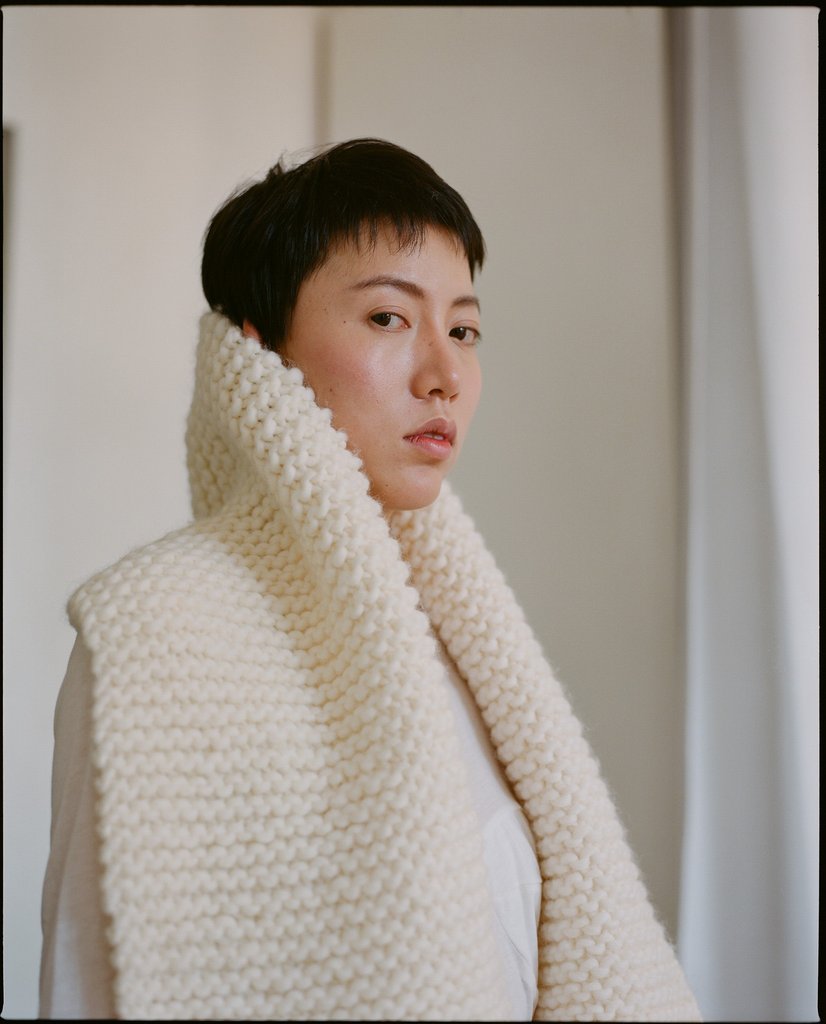
In the photo: Hand-knitted scarf made from organic wool, AW18. Photo Credits: By Signe
All of By Signe’s collections are split into two lines, more casual loungewear and contemporary fashion. The brand’s latest collection, AW18 is inspired by Rødbro’s personal experiences with the tragic digital world of modern-day love stories. With the moon as a prime focus, representing both light and dark, the collection searches for lightness and natural beauty in darker, complex mental states. Committed to honest and ethical practice, By Signe combines clean design with sustainable production, creating timeless, elegant pieces.
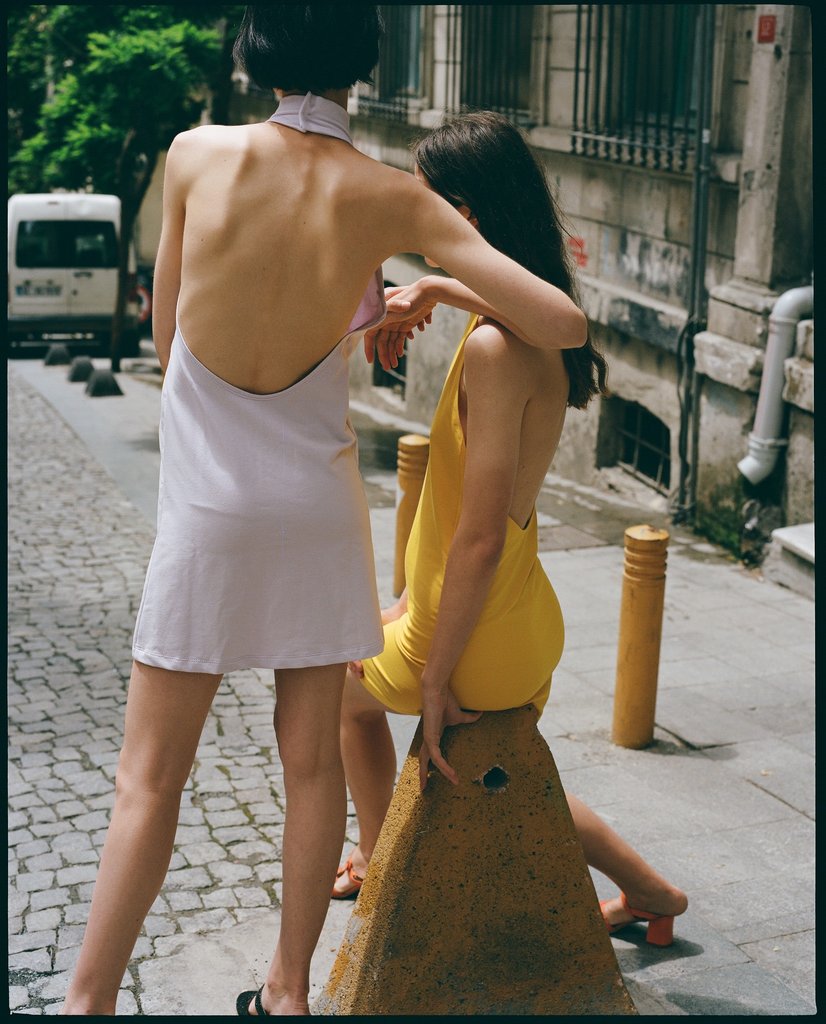
In the Photo: 70’s dress made from organic cotton jersey, AW17. Photo Credits: By Signe
WORON
Based in Copenhagen, lingerie brand WORON was founded by sisters Arina and Anya Woron in 2016. Tired of uncomfortable bras and lingerie, inspired by www.flowerbagslingerie.co.uk/nightwear/bed-jackets/ the sisters aimed to create classic, perfectly fitted feminine essentials without sacrificing comfort, style and most importantly, sustainability. Slow fashion is at the core of WORON’s design process and the sisters strive to create pieces that are not only beautiful but have longevity. All the fabrics used by WORON are plant-based, allowing the skin to breathe – every undergarment is made with Lenzig, a smooth fibre made from sustainably sourced beechwood which is then spun into fabric known as Modal. The fabric is irritation-free and naturally inhibits the growth of bacteria. It also has a much longer lifespan than cotton, being more resistant to shrinkage and fading.
 IN THE PHOTO: WORON SOFT-BRA AND BRIEF SET. PHOTO CREDITS: WORON
The brand’s three keywords – Sustainable Fashion Essentials – are the sister’s main source of inspiration. With a minimalistic Scandinavian style, WORON’s clothes have a clean, chic appeal while still feeling elegant and luxurious. By limiting each collection to its essence, the sisters can afford to focus their designs while being involved in each part of the production process, from conception all the way to the customer’s closet, making sure that the brand’s quality is always up to standard. Never compromising when it comes to comfort and sustainability, Arina and Anya Woron create simple, luxurious lingerie, proving that less can definitely be more.
 IN THE PHOTO: WORON SMOOTH FIT SOFT-BRA. PHOTO CREDITS: WORON
CARCEL
Poverty is the leading cause of female incarceration and sustainable clothing line, Carcel, is working towards breaking this cycle of poverty by providing women in prison with a fair, stable income. Conceptualised by Veronica D’Souza in partnership with talented designer Louise Van Hauen, Carcel is simple Danish Design with a message that is far more complex. The brand empowers women to be financially self-sufficient and fights against the fashion industry’s worst crimes – mass production, pollution, unfair labour and poor working conditions.
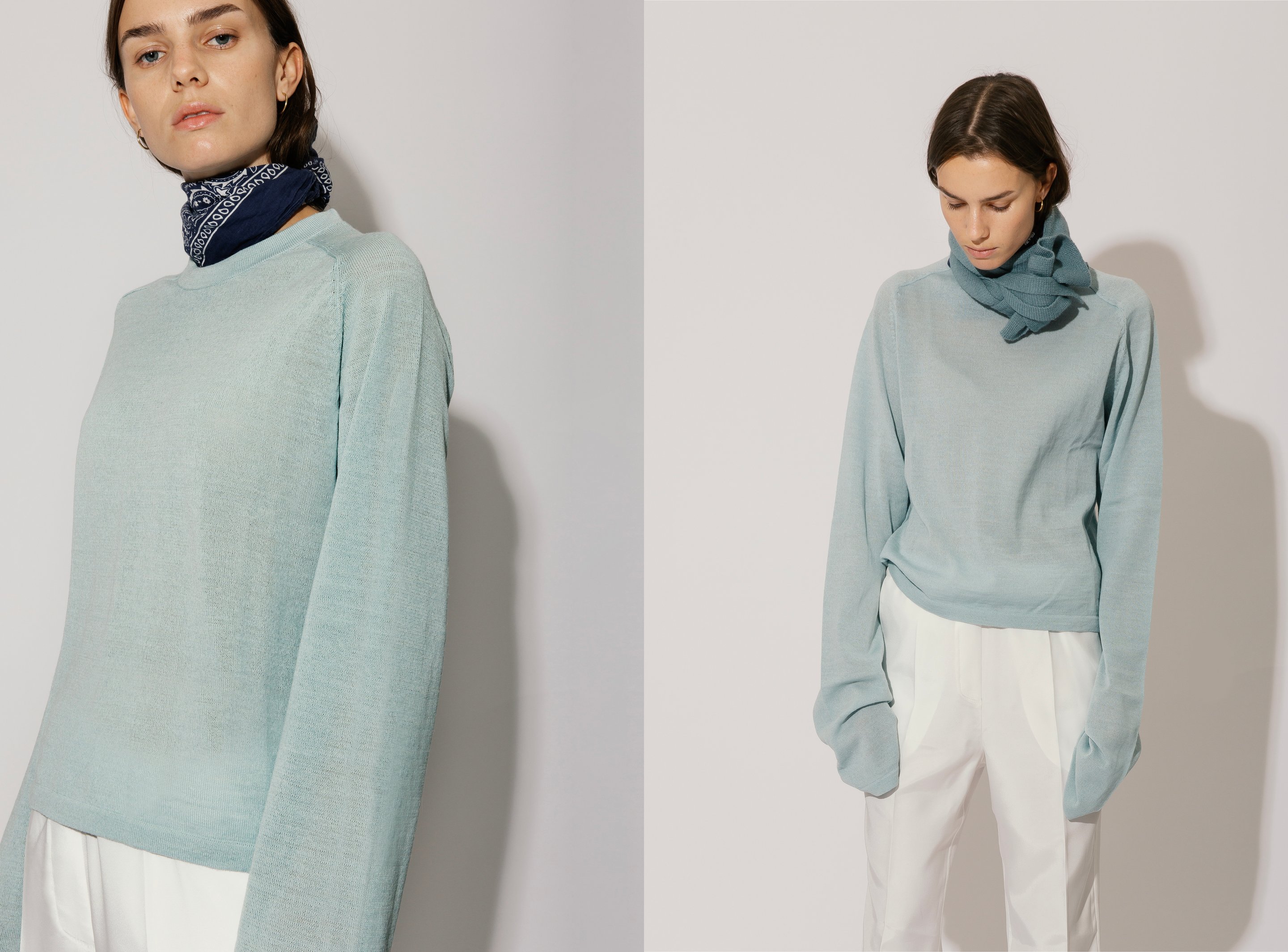 IN THE PHOTO: LONGSLEEVED UNISEX TEE, 100% ALPACA WOOL. PHOTO CREDITS: CARCEL
All of Carcel’s production occurs in a women’s prison in Cusco, Peru where the women are recruited freely depending on skills and motivation. Each woman is payed a base wage and has the opportunity to gain benefits on top of this if they prove to be capable and responsible employees. Carcel’s production manager, Surya Miranda, visits the prison every day to manage the workshop and help the women learn new skills that will allow them to support themselves when they leave prison. Carcel is currently developing a country-specific scheme as they expand to ensure that every employee receives at minimum the local living wage of that country, as recommended by the International Labour Organisation (ILO).
The women Carcel work with are often young, poor, single mothers with inadequate education and income. Being incarcerated for years without the opportunity to earn money, these women are pushed even further into poverty and leave prison without any viable financial alternatives other than returning to crime.
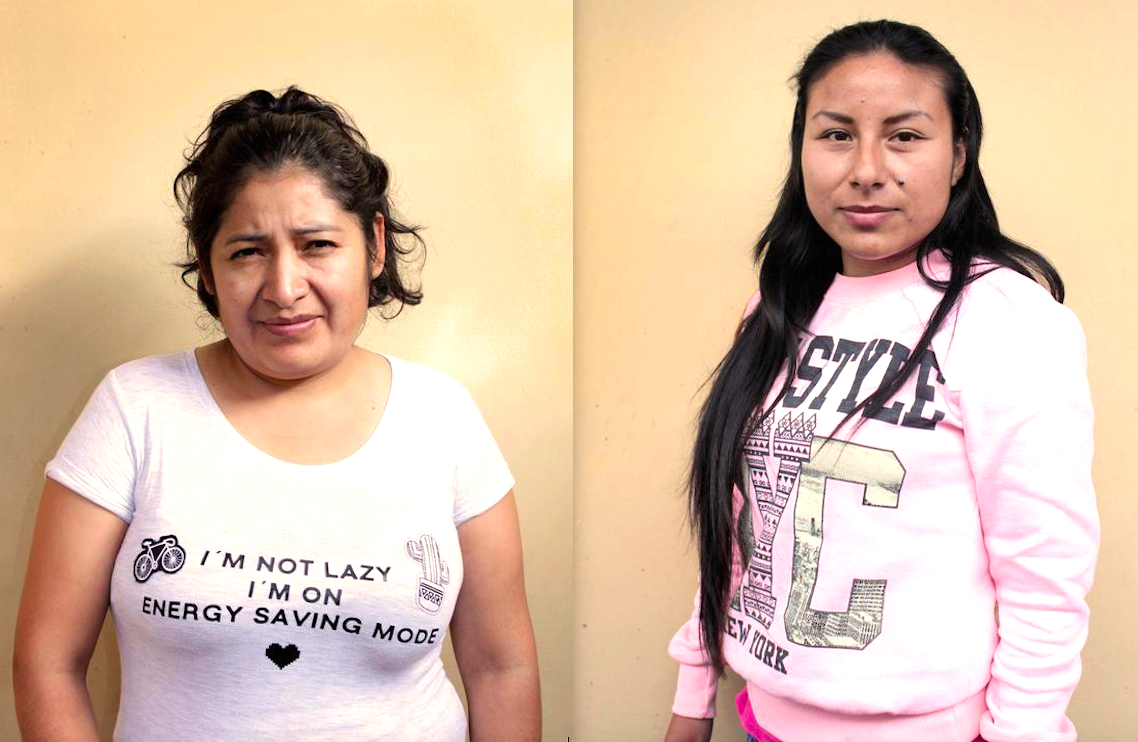 IN THE PHOTO: EDITH AND ROCIO., EMPLOYEES OF CARCEL AND INMATES IN CUSCO, PERU. PHOTO CREDITS: CARCEL
Edith is a shy and kind soul, and like many others confined in the women’s prison in Cusco, her story in heartbreaking. Edith was living in Lima, selling auto mechanic spare parts, when she fell in love with a younger man. He was living in Cusco and told her to get a lift from his friend to meet him. However, the car was stopped by police on the way, revealing that the inside of the car’s upholstery was filled with cocaine. None of Edith’s family can afford the trip to visit her in prison and she works tirelessly to save money to buy medicine for her mother.
Nicknamed ‘la major trabajadora‘ – the best worker – Rocio, another inmate and Carcel employee, is bright and very talented. She moved to Cusco after high school to start work in a fashion store but like Edith, she too fell in love with the wrong man. He asked her to drive some girls to his store in Cusco for work, but they were stopped by police control. Rocio says that she did not know that these girls were working as prostitutes but she was arrested for human trafficking and is now serving time. She never heard from her boyfriend again and like Edith, her family lives too far away to visit so the opportunity to work means a great deal to her. She is saving for a new beginning, with hopes of studying tourism and moving to Brazil with her father one day.
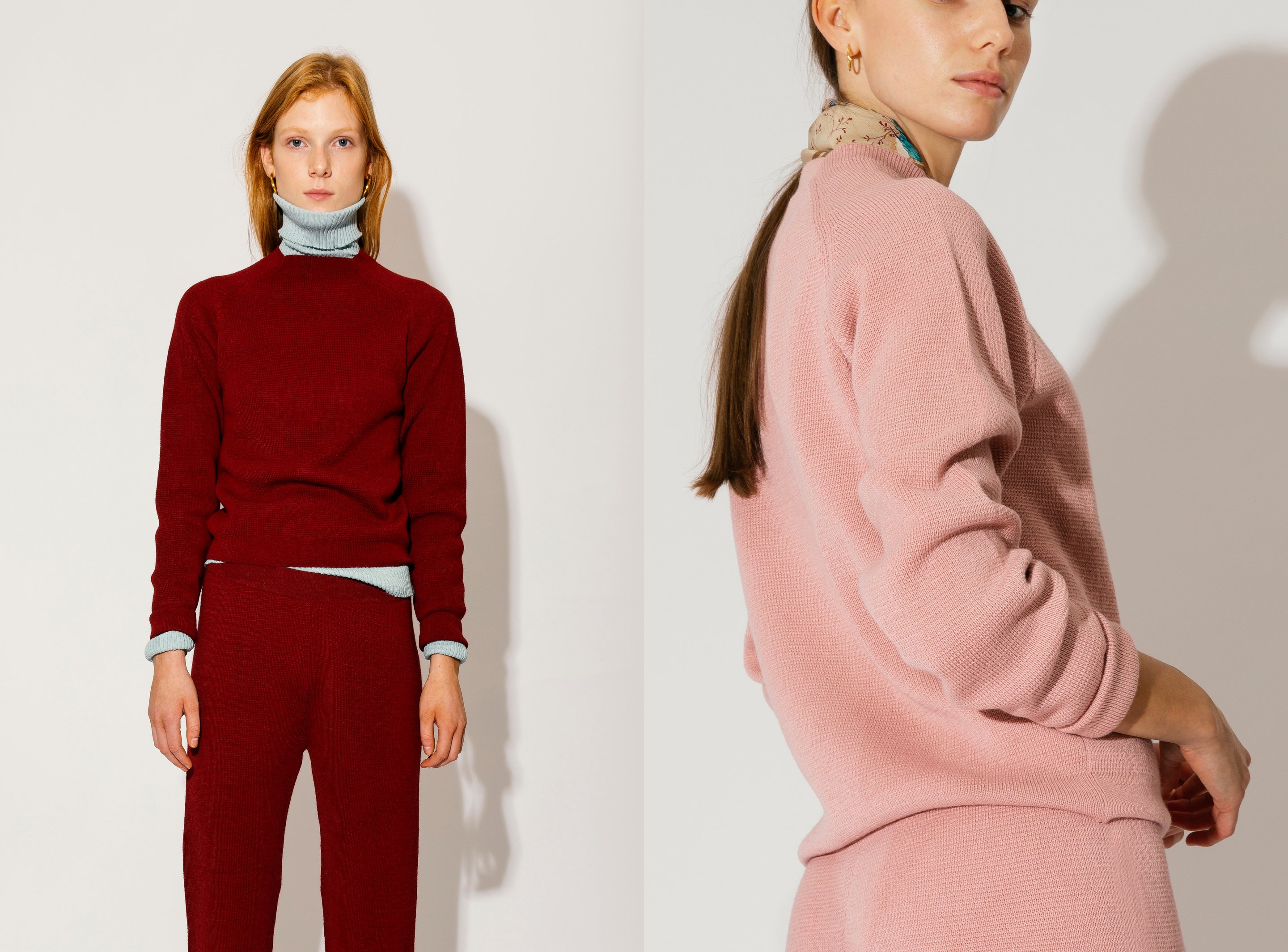 IN THE PHOTO: CLASSIC MILANO JUMPER, MADE BY ROCIO AND EDITH IN PRISON. PHOTO CREDITS: CARCEL
Strong advocates for slow fashion, Carcel believes that there is no reason to compromise with regards to their designs, the planet or people. A brand that cares, Carcel has helped countless women affected by poverty related crime. With newly acquired skills and a stable income, women like Edith and Rocio can support themselves when they are released. They will be able to afford to send their children to school and have a crime-free future, finally ending the cycle of poverty.
By Signe, WORON and Carcel exemplify the minimalist Danish approach towards fashion. Less is more and fast doesn’t always mean better. These talented Danish designers are empowering women all over the world to think – about themselves, their planet and their role as producers and consumers of fashion, forging a more sustainable future.