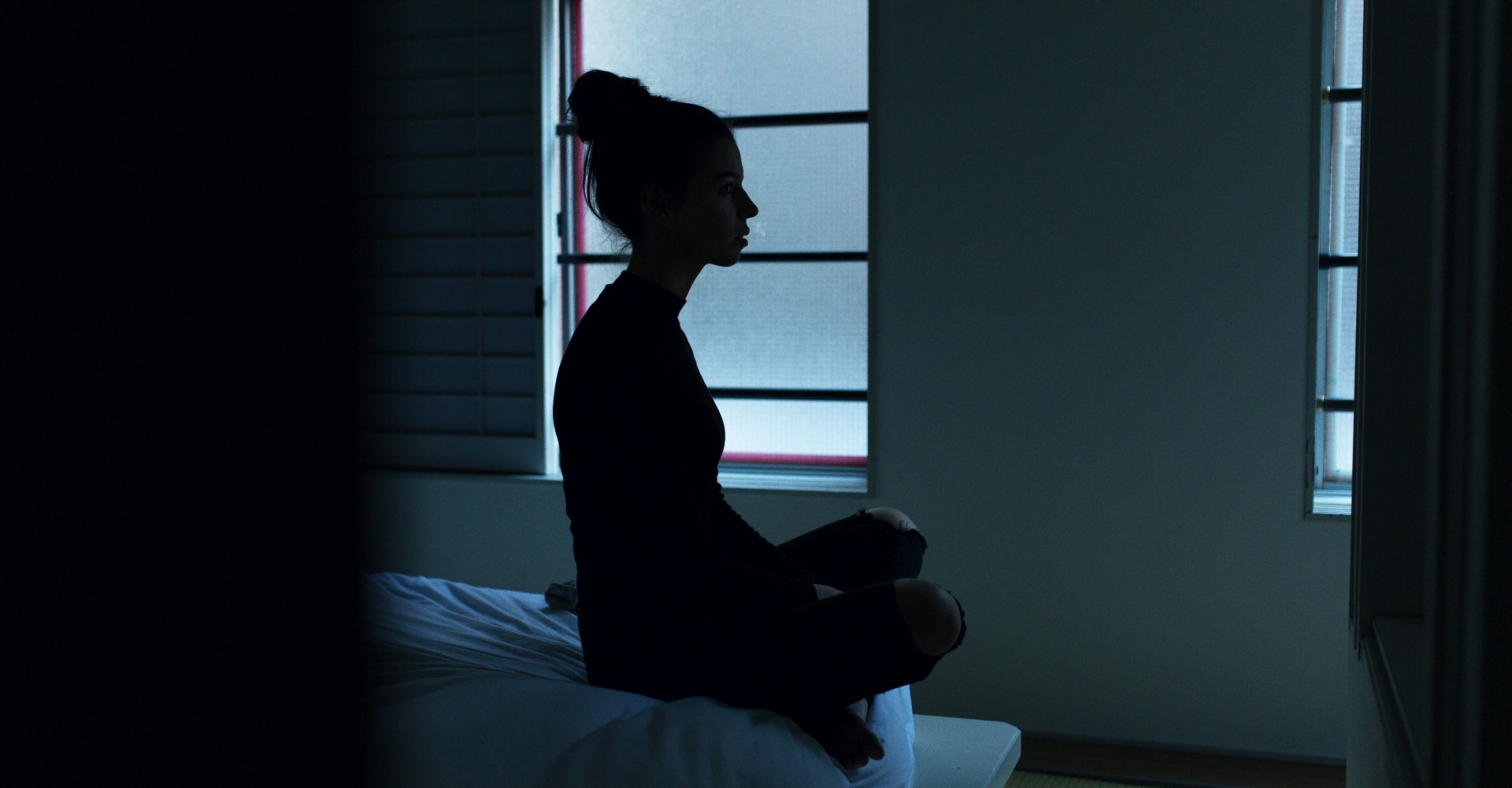
Sleeping accounts for one-third of our lives yet often slips through the cracks of our fast-paced modern lives.
In the past, sleep issues have been regarded as an outcome of mental health issues but research also shows that sleep issues may play a role in triggering new mental health issues.
The relationship between sleep and mental health is complex. It’s a dynamic interplay where sleep issues not only stem from mental health conditions but can also sow the seeds for new challenges and perpetuate existing ones.
While we are asleep, our brain remains active and we go through four stages of sleep characterised by different brain waves with two main phases — non-rapid eye movement (NREM) sleep and rapid eye movement (REM) sleep.
The NREM sleep phase is further separated into three stages: Stage 1 occurs in the first few minutes after dozing off when the mind is still partially alert. Stage 2 is in between light and deep sleep; Stage 3, also known as slow-wave sleep, is the deepest stage of sleep. The REM sleep stage concludes the final sleep cycle. Every stage is accountable for its unique role in preserving brain function.
A study using neuroimaging has shown that during REM sleep, brain areas associated with emotion see notable spikes in activity. Sleep disorders or sleep deprivation can make it difficult to get enough REM sleep, which can interfere with the brain’s ability to process emotions.
Sleep problems therefore have the potential to endanger a person’s emotional and mental wellbeing. Behavioural changes, tension, and irritability are typical results.
In the worst-case scenario, it can cause a mental disorder to develop or worsen. Individuals with diagnoses of anxiety, depression, schizophrenia, bipolar disorder, post-traumatic stress disorder (PTSD), and attention-deficit/hyperactivity disorder (ADHD) sometimes report difficulties with their sleep. For adults with ADHD, sleep problems can link closely to issues with focus, emotions, and executive function. It is important not to overreact to one restless night. Noticing these related patterns can help people make better decisions. It can also help them find more balanced support. Alongside consistent sleep hygiene and professional guidance, some adults explore evidence-based options such as adult ADHD supplements as part of a broader strategy to support cognitive performance and overall wellbeing.
Our body performs amazing feats, one of which is its regular rhythmic functioning. Our heart rate and menstrual cycle, as well as our sleep-wake cycle, are rhythmic systems. The circadian rhythm — our body’s internal clock, is closely connected to sleep as it governs the body’s sleep-wake cycle.
According to recent studies, mental health issues and the circadian rhythm are mutually interrelated. Disruptions to the circadian rhythm may interfere with the clock-regulated responses such as melatonin secretion, responsible for the sleep-wake cycle, and cortisol secretion, responsible for regulating the body’s stress response, and this disruption may lead to mental health issues.
In other words, sleep disturbances will disrupt the body’s circadian rhythm and lead to detrimental effects on mental health. People with mood disorders such as bipolar disorder, and depression have a more sensitive body clock, making them more susceptible to relapsing when their circadian rhythm and sleep are disrupted.
The 24-hour cycle known as the circadian rhythm regulates many bodily functions aside from sleep such as hormone release and appetite. The light and dark are the most important environmental cues that control the rhythm. Our circadian rhythm aligns with the day-night cycle. A circadian rhythm that is in balance may encourage restorative sleep. Stabilising the circadian rhythm is essential for enhancing the physical and emotional well-being of those who have sleep difficulties.
Related Articles: Sleep deprivation: How Many Hours is Too Little For First-Year Doctors? | Penguins Take Over 10,000 Naps a Day, Study Finds | Living your Best Life: Six Apps for a Healthier Lifestyle
Every person’s existence is contingent upon the regulation of their circadian rhythm, which is impacted by a range of universal occurrences related to environmental factors (light, day and night duration, and seasons) and lifestyle choices (alcohol and caffeine intake, shift work, taking long naps during daytime, and unstable sleep schedule).
The social and physical environmental states whereby night-time light exposure and nightlife especially in urban areas may also contribute to this issue. These changes cause disruptions to the circadian rhythm, which increases the likelihood of mental health problems and jeopardises sleep quality.
While some factors that may cause sleep disturbances are not exactly avoidable, such as medical conditions like chronic pain, neurological conditions, heart disease, medication side effects, and mental disorders, sleep is still a targetable area for intervention.
One may opt for the prescription of sleeping pills or psychotherapy. While sleeping pills are effective for short-term treatment, cognitive behavioural therapy for insomnia (CBT-i), is often recommended as a first line of treatment by addressing the root causes of sleep disturbance.
The body’s regular sleep cycle is restored with (CBT-i), which encourages a learning process. The individual adopts lifestyle habits that support the body’s natural circadian rhythm and gains knowledge about how to reduce the conditioned arousal that fuels insomnia.
Technology has ignited a paradigm shift including within the healthcare sector, allowing modern technology to be incorporated into therapy. A new wave of therapy, digital cognitive behavioural therapy for insomnia, includes the same components as CBT-i but is delivered through digital platforms such as websites or phone apps.
Smartwatches such as Apple Watch and Fitbit can also track their sleep patterns, and the data can be used to provide insight into one’s sleep pattern. Nevertheless, users should be aware that the data from such devices may not be accurate and valid.
Experts in sleep medicine are increasingly concerned that using wearable sleep trackers to monitor our sleep quality might result in less restful sleep causing, “orthosomnia,” an obsessive fixation with getting the ideal sleep.
The best course of action would be to maintain good sleep hygiene or, for those experiencing severe sleep problems, to consult a specialist. After all, it’s not only about the quantity of sleep but also the quality of sleep that steers the direction towards restorative sleep.
** **
This article was originally published by 360info™.
Editor’s Note: The opinions expressed here by the authors are their own, not those of Impakter.com — Featured Photo Credit: Ben Blennerhassett.