For car buyers looking to save money or find their dream car at a lower price, buying damaged cars for sale is often an overlooked yet highly effective option. Whether you’re a mechanic, an enthusiast, or just someone looking for a bargain, a damaged car can present an opportunity to acquire a vehicle at a fraction of its usual price.
In this blog, we’ll dive into why buying damaged cars for sale might just be the best deal you can find. From financial benefits to the potential for restoration, we’ll cover everything you need to know before taking the plunge into the world of damaged vehicle purchases.
What Are Damaged Cars?
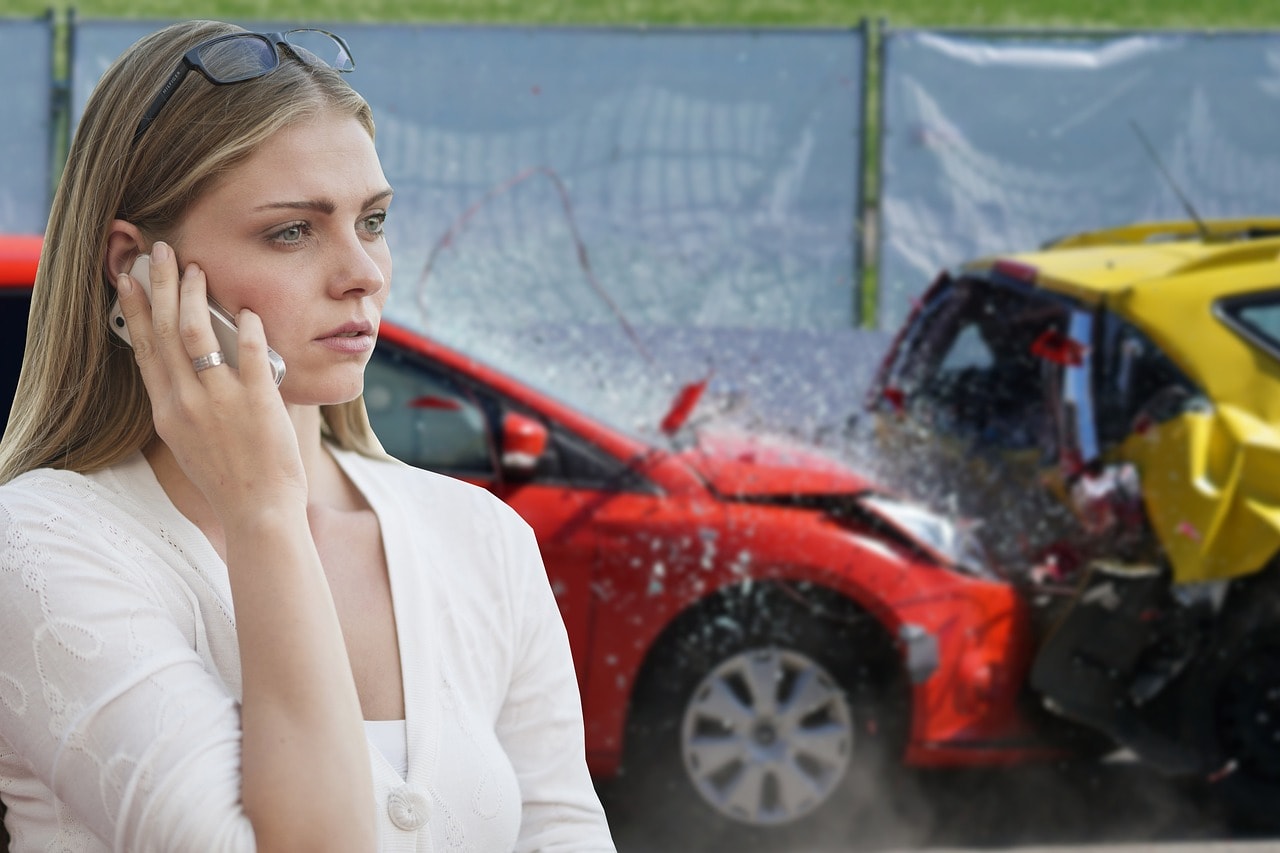
Damaged cars are vehicles that have sustained physical harm, typically from an accident, collision, natural disaster, or other unexpected events. These damages can range from cosmetic issues like scratches and dents to more severe internal damage, including structural harm or engine failure.
Damaged cars are often classified as salvage or total loss vehicles, meaning they have been written off by insurance companies and are sold through salvage auctions or direct sales. Depending on the extent of the damage, some vehicles can be easily repaired and restored, while others may require significant work to become roadworthy again.

Why Consider Buying Damaged Cars?
There are several reasons why buying damaged cars can be a smart choice for certain buyers. Here are the key benefits:
1. Lower Purchase Price
One of the most obvious reasons to buy a damaged car is the significantly lower price tag. Since these cars are often sold as salvage or total loss vehicles, you can find models that would normally be out of your price range, all at a reduced cost.
For example, if a car has been in a minor collision and has superficial damage, the vehicle may still be worth thousands less than its market value. The reduced price can be especially appealing to those looking for a good deal or those planning to repair and flip the vehicle for a profit.
2. A Great Opportunity for Car Enthusiasts and DIYers
For car enthusiasts or anyone who loves working on vehicles, buying a damaged car is the perfect opportunity to flex your mechanical muscles. Whether you enjoy performing your own repairs or want a project to restore a car to its former glory, buying a damaged vehicle allows you to get hands-on with a restoration.
Many DIYers see damaged cars as blank slates for modification, repair, and customization. With the right tools, knowledge, and patience, you can transform a damaged car into something you’re proud to drive or even sell for a profit once it’s fully restored.
3. Potential for a High Return on Investment
If you’re considering buying a damaged car for resale, there’s the potential for significant financial gain. After purchasing a vehicle at a low price, investing in repairs, and restoring it to roadworthy condition, you can resell the car at a much higher value. This can be a lucrative venture, especially if you specialize in specific types of vehicles or high-demand models.
This business model is common among people who buy cars for resale, whether as a full-time business or as a side hustle. If you can repair the damage cost-effectively, the profits from reselling the car could be substantial.
4. Obtain Rare or Classic Vehicles
Another advantage of buying damaged cars is the opportunity to find rare or classic vehicles that may not be readily available on the market. Whether it’s a classic muscle car, a vintage model, or a rare edition of a vehicle, buying a damaged car can be an excellent way to acquire a hard-to-find vehicle that may no longer be in production.
Classic car enthusiasts, for example, often buy damaged cars to restore them to their original specifications. While the vehicle may require significant work, the rarity and value of a classic car can make it a worthwhile investment.
5. Save Money on Insurance
If you buy a damaged car and choose to repair it, you can often save money on insurance compared to purchasing a new or undamaged vehicle. For one, the lower purchase price of a damaged vehicle typically results in a lower overall insurance cost. Additionally, if you’re able to repair the vehicle yourself, you can avoid costly repairs through your insurer.
The Risks of Buying Damaged Cars
While there are clear benefits to buying damaged cars, it’s important to consider the risks before making a purchase. Here are some potential drawbacks:
1. Cost of Repairs
The most obvious risk of buying a damaged car is the cost of repairs. Depending on the severity of the damage, you might end up spending more on repairs than the car is worth. In some cases, a damaged vehicle might have hidden issues that only become apparent after you’ve purchased it. Structural damage, engine trouble, or electrical malfunctions can be costly and time-consuming to fix.
It’s crucial to evaluate the extent of the damage before purchasing. If you’re not experienced in car repairs, hiring a mechanic or taking the car to a professional repair shop might add to the overall cost of the vehicle.
2. Potential Safety Hazards
Damaged cars can present safety hazards if the repairs aren’t done properly. If a vehicle has been in a serious collision or suffered significant structural damage, it may not be as safe as an undamaged car, even after repairs. Always ensure that any critical components, such as airbags, suspension, and steering, are thoroughly inspected before deciding to buy.
Vehicles that have been involved in accidents may also have frame damage, which can affect the car’s alignment and stability on the road. It’s essential to have a qualified mechanic assess the safety of the vehicle before proceeding with a purchase.
3. Difficulty Registering or Insuring the Vehicle
Depending on where you live, it may be difficult to register or insure a damaged car, particularly if it has been written off by the insurance company and has a salvage title. Some states and countries have strict laws regarding the registration of salvage vehicles, and it may require additional inspections or paperwork to make the car roadworthy again.
In terms of insurance, many insurance companies are reluctant to provide full coverage for vehicles with a salvage title or damage history. If you’re unable to find insurance for the car or if the insurance cost is too high, this could make the purchase unwise.
4. Decreased Resale Value
Even if you restore a damaged car to its original condition, the resale value may still be lower than that of a vehicle that has never been damaged. Potential buyers may be wary of purchasing a car with a salvage title or a history of damage, even if the car is in excellent condition.
This could affect your ability to sell the vehicle in the future and reduce the potential profit you can make from flipping it.
How to Buy Damaged Cars for Sale
If you’ve weighed the pros and cons and decided to move forward with buying a damaged car, here’s how to proceed:
1. Research the Vehicle’s History
Before purchasing any damaged car, it’s important to gather as much information as possible about its history. Use the car’s Vehicle Identification Number (VIN) to check for any past accidents, flood damage, or other significant issues. You can obtain this information through services like Carfax or AutoCheck.
2. Assess the Damage
Make sure to thoroughly assess the damage to the vehicle, especially if it’s a used car with multiple previous owners. Take the time to inspect the car yourself or bring in a mechanic who can provide a detailed assessment of the vehicle’s condition.
3. Calculate Repair Costs
Once you’ve identified the extent of the damage, estimate the cost of repairs. Make sure to factor in parts, labor, and time. If the car requires significant repairs or if you don’t have the expertise to fix it yourself, it might be worth reconsidering the purchase.
4. Understand the Legalities
Check local laws and regulations regarding the purchase and registration of damaged cars. In some places, you might need a salvage inspection or certification before the car can be driven legally. Make sure you understand all legal requirements before buying.
5. Consider Resale Value
If you plan on reselling the car, consider the potential resale value once the repairs are complete. Compare the price of a restored vehicle to the market value of similar cars in good condition to ensure you’re making a sound investment.
Conclusion
Buying a damaged car can be an excellent way to save money and secure a vehicle that may otherwise be out of your price range. Whether you’re interested in repairing it for personal use, flipping it for profit, or restoring a classic, there’s potential for great deals if you know what to look for.
However, it’s crucial to carefully consider the extent of the damage, the cost of repairs, and any potential safety issues before making your purchase. If you take the right steps, buying damaged cars can be a rewarding and cost-effective way to acquire a vehicle.
Editor’s Note: The opinions expressed here by the authors are their own, not those of impakter.com — Cover Photo Credit: Tumisu