
Impakter
  • Environment
    • Biodiversity
    • Climate Change
    • Circular Economy
    • Energy
  • FINANCE
    • ESG News
    • Sustainable Finance
    • Business
  • TECH
    • Start-up
    • AI & Machine Learning
    • Green Tech
  • Industry News
    • Entertainment
    • Food and Agriculture
    • Health
    • Politics & Foreign Affairs
    • Philanthropy
    • Science
    • Sport
  • Editorial Series
    • SDGs Series
    • Shape Your Future
    • Sustainable Cities
      • Copenhagen
      • San Francisco
      • Seattle
      • Sydney
  • About us
    • Company
    • Team
    • Global Leaders
    • Partners
    • Write for Impakter
    • Contact Us
    • Privacy Policy
No Result
View All Result
Impakter logo
No Result
View All Result
What happened after COVID-19: Albania

What happened after COVID-19: Albania

UN WomenbyUN Women
November 30, 2020
in Equal Rights, Global Leaders, SDG Series
0


Even before the COVID-19 pandemic hit, 243 million women and girls globally were abused by their intimate partners in the past year. Since the pandemic, with lockdowns measures, countries around the world have seen an alarming rise in reporting on violence against women, especially domestic violence. UN Women is working with women on the front lines who are responding to the shadow pandemic of violence against women and girls every day. “What Happened after COVID-19 hit”, brings you some of their stories, and how their programmes are backing solutions that leave no one behind.
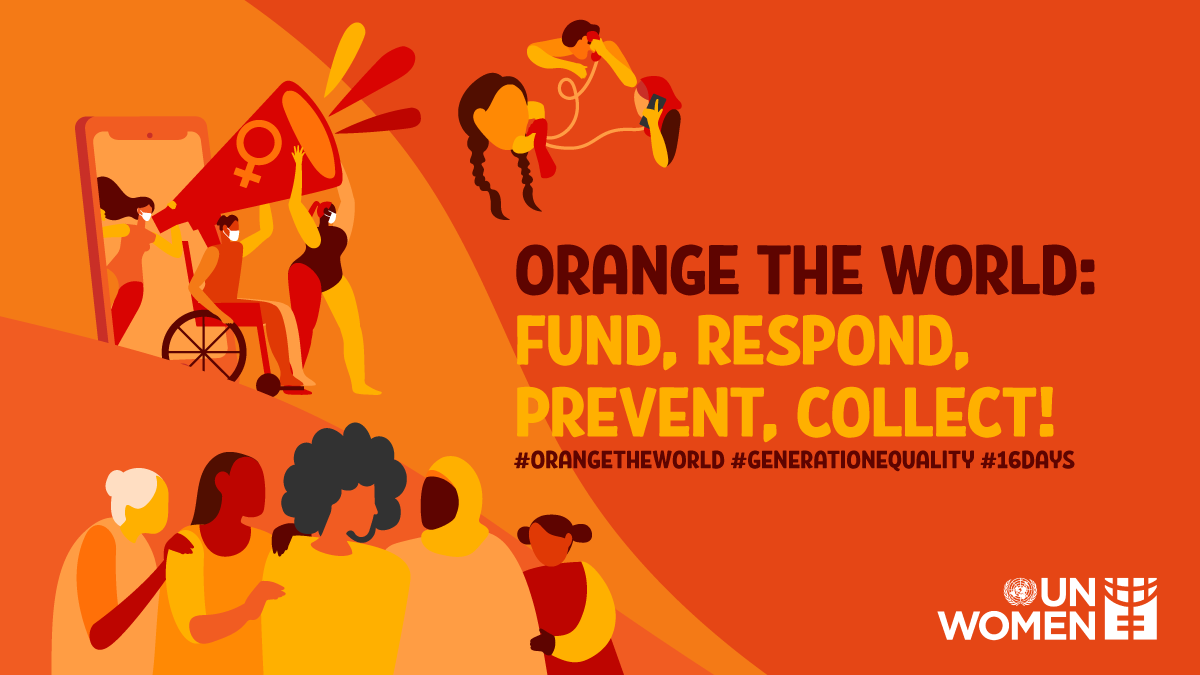
More information about the 16 Days of Activism against Gender-based Violence can be found here.

How six local women’s organizations supported by UN Women and the EU ensured access to justice for survivors of domestic violence

“The situation during the lockdown was the worst. He drank all day at home, became more aggressive and violent. There were days when we had nothing to eat. Sometimes, he gave alcohol to our three sons – the youngest 6 years old and the oldest 11 years old. Once he threw us out of the house and sold our livestock so he could keep drinking.

There were days when I hoped that our lives would end, once and for all.

A few months ago, one of my sons filmed the episodes of violence. I was able to use that as evidence and report my husband to the police. They issued a protection order and immediately put me in contact with the Human Rights in Democracy Center.

The Center assisted me with court proceedings to get a protection order for my children and to receive psychological support and economic assistance. The organization has been with me in every step during these past few months. They have helped me more than any other person in the world, more than my own mother, more than God.”

UN Women responds through programmes on the ground

Jana Kote* and her three children lived with an abusive husband and father for 12 years until they received support from a local organization, Human Rights in Democracy Centre, based in Tirana, the capital of Albania.

During the COVID-19 pandemic, with support from UN Women and others, the Centre maintained contact with survivors of domestic violence and coordinated with local government institutions and authorities, such as the police, the court system and health institutions to prevent the disruption of these essential services that survivors of violence rely on.

Their coordination and support were crucial for women’s safety. For instance, while the courts in Albania stayed open during the lockdown, they issued protection orders in only 36% of the cases when survivors couldn’t appear in court. Organizations like the Human Rights in Democracy Centre accompanied survivors throughout the legal process, ensuring that they could access justice and the services that they needed.

“We were receiving calls from the police at every hour during the lockdown asking to assist survivors of domestic violence. We provided free legal support and representation in court for 128 cases from May to October,” says Gentjana Zeneli, a lawyer working with Human Rights in Democracy Centre in two municipalities located in the outskirts of Tirana. The organization is one of six civil society organizations partnering with UN Women-EU regional programme on Ending Violence against Women.
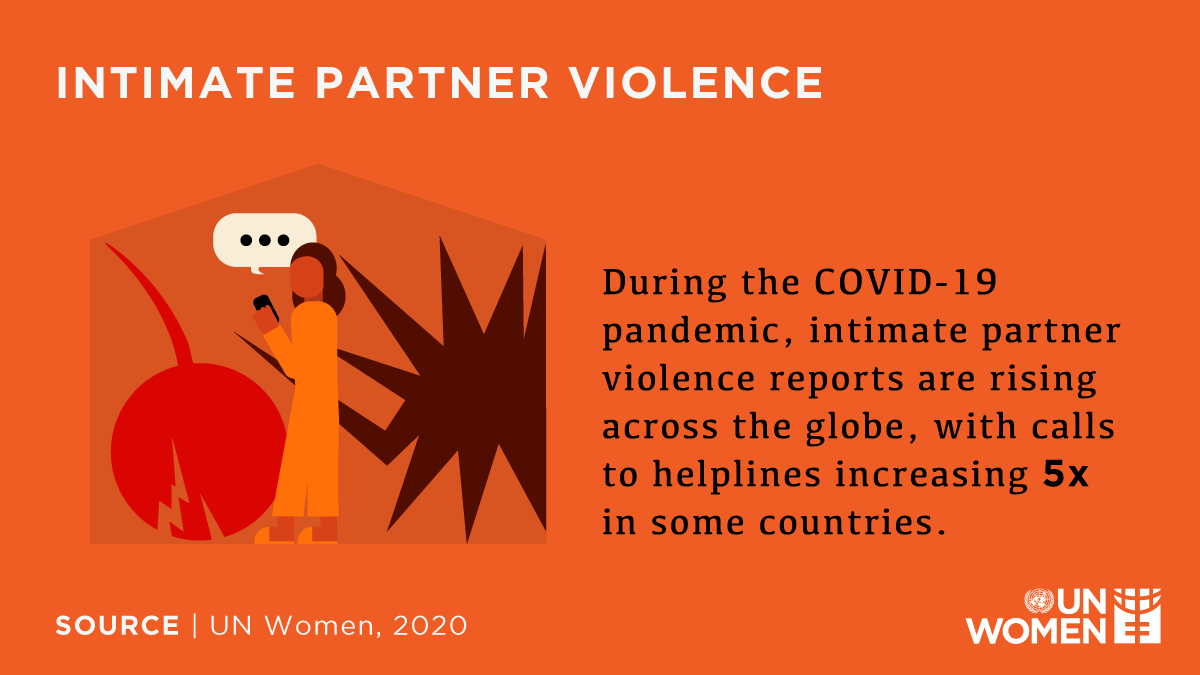
During the lockdown period (March to May), the number of calls to the national counseling hotline tripled compared to the same period a year ago, but the number of domestic violence reports to the police was lower than in 2019. The Centre confirms that the inconsistency was due to the difficulty in accessing justice and support during the lockdown.

“Many victims of violence have no information about their benefits, and they do not ask for protection orders for their children”, shared Gentjana Zeneli. In the past months since COVID-19 hit Albania, the Centre has adapted their services and continued providing training to more than a hundred professionals, including the police, local government officials and health professionals, to better respond to cases of violence against women and girls. Following the training sessions, medical professionals issued special reports that help survivors get protection orders for the first time in the municipalities.

*Name changed to protect the individual


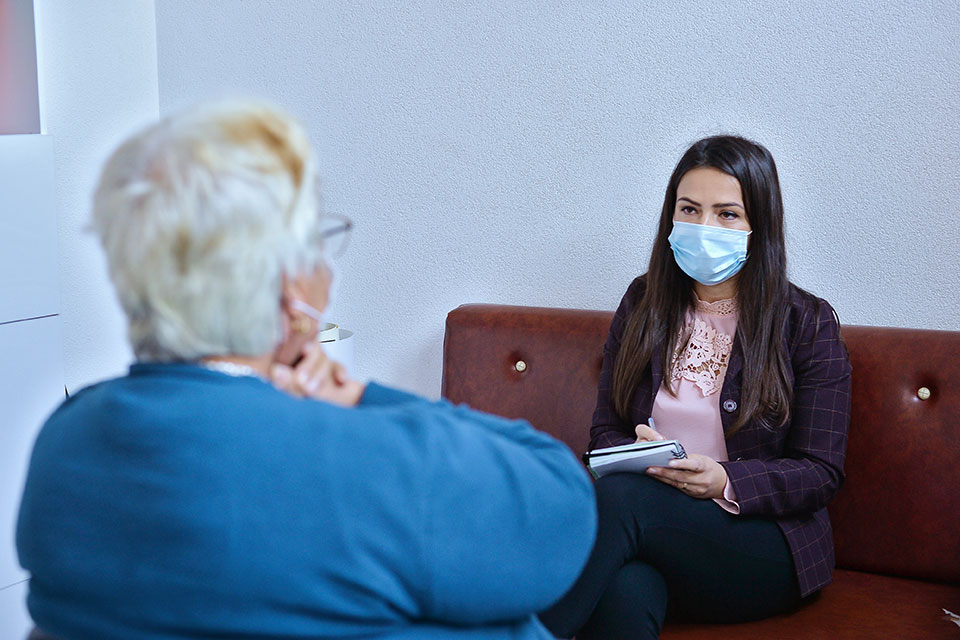
Editor’s Note: The opinions expressed here by Impakter.com columnists are their own, not those of Impakter.com. —In the Featured Photo: Survivor of domestic violence, Jana Kote*, speaks with Gentjana Zeneli, a lawyer working for Human Rights in Democracy Center. Featured Photo Credit: UN Women/Ed Pagria



Tags: AlbaniaCovid19HumanRightsIntimate Partner Violence
Previous Post

What Does Panic Buying Reflect About Our Society?

Next Post

Climate Action Must Progress Far Faster to Achieve 1.5 C Goal

Related Posts

One health US
Environment

One Health Agenda Launched in the US: What Now?

On January 13, 2025, a most welcomed announcement was made: Three major public Federal government institutions in the United States,...

byRichard Seifman - Former World Bank Senior Health Advisor and U.S. Senior Foreign Service Officerand2 others
January 16, 2025
avian flu
Health

Avian Flu Spreads to Humans: Our Next Human Epidemic or Worse?

The Big Picture and the Big Concept, “One Health” Having gone through the COVID pandemic, there is a tendency to...

byRichard Seifman - Former World Bank Senior Health Advisor and U.S. Senior Foreign Service Officer
December 27, 2024
Infectous disease
Health

How Do You Eliminate or Eradicate an Infectious Disease?

The COVID-19 pandemic gave the world a crash course in epidemiology and showed in real time how an infectious disease can spread...

byDr Skye McGregor - Epidemiologist & Senior Research Fellow at the Kirby Institute, UNSWand1 others
February 16, 2024
Education
Education

Transforming Education to Transform the World

“Education is a fundamental human right and the bedrock of societies, economies, and every person’s potential.” This was the message UN Secretary-General...

byInternational Institute for Sustainable Development (IISD)
September 4, 2023
Recession
Society

This Is How We’ll Know if We’re in Recession

There are fears Australia may be headed for a recession. Some analysts say the chances are around 50-50, although the government...

byDr Radhika Lahiri - Senior Lecturer at the School of Economics and Finance at Queensland University of Technology
July 7, 2023
SDGs report
SDG Series

UN Report Calls on Countries to Recommit to SDGs to Tackle Multiple Crises

The UN published a report by the UN Secretary-General, according to which the “high costs” of the COVID-19 pandemic, the...

byInternational Institute for Sustainable Development (IISD)
May 19, 2023
Food insecurity Arab world
Food and Agriculture

UN Report Warns of Accelerating Food Insecurity in the Arab Region Due to Global Crises

Hunger and malnutrition have reached critical levels in the Arab region as access to basic foods has been affected by...

byThe Food and Agriculture Organization of the United Nations (FAO)
March 30, 2023
Malnutrition and learning loss
Education

How the Dual Crisis of Malnutrition and Learning Loss Threatens Our Future

The dual crisis of malnutrition and learning loss is starving the minds of tomorrow. The numbers are staggering: in the...

byMatt Freeman - Executive Director of Stronger Foundations for Nutritionand1 others
March 1, 2023
Next Post
Climate Action Must Progress Far Faster to Achieve 1.5 C Goal

Climate Action Must Progress Far Faster to Achieve 1.5 C Goal

Recent News

Finix Reviews

Finix Reviews: Payment Service Provider Features & More

December 15, 2025
ESG News regarding increased grid stress slowing growth, US demanding exemption from EU emissions law, Google invests in solar in Malaysia, China reduces fossil fuel output

Increased Grid Stress Threatens Economic Growth

December 15, 2025
Advanced Healthcare Data Analytics Solutions

The Transformation of Modern Medicine Through Advanced Healthcare Data Analytics Solutions

December 15, 2025
  • ESG News
  • Sustainable Finance
  • Business

© 2025 Impakter.com owned by Klimado GmbH

No Result
View All Result
  • Environment
    • Biodiversity
    • Climate Change
    • Circular Economy
    • Energy
  • FINANCE
    • ESG News
    • Sustainable Finance
    • Business
  • TECH
    • Start-up
    • AI & Machine Learning
    • Green Tech
  • Industry News
    • Entertainment
    • Food and Agriculture
    • Health
    • Politics & Foreign Affairs
    • Philanthropy
    • Science
    • Sport
  • Editorial Series
    • SDGs Series
    • Shape Your Future
    • Sustainable Cities
      • Copenhagen
      • San Francisco
      • Seattle
      • Sydney
  • About us
    • Company
    • Team
    • Global Leaders
    • Partners
    • Write for Impakter
    • Contact Us
    • Privacy Policy

© 2025 Impakter.com owned by Klimado GmbH