This is Part 2 of the Wetlands International article series. Part 1 on the conservation of the Andean region can be accessed here.
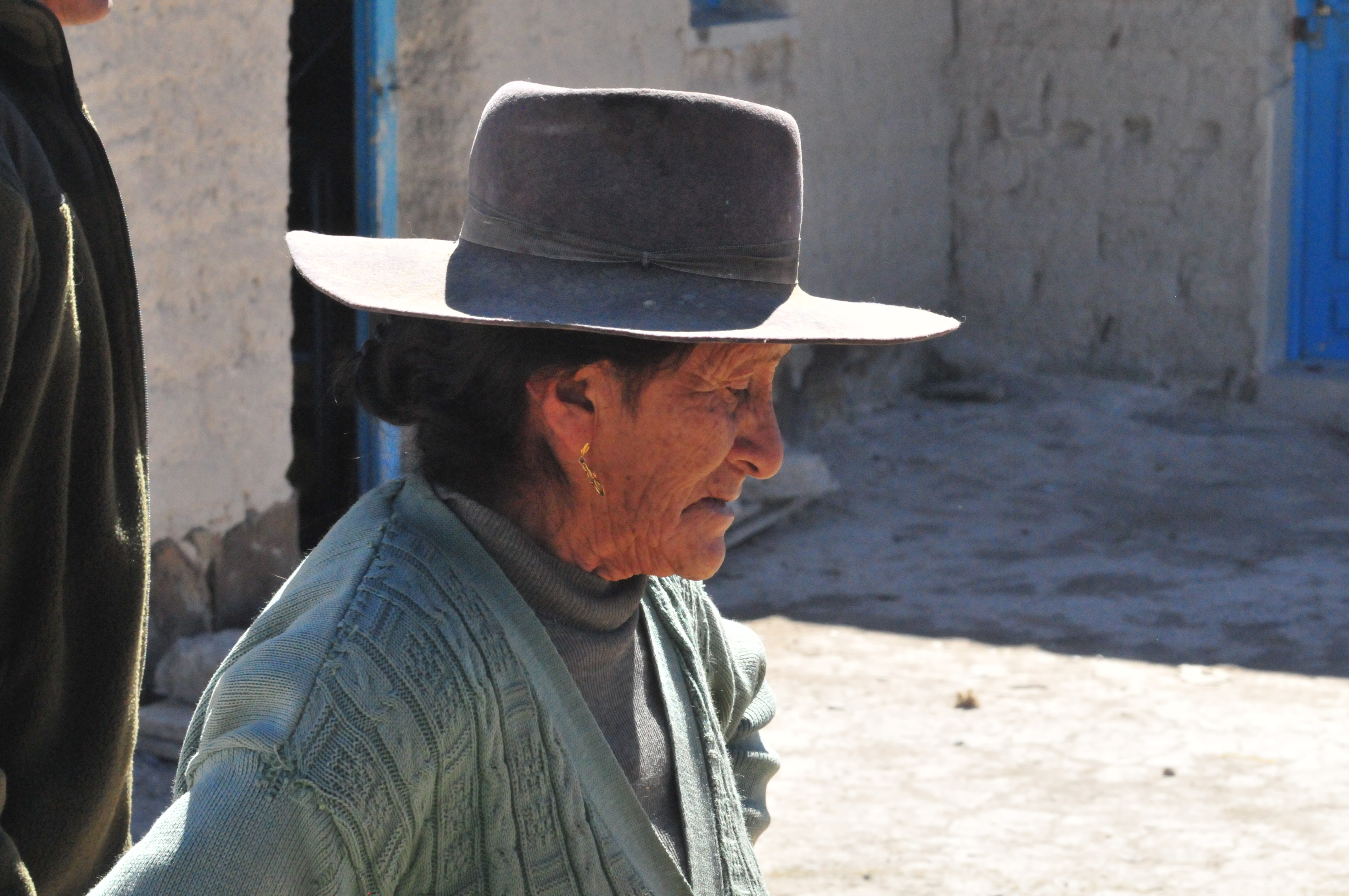
During our visit to dried wetlands, we stopped and spoke to Bonifacia Mamani, an elderly farmer of llamas, who lives on the plain next to the Laguna. She explained that at the moment she was alone. Her husband was sick and away from their home. More tellingly their son had left the region for good. A short distance away, his family’s house lies empty. A lack of opportunities had driven him to try and make a new life in a city. Several discussions we had with local people returned to the same theme. We also spoke to Mr Diego Sumbaino, President of the local indigenous community.

IN THE PHOTO: Mr Diego Sumbaino President of the local indigenous community. PHOTO CREDIT: Wetlands International / Chris Baker
His village is located in hills around the Laguna. Records show that the village existed more than 500 years ago and well before the arrival of the Spanish. He had similar concerns about the growing challenges to local farmers but he was clear that the local communities want to stay. People want to continue in the footsteps of the forefathers, maintain their traditions and culture. Only when the situation becomes impossible do they leave the region. So, why are people contemplating a new start? The answer is simple; people can no longer make a living from grazing around the lake. However, the reasons why are complicated and inter-connected—and there is still more to learn.
Land ownership changes create winners and losers
Traditionally management of the grazing lands around the Laguna has been communal with farmers sharing the grazing and water. This was a sensible approach in such an arid and unpredictable landscape, enabling people to overcome less favourable conditions, share the best grazing areas and spread the impacts of their use more evenly across the landscape. More recently this approach has for the most part been left behind. Access to government incentives to farmers has been tied to formal land ownership. Now the land around the Laguna is divided into fenced parcels owned and managed by individual farmers.
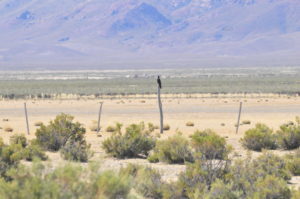
IN THE PHOTO: Fencing is dividing the grazing lands changing access to land and water – Dried Wetlands PHOTO CREDIT: Wetlands International
This has created winners and losers with some farmers losing access to water and inheriting less suitable grazing land than others. It also drives over-grazing and degradation.
Grazing lands are being lost
Grazing on the plains around the Laguna depends on moist soil to support grass growth and on access to drinking water for livestock. A combination of overgrazing, changes in livestock choice and changes to the hydrology of the plains are driving the loss of grazing land. An increasingly commercial approach to production is raising grazing pressure beyond sustainable levels. This is not just related to numbers of livestock, which have increased. It is also about the choice of livestock. Many farmers now prefer sheep to llamas. Sheep graze down to the soil, and their feet are harder, cutting up the grassland and making it more vulnerable to water erosion. This is significant because although rainfall has become less over the last 30 years, when it does fall it is more intense and localised than in the past. Where once the rivers flowed gently over the plain to the Laguna, now they flood quicker and more intensely, cutting deep channels into the bare soil.

IN THE PHOTO: Over-grazed lands become very vulnerable to erosion and gulleying – Dried Wetlands PHOTO CREDIT: Wetlands International / Chris Baker
Drinking water for livestock is now also at a premium. Natural access points are unevenly distributed and the drier conditions and faster drainage means they do not supply as much water as in the past. Some farmers have responded by digging large open pits in the grazing marshes to provide access, further degrading the grazing lands and lowering the water levels.
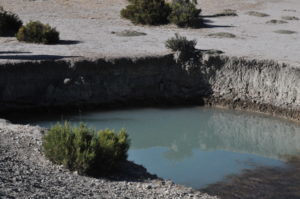
IN THE PHOTO: Farmers are taking new measures to ensure water access for their livestock such as digging large open pits.– Dried Wetlands PHOTO CREDIT: Wetlands International / Chris Baker
Poor mining governance
The growing presence of mining represents a different sort of emerging challenge, one with which we are only beginning to grapple. It is not yet clear if past commercial mining activity has had a significant impact on the Laguna but the warning signs are already there. In the Pan de Azucar area of the basin, there is a silver mine that was abandoned some 27 years ago. A few years ago its tailings lagoon burst during a severe storm releasing heavy metal-laden sediment downstream towards the Laguna. Sadly, with the company no longer operating, there seems to be no-one accountable for this. Furthermore, nobody has taken responsibility to clean this up. The grey polluted sediments lie in the riverbed, year on year washing towards the Laguna. Through water and sediment tests we are trying to establish if contaminants have reached the laguna, but it seems inevitable that without further action, they will. This example suggests poor governance of mining operations. The local communities and local government bodies such as the National Parks Administration (APN) and the National Institution of Technological Agriculture (INTA) are rarely consulted about decisions around concessions and they have little say in how they will be operationalised, including management and decommissioning. With half of the basin area allocated for future mining concessions by Jujuy Provincial government, there is real cause for concern regarding the future health of the Laguna, its biodiversity and people.
We offer a solution by restoring the landscape
The work we are undertaking shows how the impacts of a changing environment and unsustainable use of the basin can be reversed. We are trialing low-tech, affordable solutions which local communities and farmers can replicate with minimal support. We are introducing barriers in the rivers that reverse erosion, backfilling the channels through natural processes and helping rewet the grazing lands. Farmers and biodiversity will benefit from this. We are successfully negotiating with farmers to re-establish a basis for community-based grazing management; communities see the need to return to these systems and appreciate our role in helping that to happen. We are considering less destructive ways to improve livestock water access in the Laguna’s plains. We are researching the impacts of past mining operations on the Laguna as a basis to consider how to remediate the damage done. Throughout this process, we are finding that farmers, local communities and National Park authority are supportive and cooperative. We are already being approached by other communities around the Laguna to replicate our work with them. However, I left with the impression that whilst we can address the changes affecting the Laguna we also need to give more attention to the wider social and economic drivers creating them.
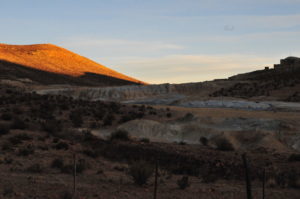
IN THE PHOTO: Contaminated mining waste near the abandoned silver mine in the Pain de Azucar Area.– Dried Wetlands PHOTO CREDIT: Wetlands International / Chris Baker
Struggling local economy
Listening to communities, farmers and our local experts I built the picture that communities are by and large being left to fend for themselves. Understandably the provincial government sees greater returns from mining and is promoting this in its planning. However, I think that in places like Laguna de Pozuelos this undervalues its economic potential, not to mention risking the loss of biodiversity, culture and tradition, and the displacement of people.
Farmers do not appear to receive much support. Market-access is difficult with many taking their livestock and related produce to market by themselves. Here the produce is simply sold on with little value being added. Llama wool and meat are highly desirable commodities and sell for high prices elsewhere. These benefits seem to be secured by middlemen with little or no benefits to the farmers themselves. Better market access, helping farmers to get a more reasonable price and adding value to the produce would all help to improve the position of farmers in the basin. Improving the economic value of farming can help in dialogue around future mining planning and operations. Perhaps most importantly it will restore confidence in local communities that life here has a future and give a viable alternative to the younger generation.
We are at the beginning of our work in Laguna de Pozuelos, and I believe that we need to think about how we can stimulate these sorts of changes in addition to the important restoration and management issues we will continue to support.
And the thing is, this story is not unique. Similar stories can be told across the Puna region that covers parts of Bolivia, Argentina and Peru. Laguna de Pozuelos does not cover large numbers of people but when the region’s wetlands are taken as a whole it implicates hundreds of thousands. We are already working in Lake Junin in Peru where we are experiencing a similar set of issues and have plans to both extend our work in these places and replicate it elsewhere. The region might be remote and challenging, but it deserves the chance to continue to provide the basis for these people and their unique biodiversity and not to be swept away by the winds of change.