

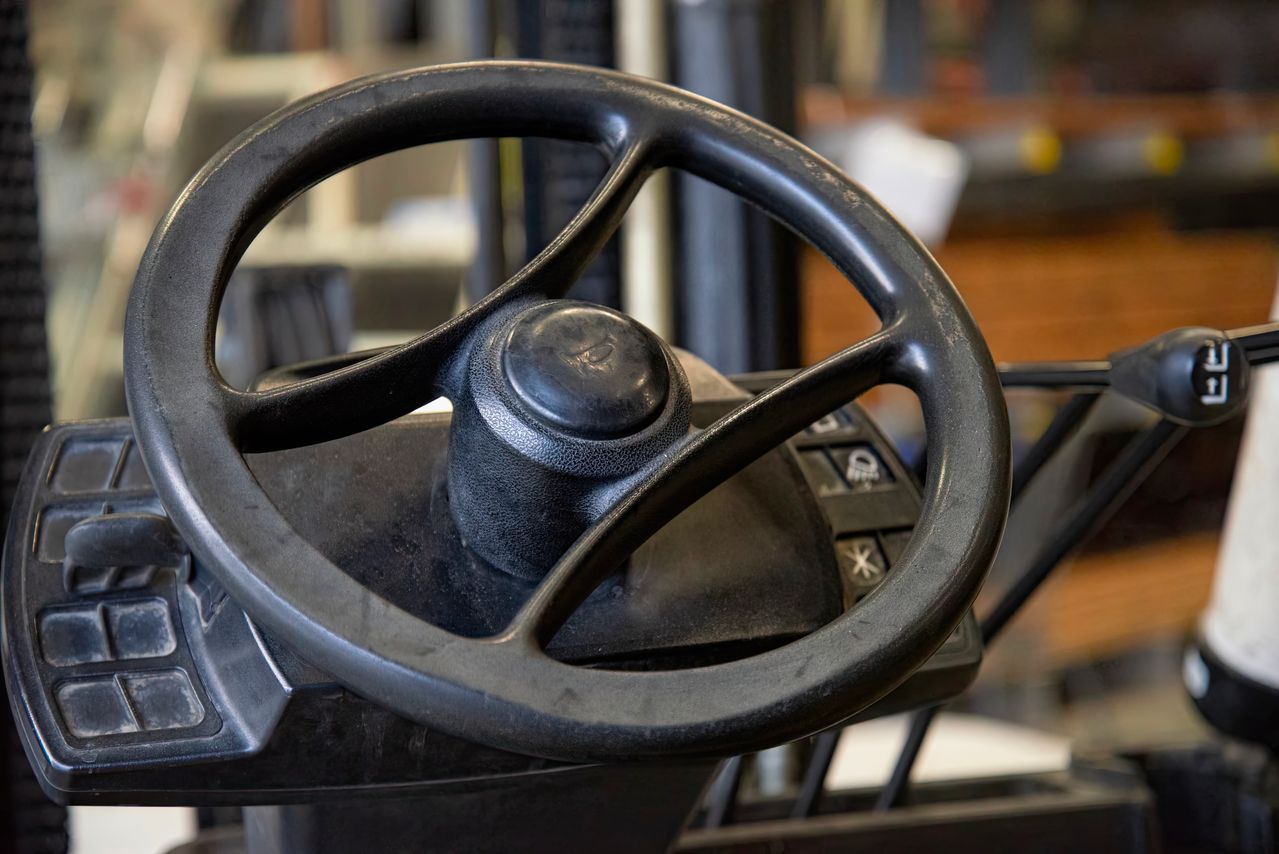
If you work around warehousing, logistics, or distribution, you already know the pressure never really lets up. Orders move faster, labor stays tight, and every missed shift can ripple across delivery schedules. In that environment, equipment downtime becomes more than a maintenance issue. It turns into a business risk. A single stalled forklift can delay putaway, picking, replenishment, and outbound loads in one sweep, which makes parts planning a lot more strategic than many teams treat it.
Brand-specific planning matters more than many managers expect
Not all forklift parts inventories can be managed with a generic shelf strategy. Different manufacturers design around different electrical systems, control layouts, mast assemblies, and load-handling components. If your fleet includes Raymond equipment, guessing your way through part compatibility can burn time you don’t have.
That’s where sourcing the right Raymond Forklift parts becomes a practical maintenance advantage, not just a purchasing task. You’re not simply replacing a failed item. You’re preserving fit, performance, and safe operation on equipment that may be central to daily warehouse flow.
A technician who gets the correct part the first time avoids repeat tear-downs, return processing, and extended truck downtime. In a busy distribution setting, accuracy in parts ordering can be just as valuable as speed.
Downtime rarely starts with a major failure
Most warehouse disruptions don’t begin with a dramatic breakdown. They start with smaller issues that get ignored because the truck still runs. A worn contactor, inconsistent lift response, damaged forks, or a battery connector with visible heat marks can sit in plain sight for weeks.
You might not feel the cost immediately, but the operational drag builds fast. Operators switch trucks mid-shift, supervisors reshuffle routes, and techs spend more time on reactive calls than preventive work. That creates hidden labor costs and lower equipment availability.
In material handling, this is a classic reliability problem. Mean time between failure tends to shrink when minor defects stack up. Once that pattern starts, your maintenance schedule stops being a schedule and becomes a series of interruptions.
Parts delays can be more expensive than the repair itself
A replacement part often looks cheap compared with the actual cost of waiting for it. If a forklift is down for two days because one critical component isn’t available, the repair bill may be the smallest line item in the event.
Think about the real chain reaction. You may need overtime to catch up on pallet moves. Shipping windows can tighten. Other trucks take on extra cycles and wear out faster. If you run a narrow fleet with little redundancy, one unavailable unit can push the whole building into reduced throughput.
This is where procurement discipline matters. When you keep common wear items and model-specific components mapped to your fleet, you cut the lag between diagnosis and repair. In many facilities, that difference is what separates a minor service event from a measurable hit to weekly productivity.
The best maintenance teams build a failure pattern, not just a parts list
A strong parts strategy starts with data, even if your operation isn’t using a full computerized maintenance management system. You need a usable record of what failed, when it failed, on which truck, and under what operating conditions.
Maybe your reach trucks burn through load wheels faster in one aisle because of floor joints. Maybe a specific pallet jack sees repeated switch failures on the night shift. Those patterns tell you what to stock and what to inspect earlier.
This approach turns maintenance from reactive replacement into asset intelligence. You stop asking, “What broke?” and start asking, “What usually breaks next?” That shift matters because warehouse uptime is heavily tied to predictability. Parts planning works best when it follows actual fleet behavior instead of assumptions copied from another building.
Safety and compliance problems often hide inside rushed repairs
When a truck is needed urgently, there’s always pressure to get it moving again. That pressure can lead to temporary fixes, questionable substitutions, or delayed replacement of worn components that still appear usable. Short-term thinking creates long-term exposure.
A forklift with compromised braking response, unstable steering input, or unreliable hydraulics isn’t just inefficient. It’s a safety liability. In a busy warehouse, even a small performance issue can increase the chance of product damage, rack strikes, or operator injury.
You also have to consider inspection readiness. If your operation faces internal audits, insurance reviews, or OSHA scrutiny, maintenance records and repair quality matter. Using the correct components and documenting service history supports a safer fleet. It also shows that your business treats uptime and risk management as connected, not separate concerns.
Smarter stocking does not mean filling a room with expensive inventory
Some managers resist parts planning because they picture shelves loaded with slow-moving inventory. That’s a fair concern, especially when budgets are tight. Smarter stocking is more selective than that.
Start with criticality. Which parts can shut down a truck completely? Which components fail often enough to justify shelf space? Which items have longer lead times or model-specific fitment requirements? Once you answer those questions, your stockroom becomes leaner and more useful.
A practical approach usually includes high-wear parts, electrical components with known failure rates, and items tied to your most heavily used units. You can also classify by downtime severity. If one unavailable part can disrupt an entire picking zone, that part deserves more attention than something cheap but noncritical.
Good inventory planning is not about owning more. It’s about owning the right few things before you need them.
Procurement and maintenance need to work like one function
A common warehouse mistake is treating maintenance and purchasing as separate tracks. Maintenance identifies a problem. Purchasing hunts for a part. Operations waits in the middle. That handoff sounds normal, but it often introduces delays, miscommunication, and avoidable cost.
You get better results when procurement understands the fleet and maintenance understands sourcing realities. Shared vendor lists, approved part categories, and basic truck-by-truck parts references can tighten the entire workflow.
Even a simple internal playbook helps: truck model, serial range, common failure items, preferred suppliers, average lead time, and escalation path. With that in place, you reduce the odds of ordering the wrong component under pressure.
In warehouse operations, speed without accuracy creates rework. Procurement and maintenance perform better when they operate as one reliability system instead of two disconnected departments.
Editor’s Note: The opinions expressed here by the authors are their own, not those of Impakter.comn — In the Cover Photo: Warehouse parts planning can help reduce forklift downtime and repair delays. — Cover Photo Credit: Cold Beer