Immediately after COP27 and only 45 days into the UK’s new government under Rishi Sunak, chaos and controversy over a plan to open a new coal mine in Cumbria has split the conservative-led government. Some ministers are hailing the project as a step forward for jobs and prosperity in a historically disadvantaged region of England; others are calling it an environmental disaster.
What effect will the approval of this coal mining project have on the UK’s own climate targets and, more broadly, its reputation on the world stage as a leader in the climate movement? And what will this do to the legacy of Rishi Sunak’s premiership?
Will localising coal production aid the UK on its path to decarbonisation?
On December 8, the Secretary of State for Levelling Up, Housing and Communities Michael Gove approved West Cumbria Mining’s application to open a new colliery near Whitehaven in Cumbria, a county in North West England.
The project aims to extract coking coal from under the Irish Sea that will be used to manufacture steel in the UK and Europe.
Before the outbreak of the Russo-Ukraine war, the UK sourced nearly half of its metallurgical coal from Russia. Now, those in favour of the project claim that it will allow the UK to reduce its dependency on Russian coal. West Cumbria Mining is relying on a sense of nationalism for its coal to gain ground within the UK’s steel industry, as is clear from their slogan: “Great coal, great steel, Great Britain.”
According to the letter outlining his decision, Secretary of State Gove agrees with the premise that the project will be worthwhile because it will reduce reliance on Russia.
Gove even went so far as to say that the effects of the development on carbon emissions “would be relatively neutral and not significant” and the coal mine would “to some extent, support the transition to a low-carbon future.”
This argument refers to the fact that localising coal production would be expected to reduce the overall carbon emitted during steel production by eliminating the carbon-heavy transportation of the raw materials.
However, the government’s advisory Climate Change Committee (UKCCC) stated in a letter of concern over the project that up to 85% of the coal produced by the Cumbrian mine will likely be exported.
Chris McDonald, Chief Executive of the Materials Processing Institute, the UK’s national centre for steel research, said in the statement that there was little demand in the UK for the coal that would come from the Cumbrian mine:
“There are only two potential customers for this coal in the UK: Tata Steel and British Steel. British Steel have said they cannot use the coal from this mine because the sulphur levels are too high. Tata Steel have said if the coal were available, then they may or may not use a small amount. There isn’t anyone in the steel industry who’s calling for the mine.”
McDonald also pointed out that Tata Steel doesn’t buy Russian coal anyway.
Additionally, these two steel producers, and the world as a whole, are beginning to utilise new technologies for steel production that emit less carbon.
Electric arc furnaces (EAF) do this by using electricity to melt scrap steel, which reduces the quantity of fossil fuels needed for heat production. The production alternative operates by replacing iron with hydrogen, which can reduce emissions by 61% – from 1.8 tonnes of carbon dioxide per tonne of steel to 0.7 tonnes.
At the moment, 41% of European steel is produced via the EAF process, and 10% of all global steel production utilises the hydrogen replacement method.
The other main cause of support for the project rests on the promised jobs for an area of England that historically has been economically disadvantaged.
Cumbrian Coal Mine.
I spoke up today for the next generation of coal miners in Cumbria.
Labour MPs scowled at me.Short memories. pic.twitter.com/oGYo8huIad
— Lee Anderson MP (@LeeAndersonMP_) December 8, 2022
Related Articles: Sunak’s First Week: What’s Happened to the UK’s Environmental Policy? | Can the UK’s New Prime Minister Reverse Truss’ ‘Attack on Nature’ | The Countries Leading the Way on Quitting Coal
West Cumbria Mining, the firm behind the project, promised that the mine would create 500 direct jobs and 1,500 in the wider community, but critics have cast doubt on these numbers.
The Conservative mayor of Copeland, a district in Western Cumbria, Mike Starkie, said in support of the project:
“This is a huge private investment for my area that will significantly contribute towards the levelling up agenda without costing the government a penny.”
How will this decision affect Sunak’s reputation for climate action on the world stage?
The decision over this coal mine had been delayed repeatedly in recent years. The project was initially approved by Cumbria County Council in October 2020, but this approval was suspended in early 2021 ahead of the UK’s COP26 presidency as a result of the UKCCC’s letter of concern, which stated that the project would increase the nation’s emissions.
The letter also mentioned that steel-making shouldn’t use coal after 2035 if the UK wants to meet its climate targets; the local Cumbrian council had originally given the mine permission to dig until 2049.
In order for the UK to reach its goal of reducing its GHG emissions by 78% by 2035, the steel industry, which was responsible for 2.7% of the UK’s total GHG emissions in 2019, must cut its emissions.
The proposed mine is expected to emit 400,000 additional tonnes of carbon dioxide annually. In 2019, the steel industry in the UK was responsible for 12 million tonnes of carbon dioxide.
In 2022, the decision was delayed another three times. This was due at first to the political turmoil during the transition from Johnson’s government to Truss’, and then again from Truss’ to Sunak’s. The position of Levelling Up Secretary of State, who was responsible for the final approval of this application, changed hands three times in four months.
There has been speculation that the last delay, which saw the decision deadline pushed back from 8 November to 8 December, was meant to ensure that the UK wouldn’t receive any unnecessary negative press over Sunak’s environmental policy during COP27, the climate change conference that took place in November.
At a demonstration of local disapproval for the project in Cumbria, one protestor stated:
‘By delaying its approval of the coal mine until after COP27, the UK government has demonstrated its true climate hypocrisy and is sticking two fingers up to the international community that it had claimed to be leading.’
At COP26 in Glasgow last year, the UK led 40 countries in signing a pledge to phase out coal-fired power. Although the coal from the Cumbrian mine would only be used for steel production, the UK’s decision to give the project the green-light has elicited criticism over the UK government’s hypocrisy.
UKCCC chair Lord Deben has called the proposal ‘indefensible’ and warned that its approval would damage the UK’s leadership on climate change by creating ‘another example of Britain saying one thing and doing another.’
Another critic, Tony Bosworth of Friends of the Earth, has cast aspersions on what these delays and the ultimate approval of the project say about Sunak’s priorities regarding the environment as a whole:
“Reintroducing the fracking ban was a good first step, but if Rishi Sunak is to really keep his pledge to make climate change a priority his government must leave coal in the ground. The run-up to next week’s climate summit was an ideal chance for the government to rebuild its battered green credentials by rejecting this damaging and unnecessary coal mine. It’s a shame they didn’t seize the opportunity.”
By reversing Liz Truss’ lifting of the fracking ban, a deeply unpopular move that helped usher in the end of her short premiership, Sunak was clearly chasing the easy political points that could be grabbed up in the early days of his own tenure as PM. Then, he faced backlash for his choice to prioritise domestic issues over a presence at COP (before caving eventually).
Now, his government has made it clear that the environment is not a priority in the short term. Although this move is meant to aid growth and the UK’s general desire to “level up” after Brexit, shortsightedly promising economic growth at the cost of the planet demonstrates an ultimate lack of care for the long-term health of his nation or its political reputation on the international scene.
The national outcry over the multiple hypocrisies of Sunak is growing, but only time will tell which legacy he chooses for himself, his government, and the UK as a whole.
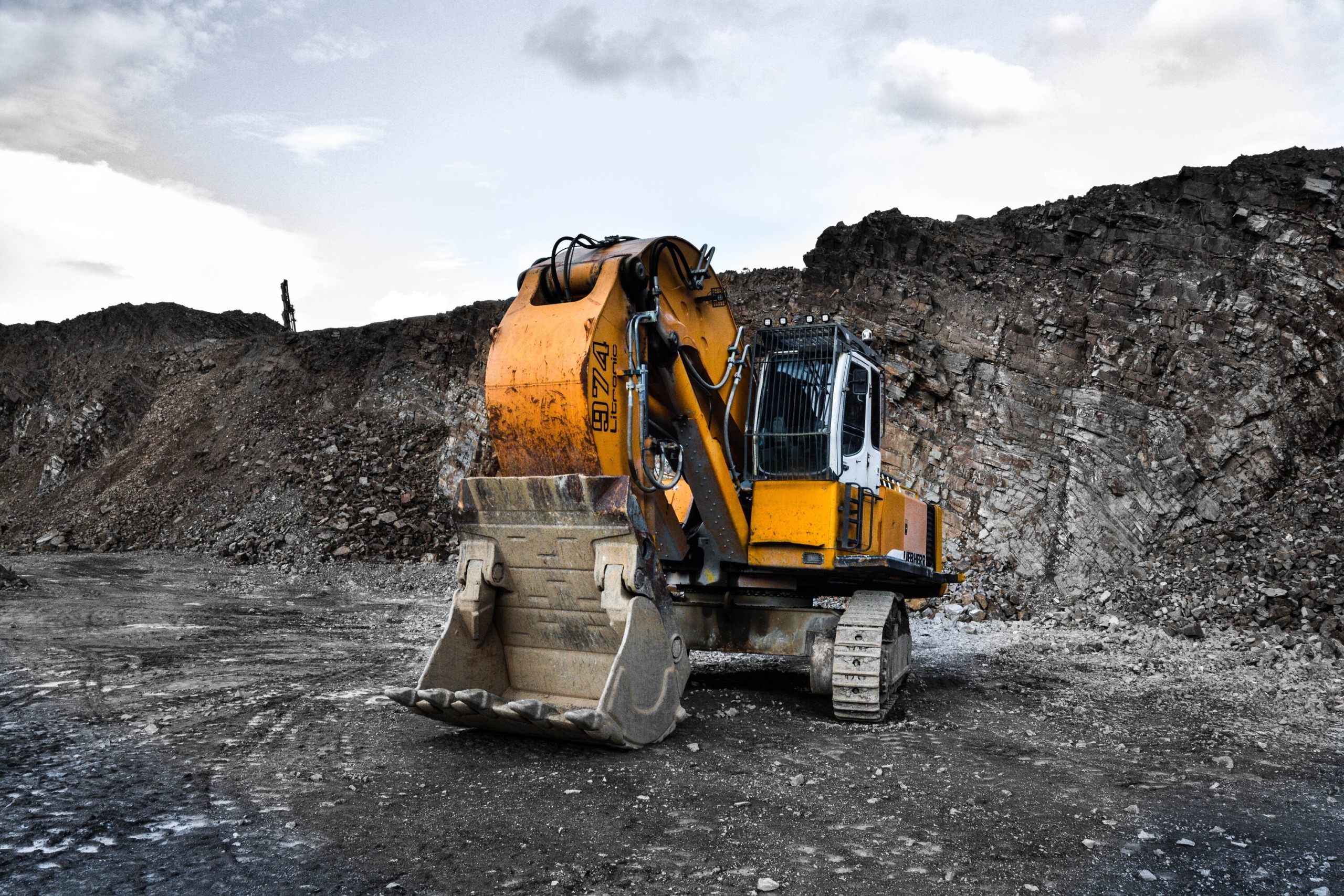
Editor’s Note: The opinions expressed here by the authors are their own, not those of Impakter.com — In the Featured Photo: Machinery in an open-pit coal mine. Featured Photo Credit: Jonny Caspari.