
Since his inauguration on January 20, tariffs have been a recurring feature of US President Donald Trump’s agenda. Trump has wielded them as leverage — pressuring countries to accept US policy demands, purchase American oil and gas, subscribe to US public debt, or rebalance what he deems unfair trade terms.
At times, these measures have had the intended effect; at others, they have backfired, prompting strong reactions and counter-tariffs. On March 4, for example, Canada introduced a 25% tariff on $US30 billion worth of US imports in retaliation. Similarly, between February and March, China imposed tariffs of 10% to 15% on US coal, liquefied natural gas, crude oil, agricultural machinery and goods such as chicken, wheat and corn.
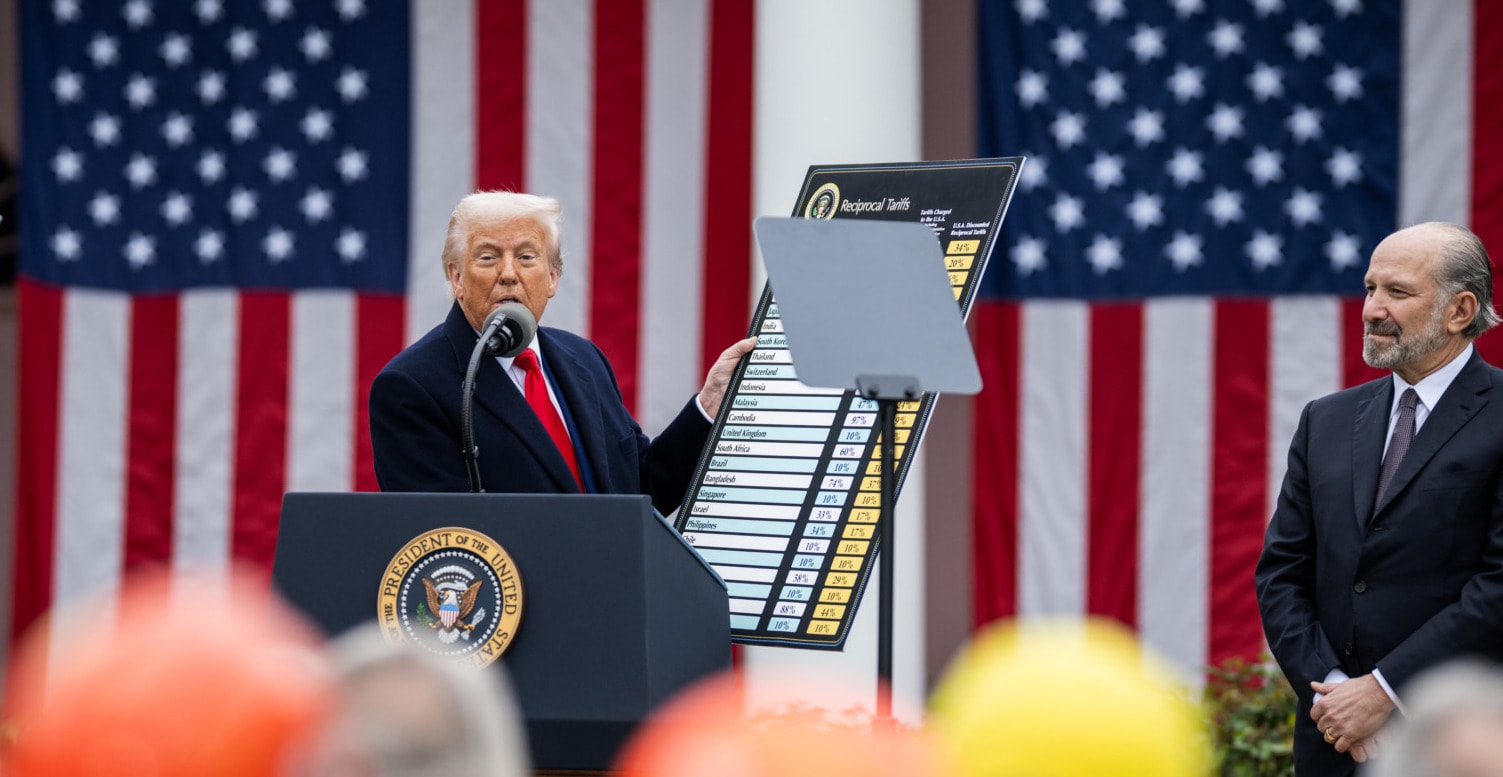
Yet April 3 marked a watershed moment. Trump’s new “reciprocal” tariffs not only shook global stock markets but also threatened the post-war process of market integration. More radically, they challenged the model of globalisation the US had championed since the early 1990s.
Despite its critics, globalisation has proven resilient — even after the 2007–08 financial crisis. Now, however, Washington appears to be abandoning the view of free trade as a positive-sum game, embracing a confrontational approach that barely distinguishes between allies and rivals, using tariffs to divide and pressure its partners.
Uncertain international reactions
How US counterparts will respond to Trump’s latest move remains unclear. While the so-called “Liberation Day” prompted widespread criticism, retaliatory steps have so far been measured.
On April 3, European Commission President Ursula von der Leyen said the EU was finalising countermeasures in response to the earlier 25% levy on steel and preparing further actions to address the new 20% tariffs.
Days later, however, EU Trade Commissioner Maroš Šefčovič suggested a softer stance, stating that the zero-for-zero tariffs proposal made to US Commerce Secretary Howard Lutnick on February 19 was still on offer.
The EU’s position is especially delicate. In addition to its €17.9 billion trade surplus with the US (as of December 2024), the Union remains a political target for Trump, who has criticised Brussels since his first term and excluded it from recent Russia-Ukraine peace talks.
Mutual mistrust and divergent worldviews strain the relationship. A leaked Signal chat, published by The Atlantic in March, illustrated the frayed state of US-EU ties even before “Liberation Day” added new tensions.
Divided response in Europe
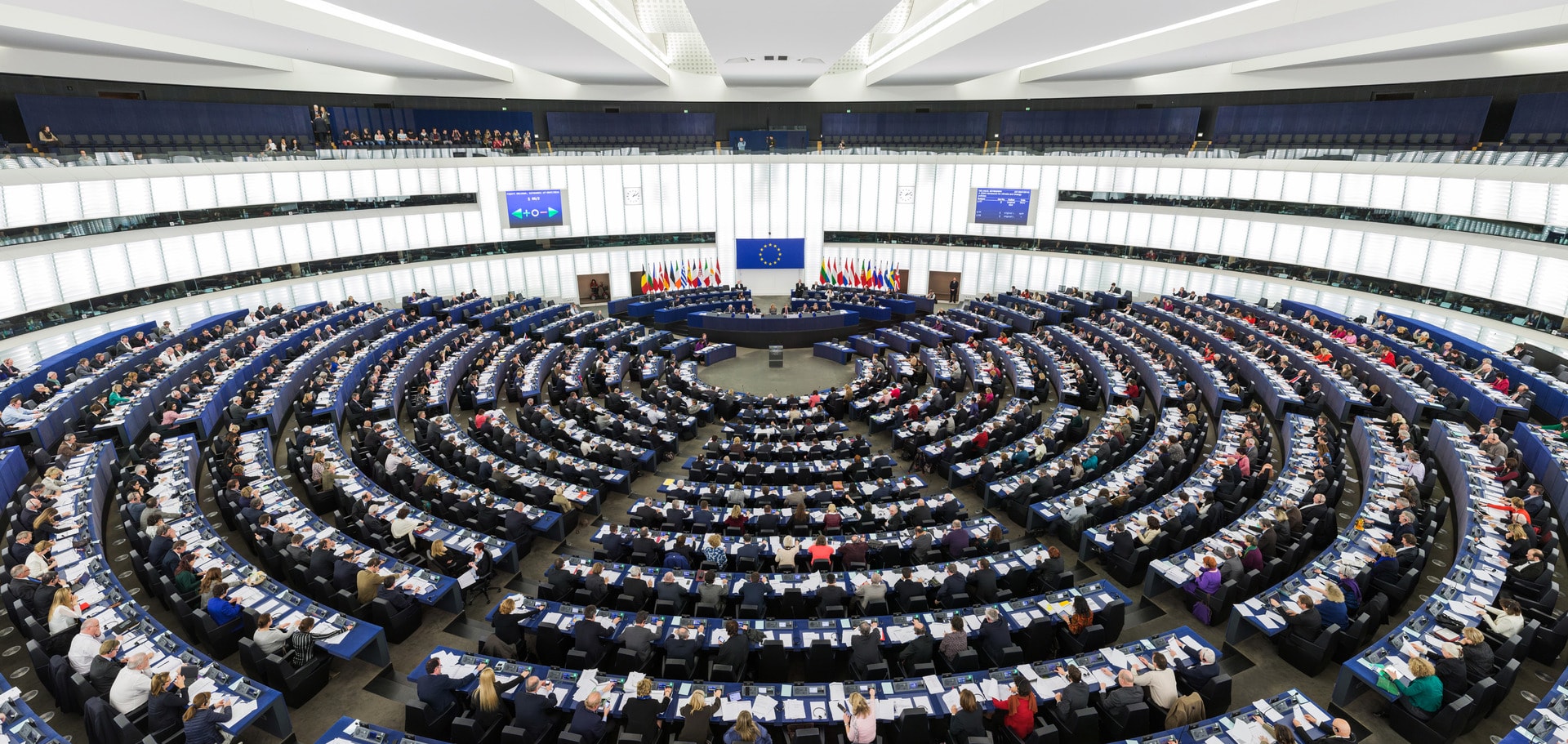
Complicating matters is the EU’s internal diversity. While trade policy falls under Union competence, member states remain divided. Some advocate a tough response; others prefer dialogue.
French President Emmanuel Macron has suggested going beyond tariffs and suspending investments in the US until clarity is restored. Ireland, heavily reliant on US trade, has called for a “considered and measured” approach. Italian Prime Minister Giorgia Meloni called tariffs “an error but not a catastrophe” and said counter-tariffs would be “the wrong decision.”
Sovereignists seize the moment
Sovereignist and Eurosceptic parties have long supported Trump’s protectionist turn and applauded his “America First” style. Following “Liberation Day,” they see opportunity in the EU’s struggle to mount a unified, credible response.
They argue that this fragmentation confirms their narrative of a weak, ineffective Europe. However, these parties risk domestic backlash if Trump’s measures worsen economic conditions or hit the business interests of their constituencies.
A fragile moratorium
Trump’s subsequent decision to implement a 90-day moratorium — temporarily reducing tariffs to a flat 10% for all countries except China — did little to change the overall picture.
Whether a response to market turbulence or part of a deliberate “stick-and-carrot” strategy, as suggested by Treasury Secretary Scott Bessent, the pause reduced tensions but did not remove them.
Meanwhile, a major sell-off of US government bonds signalled waning investor confidence and exposed America’s vulnerability, given the extent of foreign-held debt.
Related Articles: Making Sense of Trade Turbulence | TRUMP’S Trade War: What Is the Right Response? | Tariffs and Toilet Paper: What Happens to the Bottom Line? | Trump Temporarily Eases Tariffs for Most Nations, Escalates China’s to 125% | Trump’s Tariff Diplomacy: Will Europe Dance to the Same Old Tune?
Rising China-US tensions
US-China relations remain a key concern. Washington’s 125% levy on all Chinese goods — on top of an existing 20% tariff — has triggered tit-for-tat retaliation from Beijing. Although Chinese authorities insist they do not seek a trade war, prospects for a peaceful resolution appear dim.
Trump’s need to reassert credibility after softening his position could lead to renewed pressure on China. But Beijing cannot afford to ignore the challenge, given the importance of the US market and weak domestic demand.
Global consequences loom
The risk is a prolonged period of global instability. As the World Trade Organization enlightened, the latest US tariffs and earlier protectionist measures could cut global merchandise trade volumes by around 1% in 2025.
A full-blown trade war with China would be equally disruptive — and unlikely to end in US victory. China is less reliant on the US market than it was between 2018 and 2021, and the country’s current struggles have made it more resilient. Conversely, the US remains deeply dependent on Chinese supply chains, even when goods come indirectly via third countries.
A tentative opening
Trump’s decision to exempt smartphones, computers and other electronics from the new tariffs — including the 145% levy on Chinese goods — may signal an olive branch to Beijing. It could also be an implicit admission of the potential domestic fallout from an all-out economic clash.
Yet the situation remains fluid. Despite financial turmoil, rising geopolitical tensions and falling approval ratings, Trump retains strong backing among his base.
A recent Economist/YouGov poll showed that 66% of his supporters approve of his economic record, and 57% of Republicans support his tariff policy — a figure that climbs to 74% among self-identified MAGA voters.
A risky economic gamble
In this backing, ideology seems to outweigh economic logic. Whether this support holds is an open question. Tariffs are a popular tool for “protecting US jobs,” a message that resonates across the political spectrum. But the risks are high: inflation, rising interest and mortgage rates, and the end of the cheap goods era that Americans have enjoyed for decades.
The Trump administration is betting that import taxes will eventually deliver high-paying manufacturing jobs. It is a high-stakes trade-off — one the President appears eager to pursue, despite the formidable challenges it entails.
** **
This article was originally published by 360info™.