Today’s ESG Updates:
- Coal Plants Get Reprieve on Mercury Limits: Trump’s EPA is rolling back mercury emission limits to cut utility costs and power AI, despite severe public health warnings.
- Striking Unions Fail to Halt Milei’s Labor Bill: Argentina’s lower house passed Milei’s radical, business-friendly labor deregulation despite massive union protests and a nationwide strike.
- Regulator Reviews Swedbank’s Compliance Controls: Following a closed U.S. case, Sweden’s FSA launched a fresh probe into Swedbank’s anti-money laundering and customer background checks.
- France Backs INEOS Decarbonization with €300M: France granted INEOS €300 million to upgrade its Lavera chemical plant, slashing carbon emissions to protect domestic manufacturing.
Coal plants get reprieve on mercury limits
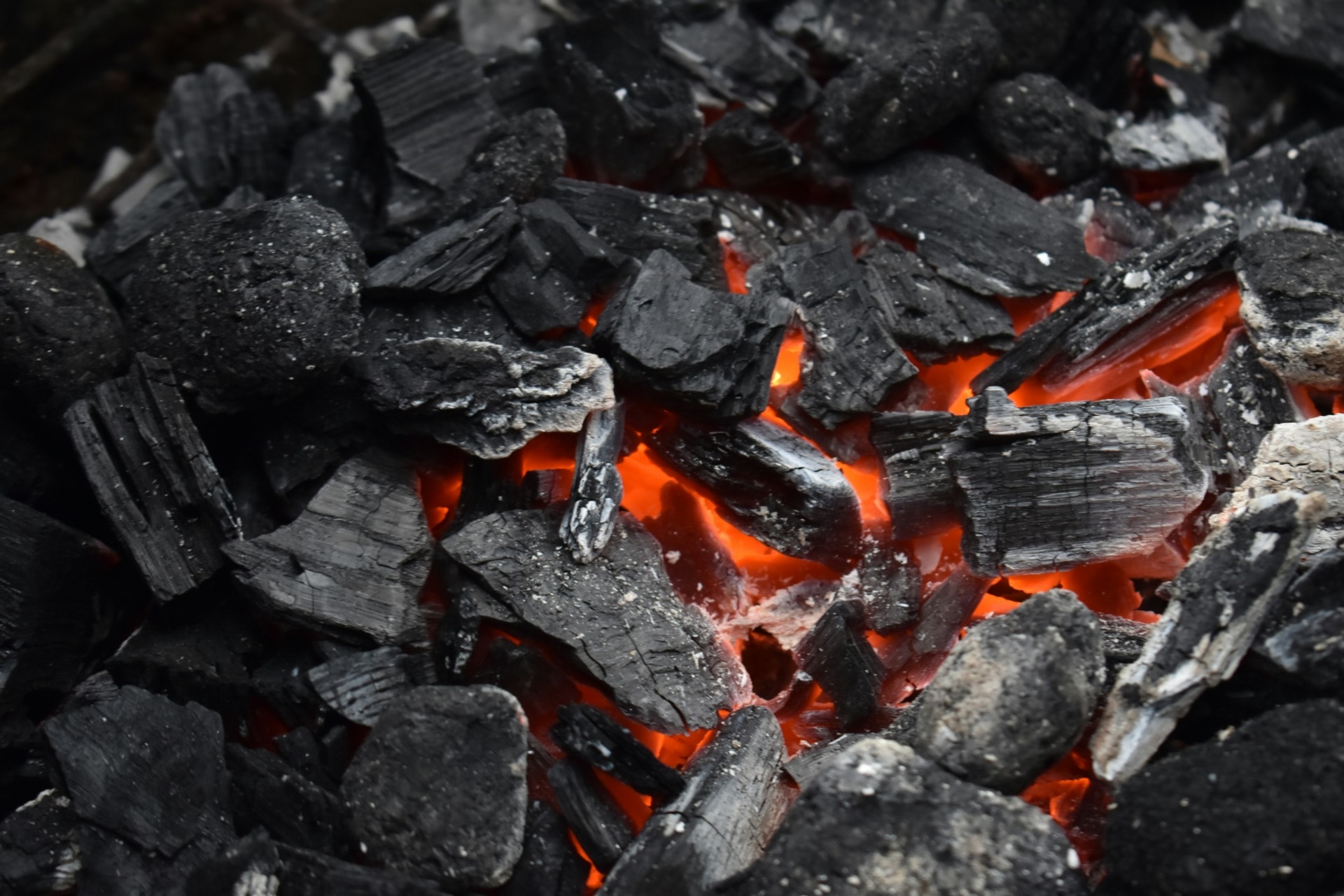
The Trump administration is changing the rules that restricted coal power plants from releasing dangerous chemicals, such as mercury, into the air. According to the administration, this move will save companies money and enable them to produce more electricity to meet the increased demand due to AI. In an effort to support the coal industry, the government has already exempted 68 older coal plants from these pollution regulations.
However, health experts strongly disagree with this plan. They warn that mercury is particularly dangerous for babies and infants, and can cause brain damage. They also claim that having dirtier air will increase medical costs. It feels like a step back to Trump’s first term, when the Trump EPA decided that it was no longer ‘appropriate and necessary’ to enforce these rules on power plants.
***
Further reading: Trump EPA to weaken rule limiting harmful mercury, air toxics from coal plants
Striking unions fail to halt Milei’s sweeping labor bill
Argentinian lawmakers have just voted to pass a significant new labour law supported by President Javier. The government claims that these new rules will stimulate the free market and encourage business growth. However, this is very bad news for workers and unions. They claim that the law removes important workers’ rights, such as the right to strike. In response, unions held a one-day strike, stopping trains, buses and farm exports across the country.
Despite the protests and strike, the lawmakers approved the bill. In order to secure enough votes, they removed one rule that would have reduced workers’ sick pay. The bill will now go to the Senate for a final vote. This is a significant step in Argentina’s transition from capitalism to anarcho-capitalism, which is the most extreme form of capitalism.
***
Further reading: Argentina’s lower house passes labor reform despite strike
Klimado – Navigating climate complexity just got easier. Klimado offers a user-friendly platform for tracking local and global environmental shifts, making it an essential tool for climate-aware individuals and organisations.
Sweden’s regulator reviews Swedbank’s compliance controls

Sweden’s financial regulator is launching a new investigation into Swedbank to check if the bank actually follows anti-money laundering rules. The investigation will review the bank’s customer background checks between December 2023 and November 2025, with the aim of understanding whether they prevented money laundering and terrorist financing.
The Swedish investigation comes after the US Justice Department’s investigation into Swedbank, which found nothing. Following the announcement by the FSA, Swedbank’s stock price fell slightly. The FSA has not confirmed whether they suspect any illegal activity or if this is just a routine compliance check. Swedbank has declined to comment.
***
Further reading: Sweden’s FSA to probe Swedbank compliance with money laundering regulations

France backs INEOS decarbonization with €300M

The French government has awarded INEOS €300 million to modernise and make its vast Lavera petrochemical facility more environmentally friendly. This new funding will enable the plant to reduce its annual carbon emissions by 331,000 tonnes. This is equivalent to taking 70,000 cars off the roads or offsetting the total annual energy use of around 41,700 average homes.
The French government is providing this grant through a national programme intended to reduce the country’s reliance on fossil fuels over the next 15 years. By funding these updates, the funders hope to maintain the competitiveness of the domestic manufacturing industry against international threats.
***
Further readings: France Grants INEOS €300 Million to Decarbonize Chemical Plant
Editor’s Note: The opinions expressed here by the authors are their own, not those of impakter.com — In the Cover Photo: Coal. Cover Photo Credit: Nikolay Kovalenko