Today’s ESG Updates
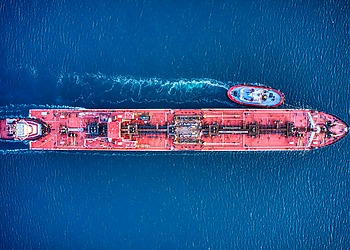
- Trump-Iran Ceasefire Sends Oil Below $100: Oil prices fell after President Trump announced a two-week ceasefire.
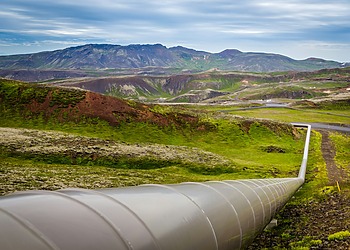
- Turkey Emerges as Regional Battery Storage Leader: 33 GW of battery projects approved since 2022, supporting wind and solar growth despite coal reliance and permit hurdles.
- Panama Approves First Quantum Ore Processing Project: The $250 million plan will process 38 million tons of leftover ore from a closed mine and add 1,000 jobs.
- Experts Warn New North Sea Oil Projects Could Undermine UK Climate Goals: New drilling offers minimal energy security and risks weakening the UK’s net-zero leadership.
Trump-Iran ceasefire sends oil prices below $100 amid Strait of Hormuz reopening
Oil prices crashed below $100 per barrel after President Trump announced a two-week ceasefire with Iran. The deal depends on the reopening of the Strait of Hormuz, which carries 20% of the world’s oil.
Prices dropped immediately: Brent fell 13.8% ($94.25), and WTI fell 15.4% ($95.52). European diesel prices also dropped 17.8%. This ceasefire might allow access to as much as 13 million barrels per day of oil that have been held up. Trump stated that the U.S. got a ten-point proposal from Iran, which he considers a “workable basis” for peace negotiations in Pakistan. But, as MST Marquee analyst Saul Kavonic points out, even if an agreement is struck, oil prices could remain elevated.
***
Further reading: Oil tumbles below $100 after Trump announces two-week ceasefire
Klimado – Navigating climate complexity just got easier. Klimado offers a user-friendly platform for tracking local and global environmental shifts, making it an essential tool for climate-aware individuals and organizations.
Turkey emerges as regional leader in battery storage, approving 33GW since 2022
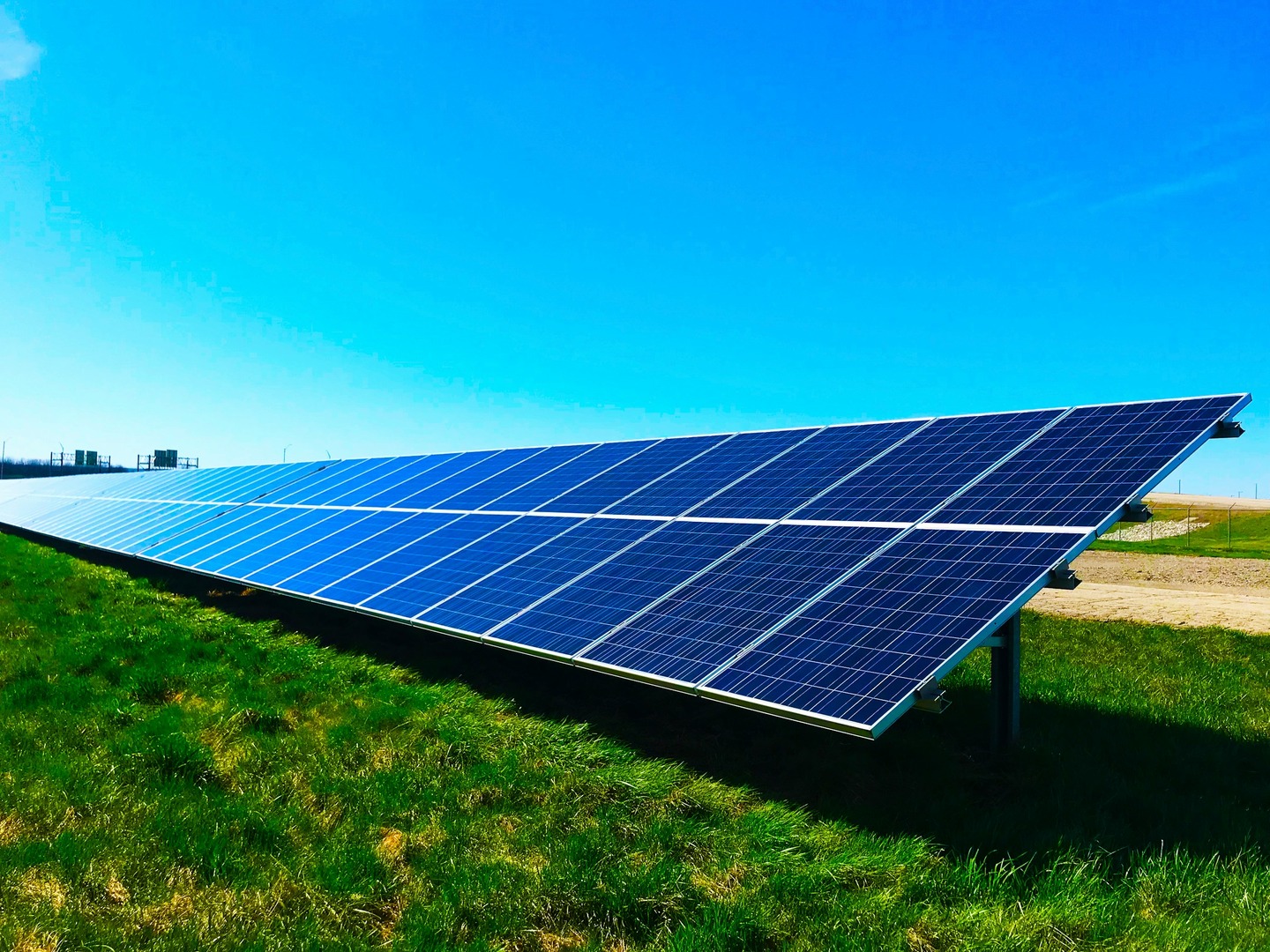
Turkey is becoming a major leader in energy storage, approving 33GW of battery projects since 2022. This is much higher than in European countries like Germany and Italy, which have only 12–13 GW ready or planned. The boom is driven by a rule that prioritizes wind and solar projects with battery storage.
Turkey generates a fifth of its power from wind and solar, but coal still provides 34%. The country aims to reach 120 GW of renewable power by 2035, though it missed its growth target last year. As diplomats prepare for the COP31 climate summit in Turkey, analysts suggest the battery pipeline could become the “backbone of a new, clean regional energy hub.” However, the country still faces “several hurdles” in realizing these projects, including permit bottlenecks and a continued backing of coal through extensive subsidies.
***
Further reading: Turkey to race ahead of EU on battery storage amid fossil fuel crisis
Related Articles
Here is a list of articles selected by our Editorial Board that have gained significant interest from the public:
Panama approves First Quantum Minerals project to process 38m tons of leftover ore

Panama’s government is allowing First Quantum Minerals to process and export 38 million tons of leftover ore from its closed mine. Both the government and the company say this is a “preventive safety action” to stop environmental problems, such as harmful acids leaking into the ground. They emphasized that this move is not a reopening of the mine and will not involve any new drilling or blasting.
The company plans to spend about $250 million on the project and is hiring 1,000 new workers, bringing the total workforce to 3,000. It will take roughly three months to start processing the ore, which contains 70,000 tons of copper.
***
Further reading: Panama authorizes First Quantum to process stockpiled material from shuttered copper mine

Experts warn new North Sea oil projects could undermine UK climate goals

Experts on climate change say that opening new oil and gas fields in the North Sea would hurt the UK’s reputation and put global climate goals at risk. Although the government faces pressure to approve new drilling, research shows that major fields like Rosebank and Jackdaw would only reduce gas imports by 1% to 2%. Since the North Sea is more than 90% depleted, these projects offer little for energy security.
International leaders argue that if the UK continues drilling, developing nations will feel justified in exploiting their own fossil fuels rather than switching to green energy. The UK was the first G7 country to pass net-zero laws, setting a good example for the rest of the world. According to Christiana Figueres, a former executive secretary of the UN Framework Convention on Climate Change and a co-founder of the Global Optimism think tank, the only way to really be energy secure is to build up clean, domestic power rather than sticking with an industry that is going down and putting the planet at risk.
***
Further reading: UK opening new oil and gas fields would imperil global climate goals, experts say
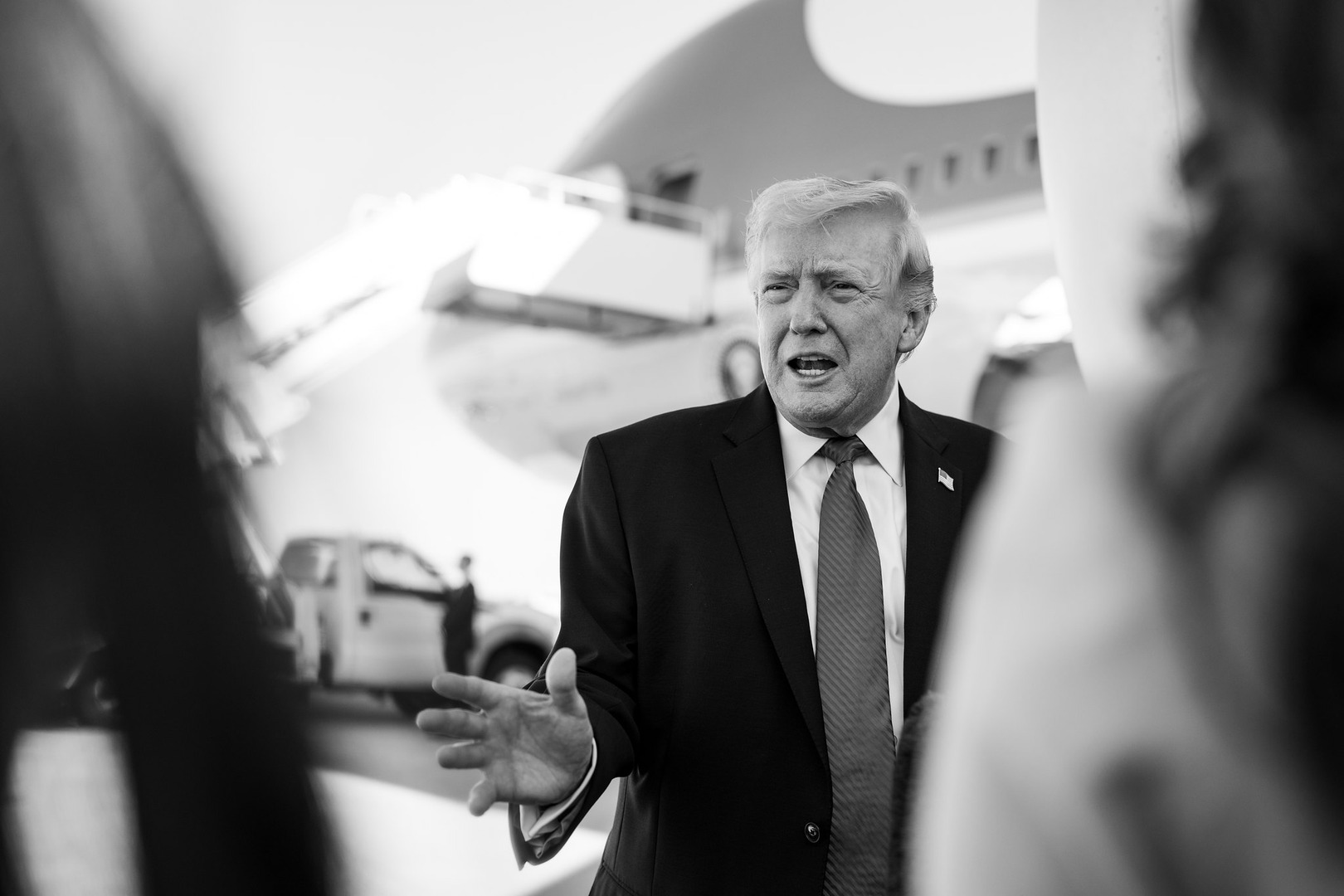
Editor’s Note: The opinions expressed here by the authors are their own, not those of impakter.com — In the Cover Photo: President Donald J. Trump boards Air Force One at Palm Beach International Airport in West Palm Beach, Florida. Cover Photo Credit: The White House