Impakter
  • Environment
    • Biodiversity
    • Climate Change
    • Circular Economy
    • Energy
  • FINANCE
    • ESG News
    • Sustainable Finance
    • Business
  • TECH
    • Start-up
    • AI & Machine Learning
    • Green Tech
  • Industry News
    • Entertainment
    • Food and Agriculture
    • Health
    • Politics & Foreign Affairs
    • Philanthropy
    • Science
    • Sport
  • Editorial Series
    • SDGs Series
    • Shape Your Future
    • Sustainable Cities
      • Copenhagen
      • San Francisco
      • Seattle
      • Sydney
  • About us
    • Company
    • Team
    • Partners
    • Write for Impakter
    • Contact Us
    • Privacy Policy
No Result
View All Result
Impakter logo
No Result
View All Result
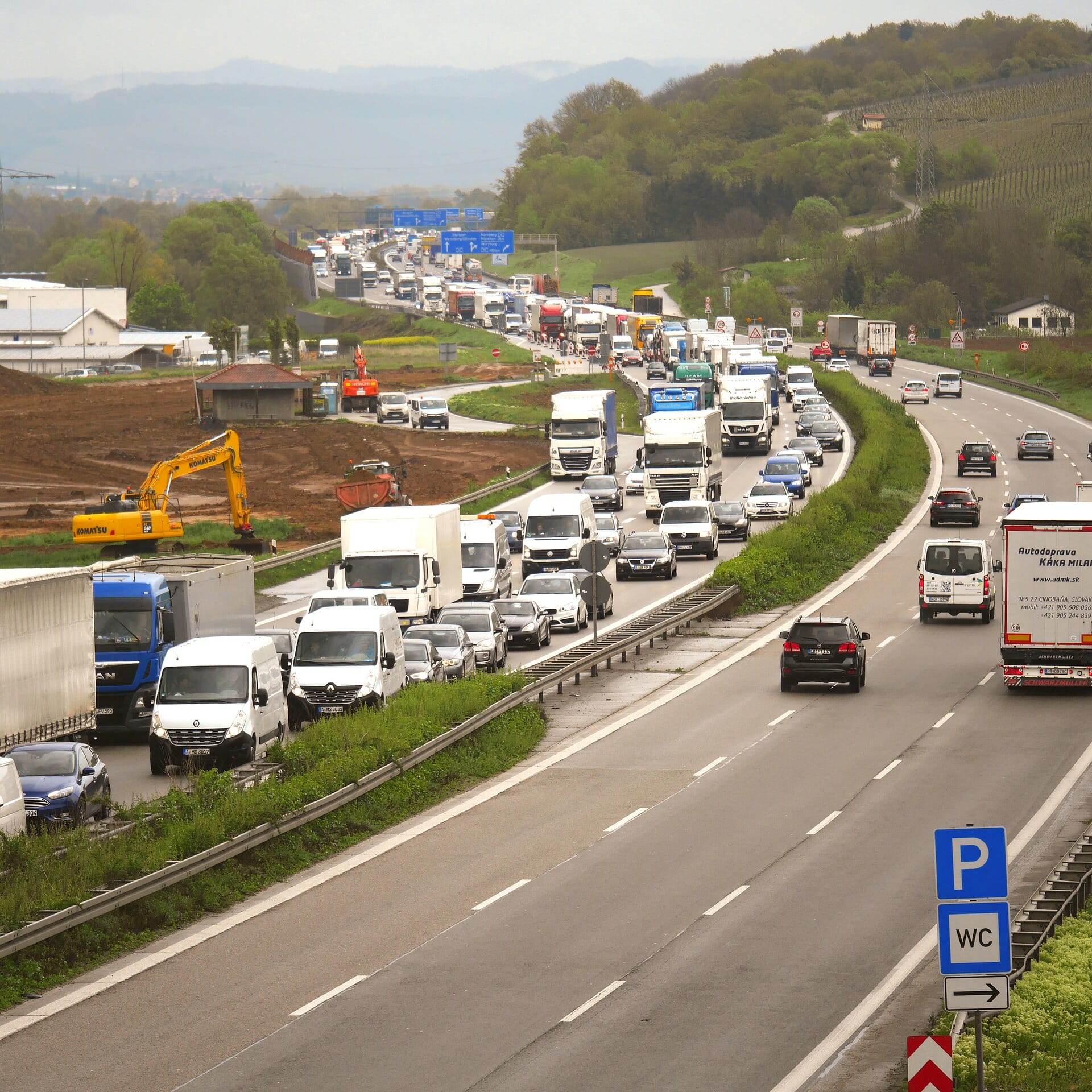
Traffic Jam Brexit

Fuel, Food Shortages, and “Brain Drain”: the Unexpected and Unwelcome Effects of Brexit

The UK faces the consequences of ending free movement and regaining control of British borders

Charles KershawbyCharles Kershaw
September 28, 2021
in Business, Energy, Environment, Society
0

Outside most petrol stations in the UK right now, you will likely see a long line of cars queueing to get fuel. These queues are sometimes miles long, and many are waiting hours to fill up their tanks. This is because people are panic buying fuel due to fears that a fuel shortage is looming. Some petrol companies are reporting that as many as 90% of their sites are without fuel.

The government and oil companies have reassured the public that any shortages are simply because of panic buying. However, this has not stopped the British public from buying. And it isn’t the whole story.

People are concerned that a real fuel shortage is coming as a result of a shortage of HGV drivers. It is estimated that the UK is short of more than 100,000 lorry drivers. According to the Office of National Statistics, 15,000 EU drivers have left since the start of the pandemic.

Fuel and Food Shortages: Is Brexit to Blame?

This is in part due to Brexit, as stricter controls on freedom of movement now mean it is more difficult and less economically beneficial for drivers to travel as far as the UK. There is also a backlog of driver tests due to the pandemic, which has made it harder for newer drivers to start work. Tax changes have also compounded the issue, making it more expensive for European drivers to work in the UK.

Lorry drivers now have to apply for a three-month visa to work in the UK. A Polish driver working in Germany told ITV that despite being offered an extra £2,000 to work in the UK due to the shortage, the three-month visa was too short to make it worthwhile.

There are now fears that a fuel shortage could lead to a spike in the wholesale gas price, and that some families would be unable to heat their homes during winter. UK supermarkets have also already seen shortages of particular food items. The Traditional Farm Fresh Turkey Association (TFTA) has even warned that there could be a shortage of turkeys at Christmas. 

https://twitter.com/peckhampoet/status/1441340027343028227

Critics of the government and Brexit have taken to twitter to complain about shortages.

This crisis is not limited to the UK, however. There is a shortage of drivers across Europe, partly due to the effects of the pandemic on global supply chains. However, this is a long-standing problem and driver shortages existed before the pandemic. But the UK’s shortage is the second worst in Europe, with Poland being the worst affected.


Related Articles: Is Brexit a Defeat for Europe? | The Wall is Everywhere – From Berlin to Brexit

Some have used these crises to draw comparisons to the “Winter of Discontent,” the 1979 fuel crisis triggered by widespread strikes across the UK public and private sector.

The Cost of Ending Free Movement

When the UK left the EU in 2016, ending free movement was one of the main factors behind the decision. Brexiters argued that being out of Europe would mean stronger border control, therefore stopping the unrelenting tide of immigration into the country. Immigration, in their mind, was taking their jobs and driving up the cost of living. Now, the lack of migration seems to be doing exactly what they feared.

To ease fuel flow we’ve:
✅ brought in army to help HGV testing
✅ added HGV drivers to Shortage Occupation
✅ created new apprenticeship scheme
✅ launched Skills Bootcamp
✅ expanded DVSA testing +50%
✅ changed law for faster HGV testing
➕ 12 other measures [1/2]

— Rt Hon Sir Grant Shapps (@grantshapps) September 27, 2021

Transport Secretary Grant Shapps has announced new measures, including calling the army, to help with HGV driver testing.

At the same time the UK is at the risk of a “brain drain.” European students are now more likely than ever to choose to study in the Netherlands or Germany rather than the UK. The UK risks cutting itself off from Europe and being in a weaker position on the global stage.

Now, as a result of these supply problems, the benefits of free movement are becoming clear to the British public. Having freer access to and from our largest trading partner smoothens the flow of services and capital.

And while the fuel shortage problem isn’t directly caused by Brexit, it suggests that Brexit, or the way in which the UK left the EU, has made the country ill-equipped to deal with supply chain issues. And the issue is made worse because the government has not acted soon enough. We only have to look at the way it handled post-Brexit touring visas for musicians to see this. 

As the UK learns to navigate the post-Brexit landscape, a simple lesson has emerged: The government must work in advance to stop supply chain, trade and migration issues before they have such adverse effects.


Editor’s Note: The opinions expressed here by Impakter.com columnists are their own, not those of Impakter.com. — In the Featured Photo: Traffic Jam. Featured Photo Credit: MonikaP.
Tags: BrexitenergyEnvironmentFreedom of Movementglobal supply chains
Previous Post

Same-Sex Marriage Legalised With Resounding Majority in Switzerland

Next Post

Nigerians Offer British Museum Artwork in Return for Looted Benin Bronzes

Related Posts

Rare Earth Metals 101
Business

Rare Earth Metals 101

Picture a wind turbine on a hillside or an electric vehicle humming through the streets of a major city. Inside,...

byAriq Haidar
February 6, 2026
Devon Energy and Coterra Energy announces All-stock merge valued at up to $58billion
Business

Devon Energy and Coterra Energy Announce $58 Billion Merger

Today’s ESG Updates: Devon Energy and Coterra Energy Announce $58 billion merger: the merger is valued at $58bn and targets...

byAriq Haidar
February 5, 2026
ESG news regarding Merz targeting Middle East deals to reduce Germany’s U.S. energy dependence, oil rising after U.S.-Iran drone incident, Amazon committing to 110 MW of German offshore wind power, and Chinese solar stocks surging after Elon Musk team visits local firms.
Business

Merz Visits Middle East to Curb Germany’s Energy Dependence on the U.S.

Today’s ESG Updates Merz Seeks Middle East Deals to Cut U.S. Energy Dependence: Germany’s LNG imports from the U.S. hit...

byAnastasiia Barmotina
February 4, 2026
renewables
Energy

Why the World Is Switching to Renewables Faster Than Anyone Expected

How do you explain the boom in solar energy we’re seeing today? Renewables are scaling fast because it’s become affordable...

byInternational Institute for Sustainable Development (IISD)
February 3, 2026
Indonesia Forms National Energy Council
ESG FINANCE

Indonesia Forms National Energy Council

Today’s ESG Updates: Indonesia Forms National Energy Council: With one of its aims being to reduce fuel import dependencies and...

byAriq Haidar
January 29, 2026
ESG News regarding global markets declining due to geopolitical tensions and U.S. tariffs, Trump threatening 200% tariffs on French wine, EU meat VAT reform cutting carbon footprint, Inpex resubmitting environmental plan for a project in Australia
Business

Trump Threatens 200% Tariff on French Wine After Macron Rejects ‘Board of Peace’

Today’s ESG Updates Trump Threatens French Wine Tariffs: Trump threatened 200% tariffs after Macron rejected his Gaza “Board of Peace”...

byAnastasiia Barmotina
January 20, 2026
The Imperative of a Nature-Positive Future
Biodiversity

The Imperative of a Nature-Positive Future

For most of human history, survival was a gamble. Half of all children never reached puberty. Life expectancy hovered around...

byMarco Lambertini
January 16, 2026
Five Keys to Understanding Venezuela’s Oil History
Energy

Five Keys to Understanding Venezuela’s Oil History

Venezuela’s oil industry has once again returned to the center of international debate. U.S. President Donald Trump announced new actions...

byYale Climate Connections
January 15, 2026
Next Post
Benin Bronzes in museum

Nigerians Offer British Museum Artwork in Return for Looted Benin Bronzes

Recent News

ESG News regarding Nuclear Waste Storage; Canada Replaces EV Mandate; EU and Turkey Resume Trade Modernization Talks; Startup Raises $29M for Desk-Sized Fusion Reactor

Volunteers Needed for Nuclear Waste Storage

February 6, 2026
Rare Earth Metals 101

Rare Earth Metals 101

February 6, 2026
How to Spot Greenwashing in the Publishing Industry

How to Spot Greenwashing in the Publishing Industry

February 6, 2026
  • ESG News
  • Sustainable Finance
  • Business

© 2025 Impakter.com owned by Klimado GmbH

No Result
View All Result
  • Environment
    • Biodiversity
    • Climate Change
    • Circular Economy
    • Energy
  • FINANCE
    • ESG News
    • Sustainable Finance
    • Business
  • TECH
    • Start-up
    • AI & Machine Learning
    • Green Tech
  • Industry News
    • Entertainment
    • Food and Agriculture
    • Health
    • Politics & Foreign Affairs
    • Philanthropy
    • Science
    • Sport
  • Editorial Series
    • SDGs Series
    • Shape Your Future
    • Sustainable Cities
      • Copenhagen
      • San Francisco
      • Seattle
      • Sydney
  • About us
    • Company
    • Team
    • Partners
    • Write for Impakter
    • Contact Us
    • Privacy Policy

© 2025 Impakter.com owned by Klimado GmbH