

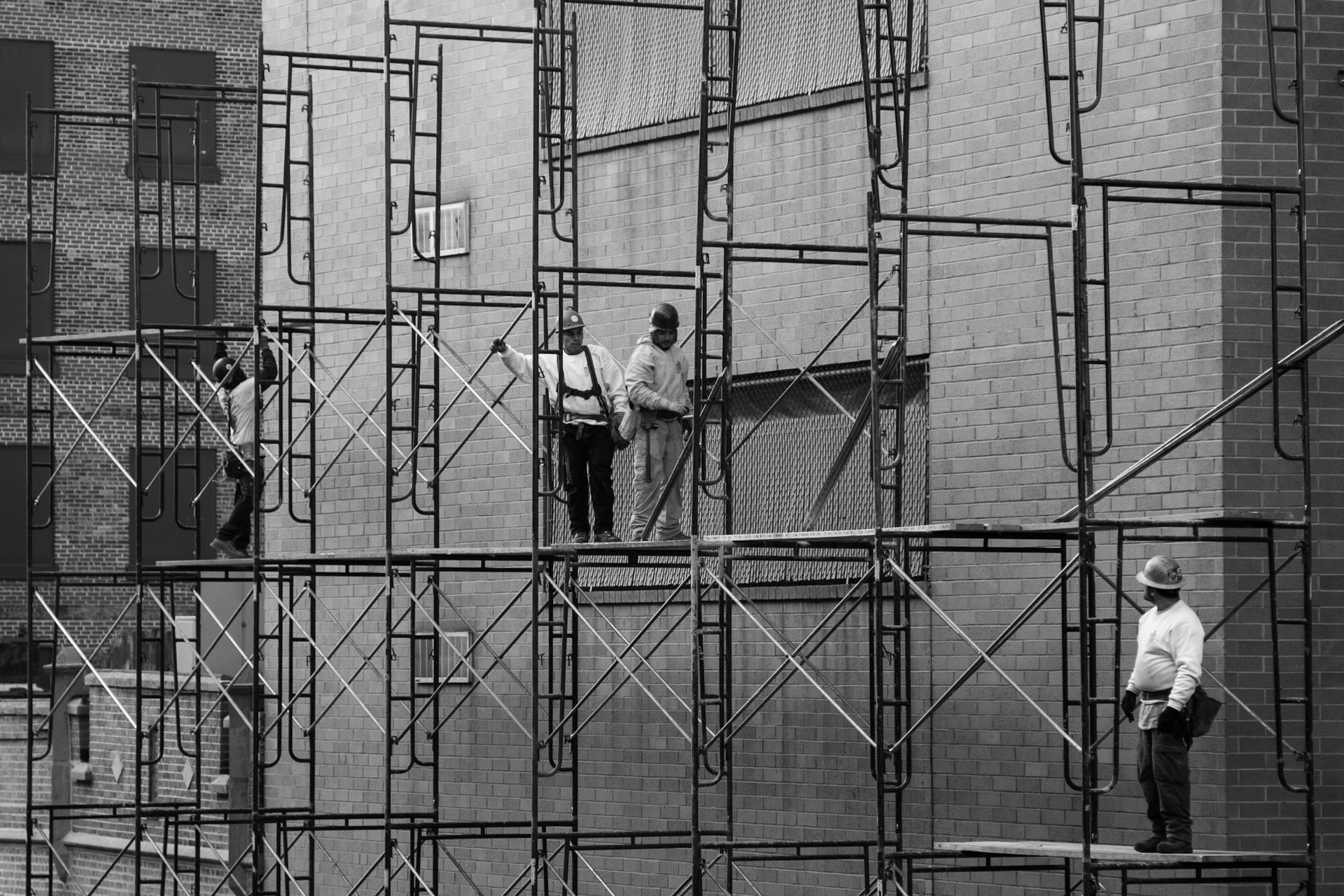
If you work around scaffolds, ladders, hoists, or unfinished floors in New York, Labor Law 240 can have a direct impact on your rights after a construction accident. Often called the Scaffold Law, the statute addresses specific elevation-related hazards and places important safety responsibilities on property owners and contractors. Understanding when it applies, what protection it requires, and how a claim is evaluated can help injured workers make more informed decisions after a fall, equipment failure, or falling-object incident.
Labor Law 240 is narrower than people think, but stronger when it applies
You will often hear Labor Law 240 described as the Scaffold Law. That name is widely used, but the statute covers more than scaffolding. It addresses certain gravity-related hazards involving elevation differences. These can include workers falling from ladders, platforms, roofs, and scaffolds, as well as injuries caused by falling tools, materials, or equipment in circumstances covered by the law.
The statute applies to specific activities involving a building or structure, including construction, demolition, repairing, altering, painting, cleaning, and pointing. Not every task performed at a jobsite qualifies. Routine maintenance, for example, may fall outside the statute, depending on the work being performed. The distinction between a covered repair and ordinary maintenance can become an important issue in an injury claim.
When the statute applies and its safety requirements are violated, owners and contractors may face liability even if they did not personally supervise the work. However, an accident alone does not establish liability. The worker must show that a statutory violation occurred and that it was a proximate cause of the injury.
The right legal guidance can help clarify your options
A serious construction fall can raise questions about which parties had responsibility for providing safety equipment, whether the work falls within the statute, and what evidence is needed to support a claim. Understanding those issues early can make a meaningful difference when deciding how to proceed.
Speaking with a NY Labor Law 240 construction accident attorney can help an injured worker assess the circumstances of an accident, identify potentially responsible parties, and understand the legal options that may be available. The details of the work, the equipment provided, and the way the injury occurred all matter when evaluating whether the statute applies.
The core issue is usually the safety equipment that should have protected you
Many Labor Law 240 claims turn on a practical question: what safety device was needed, and was it properly provided and used? The statute identifies equipment such as scaffolds, hoists, stays, ladders, slings, hangers, blocks, pulleys, braces, irons, and ropes. These devices must be constructed, placed, and operated to provide proper protection to workers performing covered tasks.
Consider a few common examples. A ladder may have been unsecured or unsuitable for the work. A scaffold may have lacked adequate guardrails. A worker may have had no appropriate tie-off point for a harness. A suspended load may have required proper securing equipment. These details can help explain whether the injury resulted from an elevation-related hazard and a failure to provide adequate protection.
On active job sites, workers sometimes encounter damaged, makeshift, or poorly positioned equipment. After an accident, those conditions may become important evidence. Photographs, incident reports, equipment records, and coworker accounts can help establish what happened and what protective measures were available.
Jobsite conditions and contractor relationships matter
Construction projects often involve multiple companies and layers of responsibility. A property owner, general contractor, construction manager, and several subcontractors may all have roles in the same project. Different teams may handle steelwork, masonry, glazing, electrical work, painting, or demolition.
Determining who may be legally responsible requires more than identifying the company that employed the injured worker. Labor Law 240 can impose duties on owners and contractors in covered circumstances, and those duties are not necessarily limited to the party directly supervising the injured worker’s daily tasks.
The New York Courts have explained that the statute addresses elevation-related risks and requires adequate safety devices in covered work. In a published decision, the court discussed the need to establish both a statutory violation and a causal connection between that violation and the injury. The decision can be reviewed in this New York court ruling on Labor Law 240.
What you do in the first few days can shape the claim
After a construction accident, medical care should come first. Even so, important documentation can begin accumulating immediately. Site managers, insurers, and company representatives may start recording the incident before an injured worker has had time to understand what happened.
Report the injury promptly and describe the circumstances as accurately as possible. If a ladder shifted, explain that. If an object fell because it was not properly secured, make that clear. Avoid guessing or adding details you cannot confirm. Inconsistent descriptions can create unnecessary disputes later.
Keep copies of medical records, discharge instructions, imaging results, prescriptions, work restrictions, and follow-up recommendations. If possible, preserve photographs of the accident area, equipment, and visible defects. Record the names and contact details of witnesses while they are still available. Construction crews can move between projects quickly, making early witness information particularly valuable.
Workers’ compensation and a Labor Law 240 claim are different
Injured workers sometimes assume that workers’ compensation is their only option. It is important to understand that workers’ compensation and a Labor Law 240 lawsuit are separate legal processes.
Workers’ compensation may provide medical benefits and a portion of lost wages, but it generally does not compensate workers for pain and suffering. A third-party claim under Labor Law 240 may provide a separate route to pursue damages against responsible owners or contractors when the legal requirements are met.
The distinction can be significant after serious injuries such as fractures, spinal damage, traumatic brain injuries, or injuries requiring multiple surgeries. These conditions may affect a person’s ability to work and manage everyday activities long after the initial accident. In some cases, workers’ compensation benefits and a third-party claim may proceed at the same time. The NYC Bar’s guide to construction site accidents and worker protections explains how these legal protections differ.
Defense arguments often focus on scope, conduct, and causation
Even when a worker appears to have a strong claim, the responsible parties may challenge it. They may argue that the work involved routine maintenance rather than a covered activity. They may claim that adequate safety equipment was available but that the worker chose not to use it. They may also dispute whether the accident involved the type of elevation-related hazard addressed by the statute.
Evidence can become especially important when the accounts of an accident differ. Work orders, subcontract agreements, daily site logs, safety records, photographs, and witness statements may all help clarify what task was being performed and what equipment was provided.
The worker’s conduct can also become an issue. Although the statute provides significant protection, it does not make every construction-site injury automatically compensable under Labor Law 240. If a worker’s own actions were the sole proximate cause of the accident, that may defeat a claim. A careful review of the facts is therefore essential.
The broader impact reaches beyond one lawsuit
Labor Law 240 does more than provide a potential legal remedy after an injury. It places responsibility on parties who are in a position to provide appropriate protection against certain elevation-related risks. That responsibility encourages better equipment, planning, supervision, and enforcement of safety procedures.
For workers, understanding the statute can help distinguish an ordinary workplace hazard from a situation that may fall within its protections. For owners and contractors, it reinforces the importance of providing suitable safety devices and addressing dangerous conditions before someone gets hurt.
A construction fall should never be dismissed as simply part of the job. The circumstances matter: the work being performed, the height involved, the equipment provided, and the connection between a safety failure and the injury. Knowing how Labor Law 240 works can help injured workers recognize when they may have legal options and take informed steps to protect their interests.
Editor’s Note: The opinions expressed here by the authors are their own, not those of impakter.com — Cover Photo Credit: Riccardo Parretti.