As destruction of facilities in Iran accelerates, whether directly with respect to health facilities, but also transportation, communication, and sanitary infrastructure, the ability to detect and respond to infectious diseases in humans and animals faces heightened risk. One Health links human, animal, plant, and ecosystems, and an important facet is its interface with respect to infectious disease epidemics and pandemics. It is worthwhile considering possible public health dangers that could emerge from this war if it continues for an extended period.
While not similar to the situation today, during and after World War I, the 1918-1919 Spanish Flu pandemic has been estimated to have infected 500 million people (1/3 of the world population at the time), and an estimated 50 million deaths worldwide. The outbreak was triggered by an H1N1 influenza virus that originated in birds and crossed over to infect humans. It was able to do so because of crowded troop movements, greater international travel, poor sanitation, and lack of public health measures allowed the virus to spread rapidly. While not the massive troop presence, we have much greater cross-border travel and are far from a coordinated global health system.
Potential Impacts of an Extended Iran War
The impact of a long Iran War on zoonotic disease transmission would have both short- and long-term potential consequences. Focusing on zoonotic diseases, diseases that can be transmitted from animals to humans, would be of particular concern in conflict situations due to the breakdown of health systems and increased unrest.
In general, there are multiple direct and indirect impacts from manmade conflicts.
Possible short-term impacts:
- Conflict instability could affect animal husbandry practices, with veterinary care compromised or unavailable, leading to unchecked disease in livestock and wildlife and increasing the potential for diseases to infect humans.
- Affected populations will be forced to move, resulting in overcrowding, heightening conditions for the rapid spread of infectious diseases, including zoonoses. Limited access to healthcare is another factor that will exacerbate the situation.
- Disease surveillance and reporting mechanisms will be disrupted in war zones, translating into delayed identification and response to disease outbreaks, heightening the unchecked spread within human populations.
Possible long-term impacts:
- Prolonged conflict leads to significant ecological disturbances, such as habitat destruction and loss of biodiversity. Such a change can alter disease dynamics and lead to the emergence of new zoonotic diseases, as diseases in wildlife become more prevalent.
- As healthcare and veterinary services are diminished and take years to rebuild after prolonged conflict, zoonotic pathogens are either uncontrolled or not identified. This can give rise to new virulent strains or those known to be resistant to treatments, a long-term public health risk.
- Increased community disruption and vulnerability can mean increased poverty and diminished access to education and health resources, with disadvantaged communities having less capacity to manage health threats over time.
- Long-term conflict can lead to a decline in research and decreased capacity to detect new threats. This lack of knowledge would hinder future response efforts and prevention strategies, leading to a cycle of emerging diseases in both animal and human populations.
Possible global health implications:
The emergence of virulent infectious diseases in conflict zones poses a risk beyond borders. Outbreaks that originate in conflict-affected areas can have significant ramifications for public health systems worldwide.
Related Articles
Here is a list of articles selected by our Editorial Board that have gained significant interest from the public:
Iran Specifics
Disease patterns in Iran — a country with a population of 92 million people covering more than 636,000 square miles, divided into five regions with 31 provinces — differ widely from region to region. Some infectious diseases are present across the entire country, such as Crimean–Congo hemorrhagic fever. Others, such as plague, leishmaniasis, tularemia, and malaria, are found only in specific areas.
Further, Iran has many neighboring countries, including Turkey, Iraq, Syria, Afghanistan, and Pakistan, with significant movement of people crossing into and out of Iran, and largely porous borders.
World Health Organization (WHO) data and reporting from 2024–2026 describe Iran as a paradox: on the one hand, a strong, institutionalized primary health care (PHC) system; on the other, a country facing significant strain from economic sanctions, and past and present regional instability and conflict. This was before the Iranian War.
Can One Health Help to Avoid a Health Disaster?
Whatever emerges when the situation stabilizes, there will be a need for continued monitoring and surveillance of emerging and reemerging vector-borne diseases, which are important to those in Iran as well as in neighboring countries.
At this point, there are many unknowns, such as how long this War will last or the extent of damage or disruptions to people, animals, plant life, or the environment writ large. Available information indicates the likelihood of significant damage to critical health-related infrastructure, such as water and sewage, health facilities and hospitals, and reduced mobility of health professionals.
When some form of peace returns, to prevent major infectious disease outbreaks within Iran and its neighbors, priority attention and resources should be devoted to establishing a fully developed, coordinated One Health effort across priority sectors and disciplines, e.g., human, animal, agricultural, and the environment. The goal should be to mitigate risks and support a strong health system in Iran, for them — and for us.
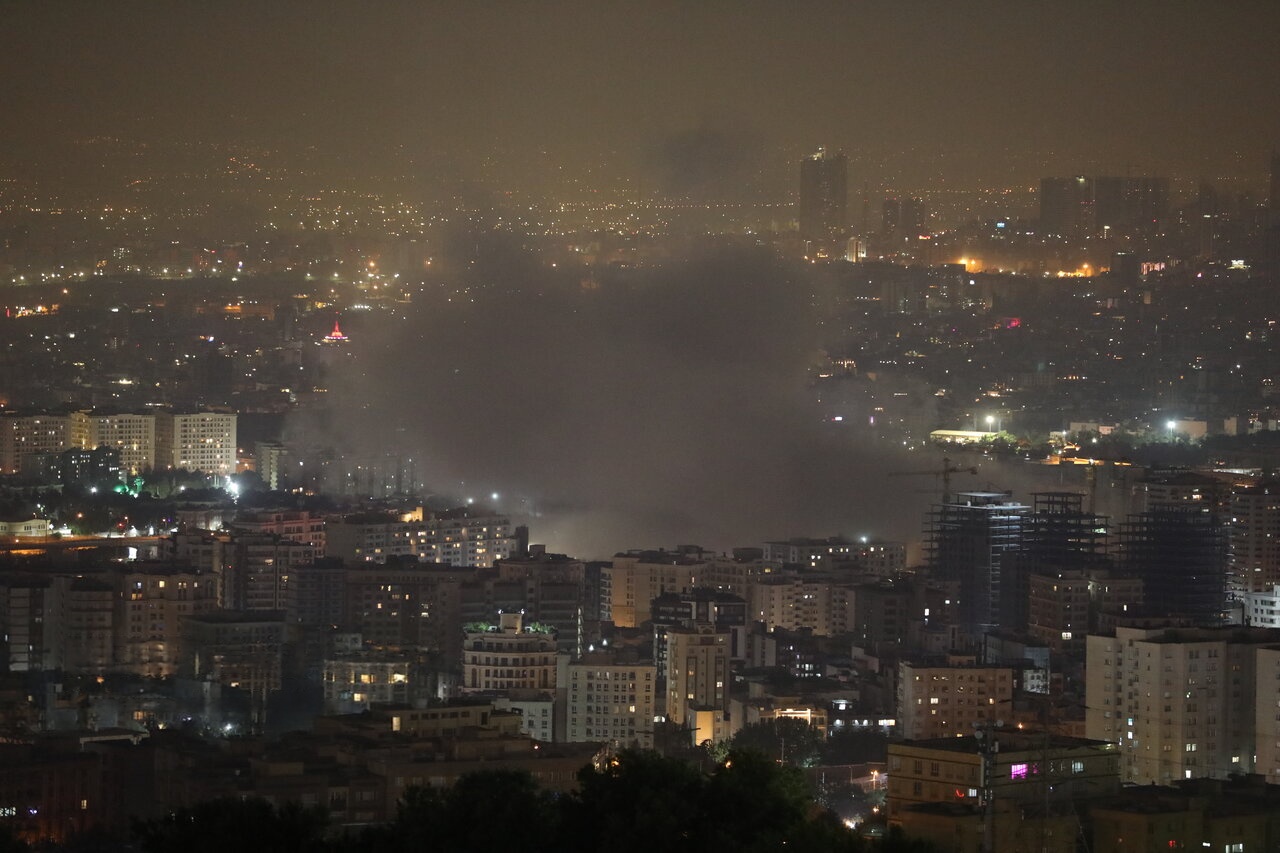
Editor’s Note: The opinions expressed here by the authors are their own, not those of impakter.com — In the Cover Photo: The Israeli Air Force attacked parts of Tehran at dawn on Friday, June 13, 2025. Cover Photo Credit: Wikimedia Commons.