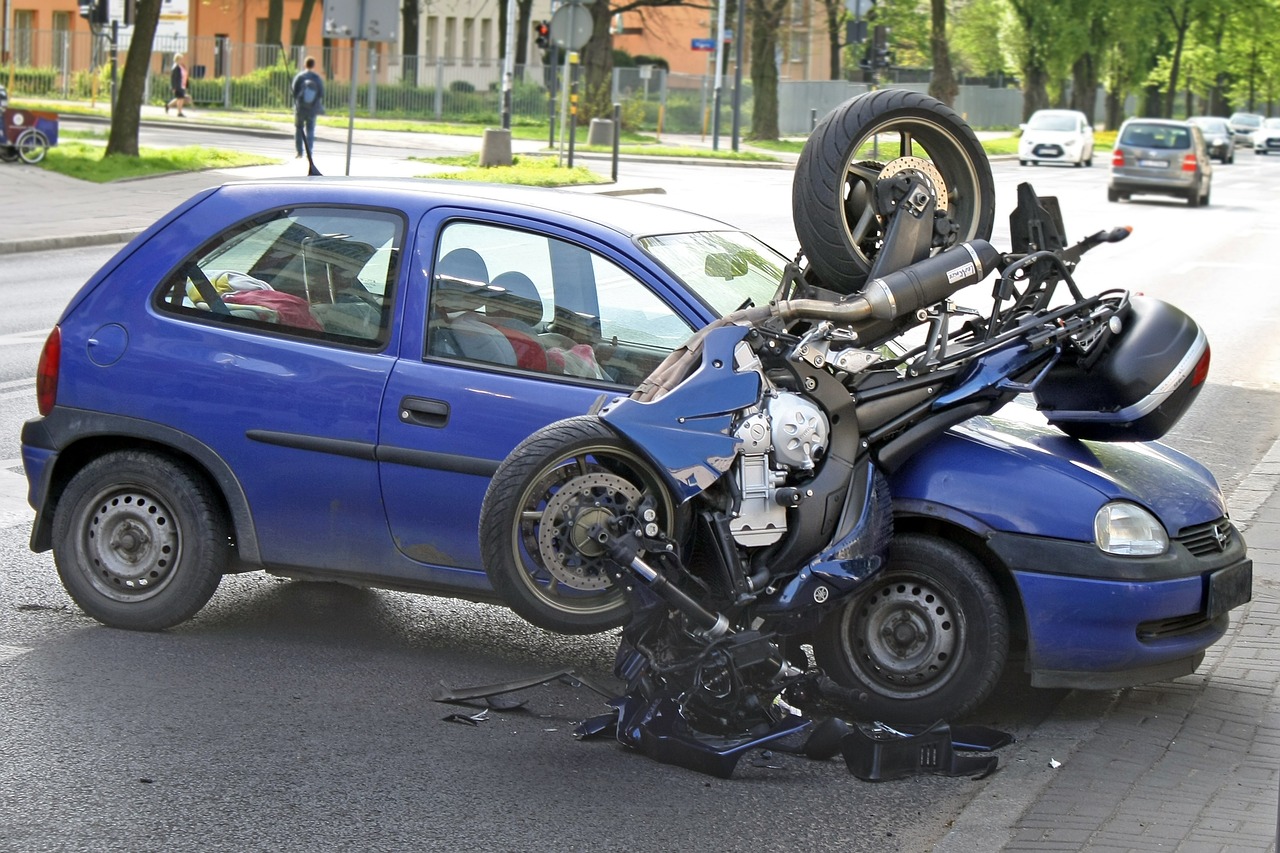
A motorcycle crash rarely stays limited to the few seconds that caused it. Long after the road clears and damaged vehicles are removed, small details begin shaping everything connected to the claim. Insurance companies review reports carefully, injuries develop over time, and missing information suddenly becomes important.
Many riders expect the process to stay simple if the accident looked minor at first, but motorcycle cases often move in a very different direction. Road conditions, medical records, witness opinions, and timing can affect how claims are viewed later. A motorcycle accident lawyer often understands how these hidden factors quietly influence the entire process after serious motorcycle crashes.
Road Conditions Often Carry More Weight Than Expected
Small Road Hazards Can Become Serious Risks
Riders do something different from the folks who are in a car. Potholes, loose gravel, uneven pavement, and worn road markings are so minor as to a car driver but so serious to a motorcyclist. These conditions can have a significant impact on control, balance, and reaction time in just a few moments and are often significant during the investigation of an accident.
Weather and Visibility May Affect the Claim
Many people don’t think about weather being a factor in motorcycle accident claims, but it is. Motorcycles are affected by various hazards such as roads, vehicles, rain, fog, and lighting, as they do not have the physical protection and stability that a car offers when making sudden movements. Weather reports and road conditions are important, and investigators may look at these reports since sometimes this information can provide an explanation as to why the crashes became critical so rapidly.
Construction Zones Can Create Additional Questions
Other issues include construction areas and temporary road modifications. Lanes blocked for maintenance, no warning signs, or uncertain traffic directions can confuse riders and result in hazardous situations. These facts may not be significant right after an accident, but they can become bigger questions later on in challenging claim conversations.
Injury Documentation Shapes the Strength of Claims
Some Injuries Develop Slowly
Not all motorcycle injuries are immediately obvious following a motorcycle accident. Some injuries get worse gradually over days or weeks, particularly those to the head, neck, back and nerve damage. Sometimes, riders avoid treatment because they think that the pain will resolve on its own; however, there may be treatment gaps that confuse insurance reviews.
Medical Records Help Support the Claim
Because of the medical documentation, it is one of the most powerful elements of a motorcycle accident case, linking injuries directly to the accident. Continuous records allow for more understanding of how injuries were sustained and why, over time, treatment was needed. Failure to attend appointments or late evaluations can raise the insurance company’s doubts about the severity of injuries.
Vehicle Damage May Not Reflect Injury Severity
When damage can be seen, there are false assumptions of damage. Even if it looks like a motorcycle accident wasn’t total, the motorcyclist could be seriously injured. When crashes happen, the riders have very little protection, and sometimes injury severity is quite different than the condition of the motorcycle at the time of the crash.
Witness Statements Can Change the Direction of a Claim
Motorcycle riders often face unfair assumptions after accidents. Some people automatically believe riders were speeding or behaving recklessly before knowing what actually happened. These early opinions sometimes influence the way claims are discussed later.
Witness statements become extremely important because they help explain traffic movement, road behavior, and the actions of everyone involved. Small observations may suddenly carry weight during investigations. A witness noticing sudden lane movement or dangerous driving may completely change how fault is viewed later.
Timing Often Impacts Motorcycle Accident Cases
Evidence Can Disappear Quickly
Time affects motorcycle claims more than many riders expect. Evidence disappears quickly after accidents because damaged vehicles get repaired, debris gets removed, and surveillance footage may be erased within days. Even road conditions may change before investigators review the scene.
Delays Can Create Insurance Disputes
Insurance communication also becomes harder after long delays. Missing records, forgotten details, and incomplete timelines sometimes create unnecessary disputes. Organized information usually helps prevent confusion from growing during the claims process.
Early Actions Can Shape the Claim
Many riders later realize that small actions taken early after a crash can affect the entire claim discussion. A motorcycle accident lawyer may review records, reports, photographs, and timelines carefully because these details often shape how claims move forward after motorcycle accidents.
Final Thoughts
There’s no single all-encompassing fact for motorcycle accident claims. What may seem insignificant at first can be surprisingly significant when investigations are undertaken, and insurance review is more detailed. After-crash claim evaluation is subtly affected by road conditions, injury severity, witness observations, and timing. Many of these may seem inconsequential in the immediate aftermath of an accident, but they can turn into key elements in subsequent conversations.
Motorcycle crashes have special concerns because motorcyclists are at a higher risk of being involved in a crash and have more conflicting assumptions than most other vehicles. With careful documentation and heightened sensitivity to the missing pieces, it’s usually much clearer what really occurred.
Editor’s Note: The opinions expressed here by the authors are their own, not those of impakter.com. In the Cover Photo: motorcycle accident claims are key during extreme accidents. Cover Photo Credit: DC Studio