We are living something we never imagined: we changed the way we work, get along, consume, and relate to each other.
We know how we got into this but not how we will come out of it. What does the future hold? Nobody can predict anything and most of the paths shown are replete with “well-grounded guesswork” – reality, though, will be quite different from what we can foretell.
What we realise is that there is no progress without adversities: we learned new things, broke paradigms, and started seeing (and living) future in a whole new way.
While we were obliged to stay home, the scenery outside changed as well. Nature got a fresh breath of life, we once again saw see birds through our windows, cleaner water, less pollution in urban centers and we noticed a human need to reach out to things “natural” during this period.
This trend draws our attention once again to an important topic of debate that is often forgotten: the climate issue. The subject has long ceased to be on the agenda of just NGOs and activists.
It has also entered the agenda of major corporations and even become one of the key challenges in the financial markets. And Brazil, the nation with the world’s largest rainforest cover, is at the heart of this discussion.
Just recently, a group of large investors from nine countries who manage assets worth US$4.1 trillion sent a letter to Brazilian ambassadors to discuss the country’s environmental policy. That is some change of attitude: earlier, the pressure was on companies but now the governments, too, feel the heat.
This call to dialogue shows that environmental issues have increasingly turned into an important element of consumption and investment decisions in recent years. The trend is to look for sustainable initiatives that generate profits but also lay emphasis on preservation, environmental restoration, and social prosperity.
There is so much to be done and now is the time for us to make a commitment to the future. We have a unique opportunity to become the benchmark for what is called “stakeholder capitalism”. This is our chance to show that there is no such thing as preservation “or” growth. We must advocate and push through the “and” so that we are ambidextrous and can do both at the same time: grow, develop, “and” protect the environment!
Our nation is home to the world’s largest biodiversity, which demands much responsibility. If we preserve it, restore it and do the right things, we can become a hub of investments sufficient to take care of our own country and the future of our species, thus striking an excellent deal for us Brazilians, for our economy, for society and for the planet.
RELATED ARTICLES: Finance Industry Takes a Stand for the Environment | The Future of Green Finance | The Open Amazon and its Enemies: A Call to Action and Optimism
I strongly believe in the “Brazil Brand”, with our country leading the world in sustainable development. Our forest, which was given to us as a gift, must be preserved and cared.
It is an extremely important environmental asset with the potential to bring us huge opportunities for economic development. It is of fundamental importance to understand that, apart from being a matter of survival, preservation is also an important economic factor. For instance, the green bonds market is an opportunity that Brazil must capitalise on.
Green bonds are debt securities issued to fund projects with environmental benefits that can be measured, audited, and monitored by independent organisations. Investments can be made in renewable energy, energy efficiency, pollution control, conservation of biodiversity and clean transport, among others.
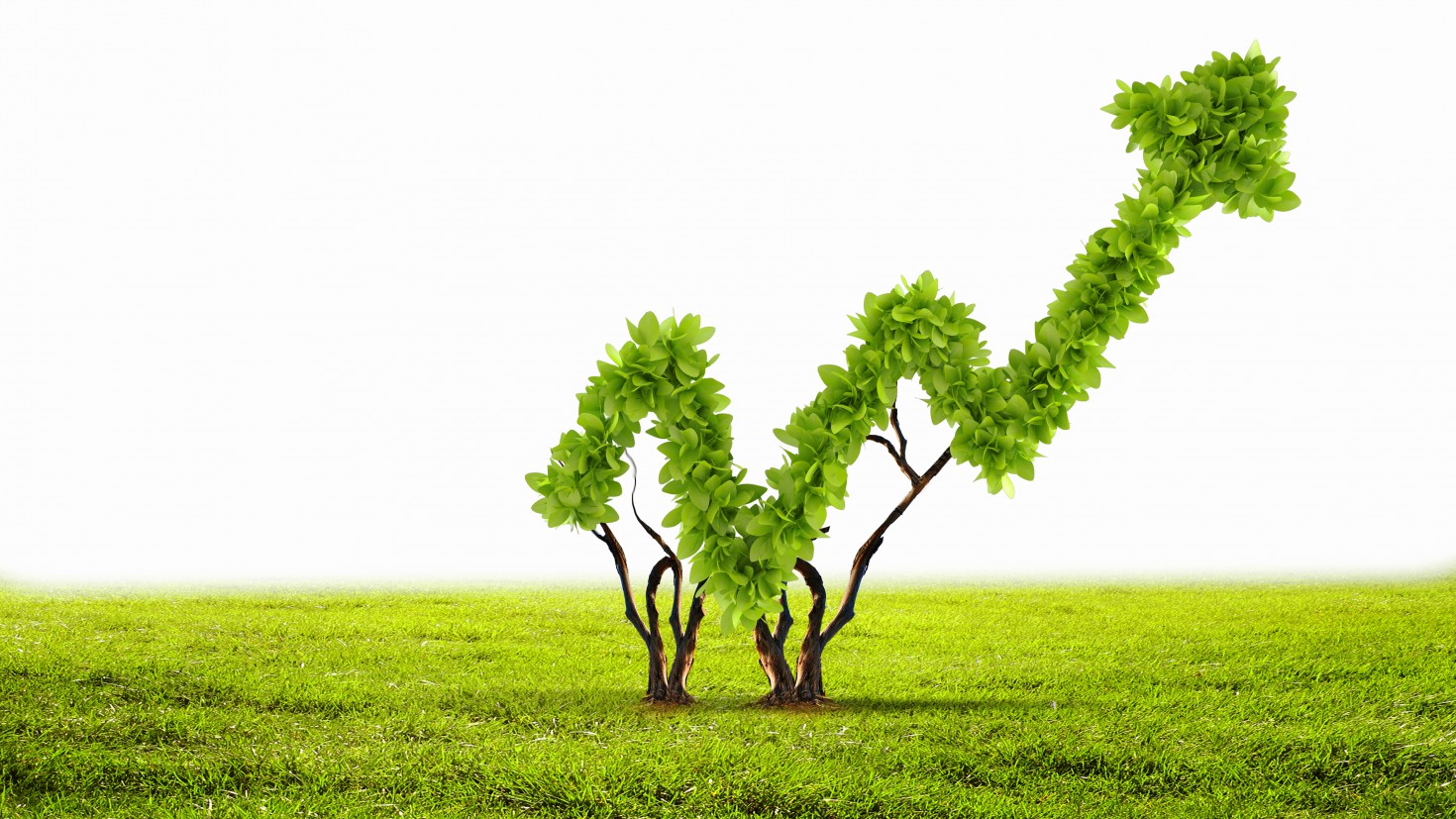
Both the supply of these bonds and the market’s interest in acquiring them are on the rise in both the domestic and international scenarios – whether through the involvement of companies with social and environmental commitments or through investment funds. According to the Climate Bonds Initiative (CBI), Brazil’s green bonds market reached US$1.2 billion in 2019 and there is certainly much room for growth.
Carbon may be the currency of the international financial market for the next years. And hence, we have the challenge of improving this market in Brazil. To put things in perspective, the Amazon biome alone could yield the country US$10 billion a year.
Today, the credit generation process (CDM) takes around two years, so it is time consuming, bureaucratic, and expensive. If the market were regulated in Brazil or if there were a strong voluntary market, we would have specific mechanisms tailored to our country’s reality.
Thus increasing the volume of transactions, and driving the competitiveness of less carbon-intensive players. In parallel, multilateral agreements and a more active role by Brazil in the international markets can also help leverage this environmentally positive agenda.
the Amazon biome alone could yield the country US$10 billion a year
For that, we need the engagement and commitment of society, as well both private and public sectors. As citizens, it is our duty to monitor, and especially, be engaged with the cause. From companies, we expect profits associated with sustainable development.
From governments, we expect proper, efficient, and permanent law enforcement combined with comprehensive and transparent information, since we already have – generally speaking – public policies and regulatory frameworks that are aligned with the best preservation practices around the world.
The COVID-19 pandemic removed us from our comfort zone and spurred us to reflect on what we truly value and how we relate to the world. Brazil has the potential to be at the vanguard of protecting the environment, as the new economic era will certainly be oriented towards the environment and the fight against global warming.
This is our green chance to spearhead the important and urgent renovation that the planet so desperately needs, thus paving a sustainable future for future generations.
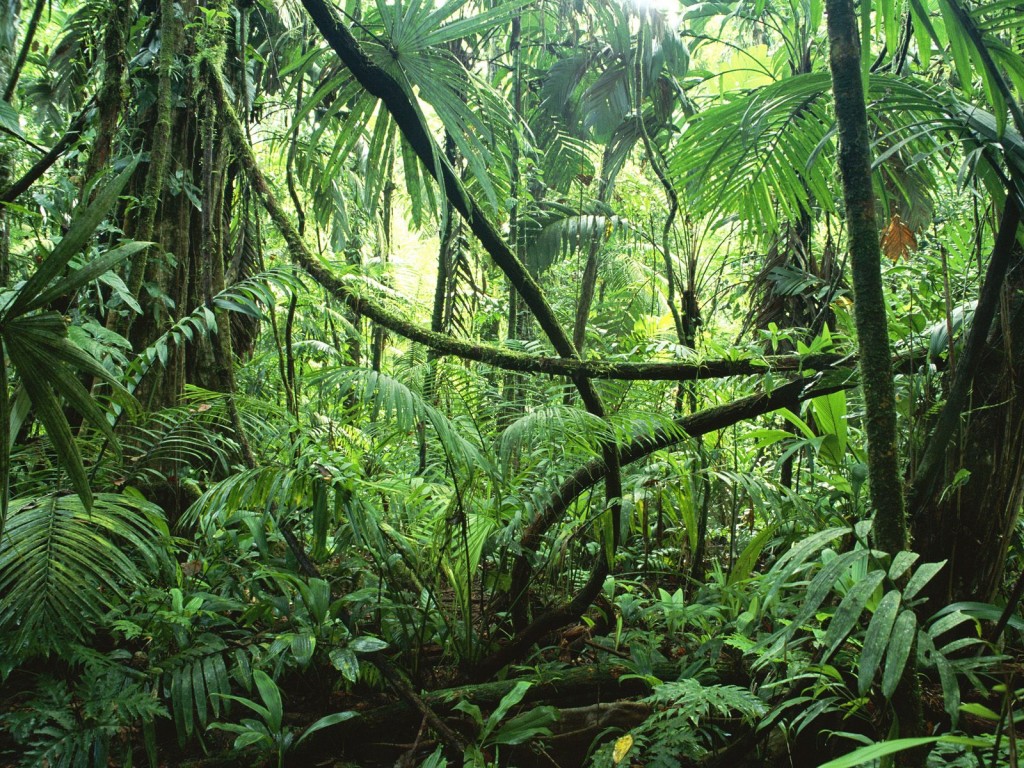
Editor’s Note: The opinions expressed here by Impakter.com contributors are their own, not those of Impakter.com. In the Cover Photo: The Amazon Rainforest, Brazil. Image Credit: foundtheworld.