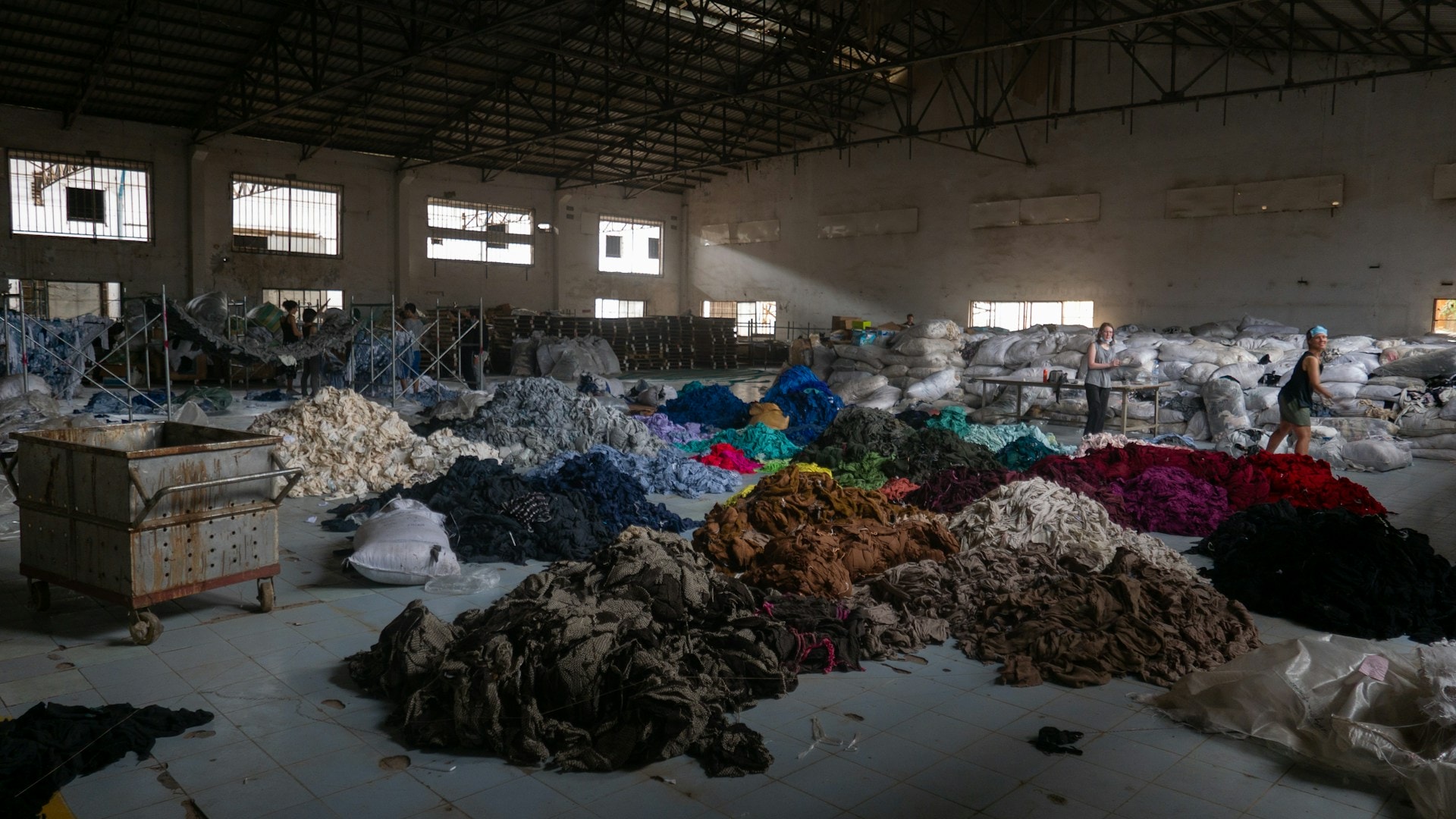
Sustainability in retail is no longer a moral side-note it’s becoming a core expectation. From packaging and supply chains to customer communication, brands are under pressure to eliminate waste, increase transparency and create more responsible experiences. Yet many of the solutions that promise sustainability often demand expensive tools, new systems or major operational changes.
There is one exception: a quiet, accessible technology that has been sitting in plain sight. QR codes specifically dynamic, update-friendly versions created through a sustainable QR code solution are helping retailers lower environmental impact, reduce operational waste and open up new ways to communicate with eco-conscious consumers.
This isn’t innovation for novelty’s sake. It’s the kind of lightweight change that rewrites habits without disrupting the consumer.
The Packaging Problem No One Can Avoid
Packaging is one of retail’s biggest environmental challenges.
Even when brands shift to recyclable or compostable materials, the information printed on the packaging creates limitations:
- You can’t update instructions without reprinting
- You can’t add new certifications without a redesign
- You can’t legally correct a mistake without discarding stock
- You can’t offer context without using more ink and space
Static packaging locks information in place even when it becomes outdated the day a new sustainability requirement launches.
Dynamic QR codes change this relationship completely.
A Dynamic Layer That Reduces Physical Waste
With a single QR code printed on packaging, brands can:
- Update sustainability information at any time
- Add ingredient or sourcing transparency without reprinting
- Correct compliance errors without dumping materials
- Provide multilingual content without additional labels
- Share videos, certifications or extended details without more ink
- Turn a fixed package into a flexible communication channel
The printed QR code stays identical the information behind it evolves.
For retailers trying to minimise production waste and avoid unnecessary redesigns, this is a substantial shift. A small change with an outsized environmental impact.

Transparency That Goes Beyond Buzzwords
Consumers increasingly expect to understand what they are buying, where it comes from, and how it impacts both them and the planet. But transparency becomes almost impossible when packaging space is finite.
A QR code, however, grants unlimited room to tell the truth.
Brands are using this space to share:
- Ingredient sourcing stories
- Farmer and supplier profiles
- Independent certifications
- CO₂ impact information
- Repair and reuse instructions
- Aftercare guides that extend product life
- Recycling instructions tailored to local regulations
This turns sustainability from a vague concept into something concrete.
When customers feel informed, they feel respected. When they feel respected, they make better choices.
A More Circular Experience for Consumers
Circularity is often discussed in terms of materials, recycling or supply chains.
But circular communication is just as important.
QR-driven experiences help extend product life by offering:
- Refill or reuse incentives
- Tutorials for maintenance
- Spare part instructions
- Ways to repair or repurpose items
- Digital warranties and care guides
The product stays out of the bin for longer often for years longer.
Sustainability isn’t just about the first transaction.
It’s about supporting the entire lifespan of the product in a way that encourages long-term value, not disposability.

Reducing the Carbon Cost of Information
One of the least-discussed aspects of retail waste is the carbon footprint of printing itself.
Every time a brand updates packaging, brochures or instruction manuals, new runs are produced, materials are transported, and obsolete stock is discarded.
A dynamic QR system reduces:
- reprints
- transportation emissions
- material waste
- energy-intensive production cycles
This is why retailers who adopt lightweight digital layers often see carbon reduction in unexpected areas customer education, product manuals, in-store promotional materials and after-sales support.
Sometimes the invisible waste is the easiest to eliminate.
A Consumer Experience That Feels Clean, Not Complicated
One of the strongest arguments for QR-powered sustainability is that it simply feels natural.
There is no app to download.
No complex interface to learn.
No long search for the right link.
Customers scan.
Information opens.
Understanding follows.
Good sustainability design isn’t loud it’s clear.
Why This Shift Matters Now
Retail is at a point where the sustainability conversation has matured.
Consumers no longer reward brands for minimal gestures.
They want substance, not slogans. Visibility, not vague claims.
Dynamic QR codes provide the infrastructure for this new era:
- Honesty
- Adaptability
- Access
- Education
- Long-term thinking
They help brands act responsibly without overhauling entire operations.
Final Reflection
Not every sustainability solution needs to be complex, expensive or radical.
Sometimes, the most meaningful innovations are the ones that quietly remove waste, reduce confusion and connect brands with consumers in more responsible ways.
A dynamic QR code turns every package, label, menu or tag into a living, updateable channel one that supports both the planet and the people reading it.
In a world searching for cleaner solutions, small steps still matter.
And this is one that any retailer can start today.
Editor’s Note: The opinions expressed here by the authors are their own, not those of impakter.com — In the cover: Sustainable retail using QR codes to reduce waste — Cover Photo Credit: Pexels