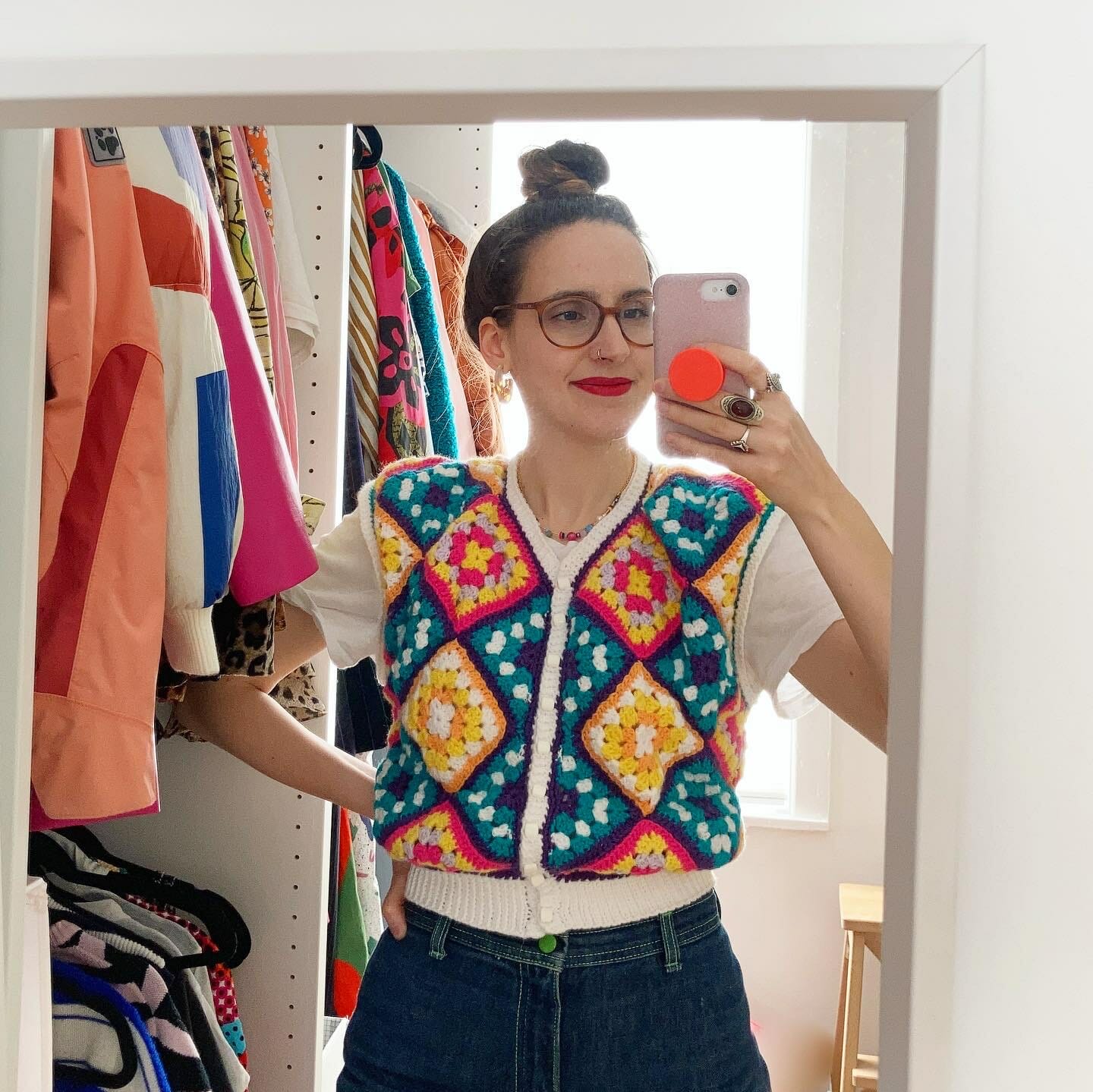
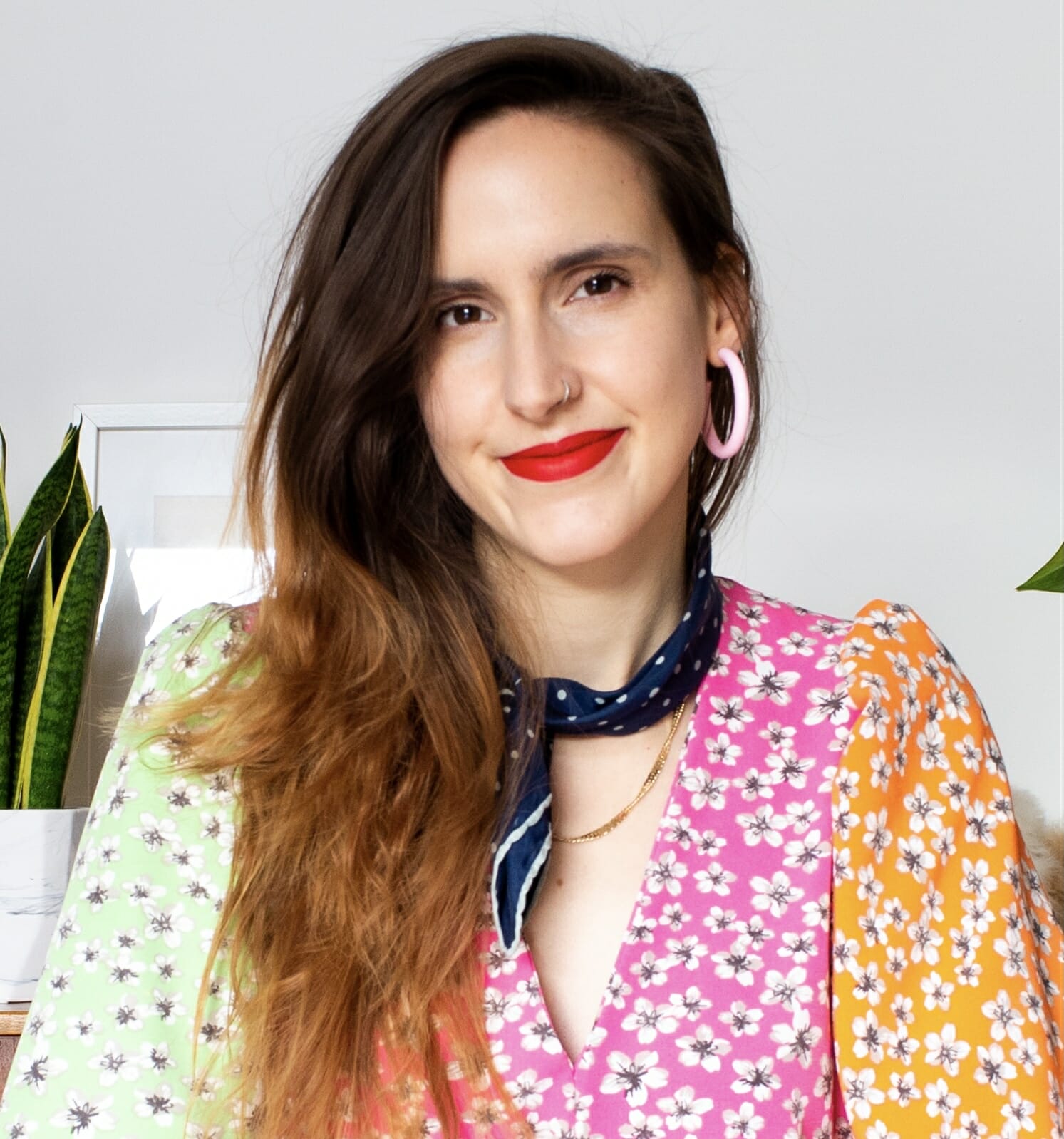
Sophie Benson (@sophiebenson) is a freelance journalist working with a focus on sustainable fashion, the environment, consumerism, and workers’ rights. She writes for publications including The Guardian, The Independent, Dazed, and AnOther. But today she is in the seat of the interviewee. We asked Sophie about what ethical fashion means to her, what struggles she has faced on the path to a more sustainable lifestyle, and who is her inspiration source.
How did you get into fashion and sustainable fashion in particular?
I’ve been into clothes and style for as long as I can remember. It was always how I made sense of myself and understood who I am. But I never really considered fashion as a career until a friend of mine suggested I study fashion at college. It just clicked. I went on to study fashion design at university and then worked as a freelance stylist.
During my studies, I started to pick up on bits and pieces about the supply chain and waste, but we weren’t taught very much. It was really through my own research – reading books and articles, watching documentaries, and freelancing for some not-so-great fast fashion brands – that I realised there was an alternative way of doing fashion that was fairer and kinder.
What is your goal and who is your audience?
My goal really is just to let readers know the truth about fashion in an accessible, non-judgemental way. There is so much misinformation out there, I want to unpick it all and help the people who read my articles to understand it.
What has been the biggest learning curve in your professional growth?
I’ve had to learn to question everything. Of course, I question the PR spin from brands, but I also have to question the research and the facts. There are lots of oft-repeated lines out there about emissions, environmental impact, resource-usage and so on but I’ve learnt that it’s just as much my job to check on those as it is to check on brand claims.
What are the biggest misconceptions about what you do?
I think because I write for some well-known publications and publicly state that I don’t buy fast fashion, people assume I have quite a fancy, well paid job – I do not! I like my job a lot and I’m proud of my work but most of my writing is done in baggy, comfy clothes at home and I earn a lot less than I thought I would at this stage of my life, because I refuse to take on any projects from brands or publications who don’t align with my values.
What’s a day in your life like?
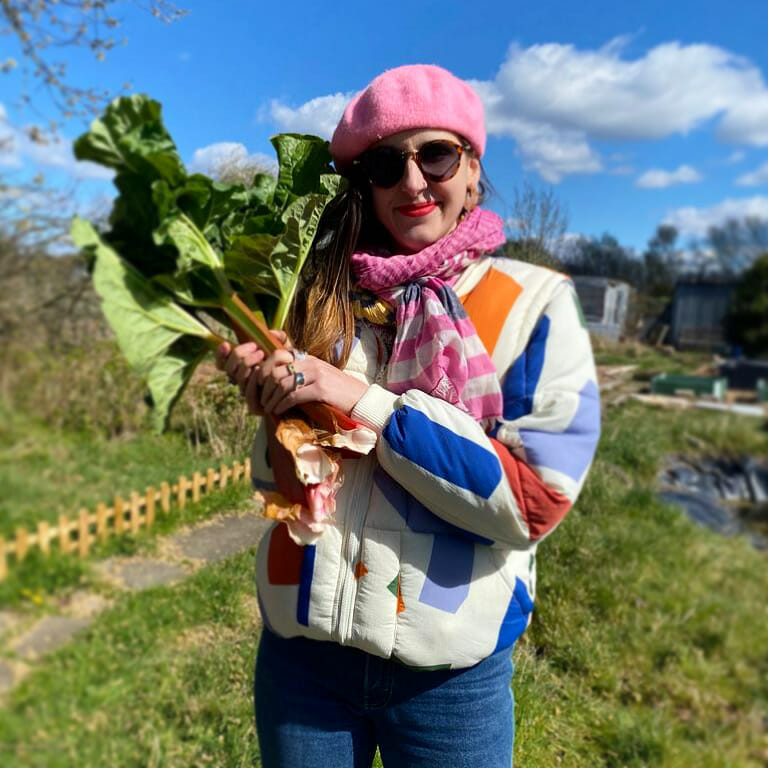
Because I’m freelance it does vary, but generally I get up and have scrambled tofu on toast and a coffee, do a little bit of work or reply to some emails, then do my exercise for the day. Then I get dressed (normally in those baggy, comfy clothes!) and I’ll either be writing reports or articles, interviewing sources, transcribing interviews, or proofing and editing. Once I’ve finished work, I normally practice piano at some point. I try to go to my allotment a few times a week and I like to do crafty, textile-related things like sewing, crocheting, or weaving. Of course, sometimes I’ll just switch my brain off and watch TV!
Who inspires you?
I’m really inspired by unions, garment workers, and people on the ground pushing for policy changes and legislation. They’re on the front line, so to speak, risking their income, and even their lives, to create better standards for themselves and others. Given the threats they’re up against, I think their actions are beyond admirable and I dream of having just a fraction of the impact that they do.
Who is someone you want us to know?
It was too hard for me to pick an individual because I would immediately feel terrible for leaving so many people off the list. So instead, I’ll choose an organisation: Clean Clothes Campaign. Worker-centred rather than speaking for people, it does a huge amount of work in improving conditions in the garment industry. It’s also an incredible source of information if you want to understand more about the industry from a global perspective.
One sustainable product you can’t live without?
It’s not a product exactly, but I’m going to say my allotment. It’s taught me so much about nature and how everything feeds into everything else. And it’s somewhere to escape to when staring at the computer gets a bit much.
One eco-friendly habit you wish everyone practiced?
I really wish everyone would repair their clothes. There are lots of reasons why we don’t – like perceptions of value, lack of time and resources, and not being taught the skills – but if it were possible, I wish it would become the norm. Not only does it prolong the life of clothes and keep them out of the bin, but it connects you to what you wear on a completely different level and increases the value you see in your clothes. I’ve got so much joy out of repairing and adapting my clothes.
What does sustainability mean to you?
It means working within the boundaries of our planet and understanding that resources are finite and acting accordingly. It means having respect for natural resources, for labour, for Indigenous knowledge, and for future generations who deserve to live on a healthy, abundant planet.
Editor’s Note: The opinions expressed here by Impakter.com columnists and contributors are their own, not those of Impakter.com. — In the Featured Photo: Sophie Benson Featured Photo Credit: Sophie Benson