Tourism is among Europe’s most dynamic and prominent industries, stimulating local economies, generating jobs, and promoting cultural exchange. However, it also puts pressure on fragile ecosystems, drives resource overconsumption, and can threaten the authenticity of local communities and destinations.
To address these challenges, the European Commission launched the Sustainable EU Tourism – Shaping the Tourism of Tomorrow project (2023-2025) whose goal is to help destinations across Europe embrace sustainability and resilience, in line with the Transition Pathway for Tourism, in the run-up to the upcoming EU Strategy for Sustainable Tourism, to be presented by European Commissioner Apostolos Tzitzikostas in 2026.
The project revolves around three main pillars: identifying challenges and best practices, connecting destinations facing similar issues, and raising awareness among operators and tourists. It works directly with local destinations, where both the impacts of tourism and the responses to them are most tangible.
Four dimensions of sustainability for European destinations
The project’s work is built around four dimensions: environmental, economic, socio-cultural, and governance. The Project’s challenge report highlights how destinations are facing multiple and overlapping pressures: carbon emissions and ecosystem degradation, economic dependency and seasonality, unbalanced tourism development, threats to cultural authenticity, and governance gaps that hinder coordinated policies and actions.
In response, the project compiled 50 best practices, concrete examples of how destinations are already experimenting with tangible solutions and responding in innovative and effective ways. It equips tourism destinations with best practices they can adapt to their own context. Examples of these solutions include carbon-neutral mobility systems, renewable energy investments, and circular waste management to reduce environmental pressures; diversification strategies and digital tools to strengthen local economies; community-led projects and inclusive tourism initiatives to safeguard cultural vitality; and participatory governance models bringing stakeholders together under a shared vision.
Framed in this way, sustainable destination management becomes a pathway to resilience and competitiveness, matching travellers’ growing demand for responsible experiences.
Collaboration and twinning among destinations
Research lays the first pillar, but it is collaboration that builds the second. Drawing on its findings, the project launched a twinning initiative connecting destinations that face similar challenges, from coastal destinations to urban centres and mountain communities, diverse in size and maturity. In-person meetings represented the core of this exchange, underlining that, even in a world moving towards online interactions, face-to-face engagement remains the most effective way to establish meaningful partnerships.
Through workshops, destinations co-developed solutions, shared experiences and benefited from the cross-fertilization of ideas. A workshop report from the initiative highlights the importance of these relationships in addressing challenges that no single destination can tackle alone. It presents the main outcomes, including jointly developed projects and the diverse perspectives applied to advance sustainability and resilience. The Twinning Toolkit captures the co-design thinking activities, peer-to-peer exchanges and collective prioritization processes that guided the initiative, offering guidance for other stakeholders wishing to replicate the approach.
The project does not end here. It looks beyond, aiming to support destinations in promoting sustainable tourism practices and inspiring change through its Communication Toolkit.
Related Articles: EU Rolls Out New Toolkit for Sustainable Tourism | Tourism and the Environment: From a One Health Perspective | Can Artificial Intelligence Make the Travel Industry Sustainable?

Why does it matter
Tourism has always been a two-sided coin. It can generate economic prosperity, celebrate culture, and support communities, or it can lead to degradation and imbalance. The Sustainable EU Tourism project acknowledges both sides and provides a framework to tip the balance toward sustainability, offering tools for operators, guidance for policymakers, and opportunities for communities seeking to preserve cultural identity and improve quality of life.
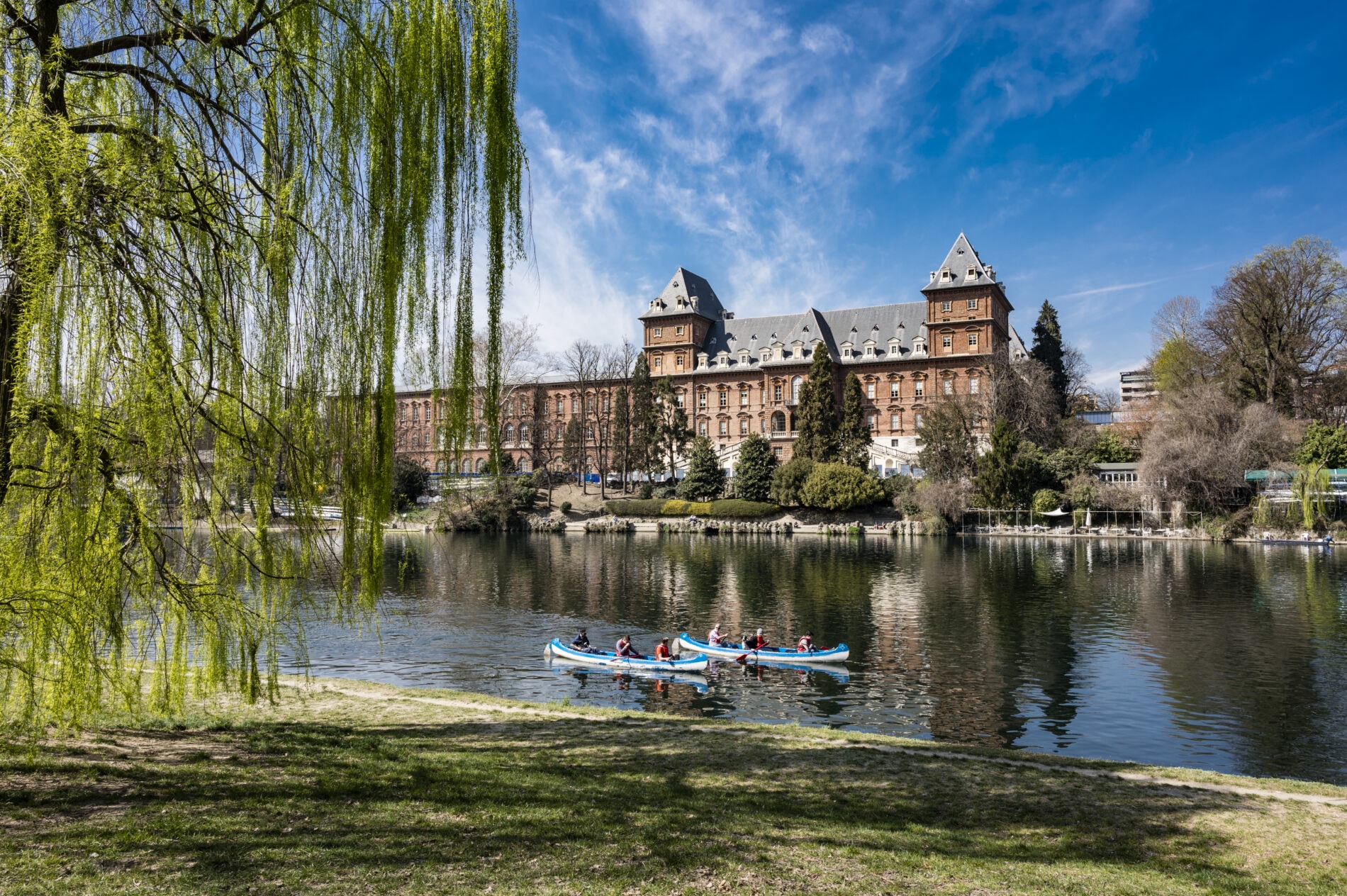
This shift is also reflected in broader EU initiatives, such as the European Capital and European Green Pioneer of Smart Tourism awards, which recognize cities excelling in digital and green transition practices – for example, the 2025 winners Torino and Benidorm.
Ultimately, the project reminds us that sustainability in tourism is not an endpoint but a journey of learning, adaptation, and collaboration – and delivers valuable insights, as we look forward to the upcoming EU Strategy for Sustainable Tourism.
About the authors:
Alessio Sidoti
Alessio Sidoti is a Manager at Intellera Consulting and holds a PhD in Tourism Management from the University of Santiago de Compostela, with a focus on participatory governance and sustainable development. He has extensive experience in managing national and international tourism projects for clients such as the European Commission, OECD, national ministries, and local public authorities. His work combines academic insight and practical expertise to promote digital, sustainable, and resilient tourism policies.
LinkedIn: https://www.linkedin.com/in/alessio-sidoti/ | Mail: alessio.sidoti [at] intelleraconsulting.com
*
Beatrice Dorenti
Beatrice is a senior consultant at Intellera (part of Accenture) with experience in EU policy studies and projects on tourism and media for the European Commission. She specializes in quali-quantitative research and stakeholder engagement activities, with a background in economics and management of culture from Bocconi University.
LinkedIn: https://www.linkedin.com/in/beatricedorenti/ | Mail: beatrice.dorenti [at] intelleraconsulting.com
*
Alberto Venditti
Alberto is a Senior Associate at Intellera (part of Accenture), specialising in tourism, digital innovation, and AI governance. He has contributed to several EU-funded initiatives supporting tourism destinations in their transition toward sustainability, resilience, and smart management, while also advising public bodies on AI ethics and compliance with the EU AI Act. He holds a double degree in International Business and is certified in AI governance by BSI Group.
LinkedIn: https://www.linkedin.com/in/alberto-venditti/ | Mail: alberto.venditti[at]intelleraconsulting.com
*
Giulio Devalle
Giulio Devalle is an associate at Intellera (part of Accenture), where he works on project management and policy evaluation for various EU projects, including Sustainable EU Tourism and Deploytour – the European tourism dataspace. He holds an MSc in Economics and Management of Government and International Organisations from Bocconi University.
LinkedIn: https://www.linkedin.com/in/giulio-devalle-51811a1b2/ | Mail: giulio.devalle@intelleraconsulting.com
Editor’s Note: The opinions expressed here by the authors are their own, not those of impakter.com — In the Cover Photo: Featured in the project report: Benidorm, Spain, 2025 European Green Pioneer of Smart Tourism, © Visit Benidorm. Cover Photo Credit: European Commission