Impakter
  • Environment
    • Biodiversity
    • Climate Change
    • Circular Economy
    • Energy
  • FINANCE
    • ESG News
    • Sustainable Finance
    • Business
  • TECH
    • Start-up
    • AI & Machine Learning
    • Green Tech
  • Industry News
    • Entertainment
    • Food and Agriculture
    • Health
    • Politics & Foreign Affairs
    • Philanthropy
    • Science
    • Sport
  • Editorial Series
    • SDGs Series
    • Shape Your Future
    • Sustainable Cities
      • Copenhagen
      • San Francisco
      • Seattle
      • Sydney
  • About us
    • Company
    • Team
    • Partners
    • Write for Impakter
    • Contact Us
    • Privacy Policy
No Result
View All Result
Impakter logo
No Result
View All Result
recycling coffee grounds

How Startup EcoBean Recycles Coffee Grounds

Polish startup EcoBean brings circular economic strategy to coffee waste by collecting, recycling and repurposing spent coffee grounds

Amy LewisbyAmy Lewis
December 29, 2023
in Start-up
0

Perhaps a lesser-known environmental issue, your morning coffee is likely contributing to climate change – in fact, the 2.25 billion cups of coffee drunk every day create 560,000 tonnes of coffee grounds waste, most of which ends up in landfills and releases CO2 and methane if improperly processed.

One startup came up with a way to solve this: removing the beans from coffee. Atomo coffee pioneered beanless coffee using alternative ingredients to produce a similar taste and caffeine level as coffee. Implementing beanless coffee quickly on a wide scale, however, would be near impossible.

That’s where EcoBean comes in. The Polish startup is working to promote sustainability in the coffee value chain by recycling used coffee grounds, before turning these grounds into home-wear, coffee-related products or other supplies.

Products, projects and partnerships

EcoBean’s product list includes biodegradable flower pots made half from used coffee grounds and half from biodegradable polymer, meaning they can be put in the ground with any plant and will biodegrade within six to 12 months.

The startup also produces eco straws made entirely from recycled used coffee beans and “lucky cups” – eco-friendly cups made from coffee waste whose profits go toward supporting small-scale coffee farmers in Ethiopia.

The startup’s efforts aren’t only focused on manufacturing goods out of recycled coffee grounds: EcoBean also holds many partnerships that aim to collect coffee grounds from other businesses, to prevent the grounds from heading to landfill.


Related articles: Is Beanless Coffee the Future?, Koffeco, Bringing Circular Economy To The Coffee Industry

“[The] main goal is a significant reduction of carbon footprint for coffee serving points,” says CEO and Founder of EcoBean Marcin Koziorowski.

According to EcoBean’s website, these serving points include PRIO gas station mini-markets in Portugal, in which the coffee waste is now managed in partnership with EcoBean, as well as the EDGE Suedkreuz building, whose waste management system is run by Vattenfall, a sustainable waste utilisation company. 

With EDGE and Vattenfall, EcoBean is working to implement a circular waste solution, in which coffee waste is used to produce objects used in the Suedkreuz building by Vattenfall employees.

How successful could recycling coffee beans become?

EcoBean has been noted by the EU Startups magazine as one of Europe’s 20 most promising startups focused on sustainability – an impressive feat that assures the potential of the startup. 

What’s more, their funding is admirable. EcoBean announced in October of this year the raising of seven million euros to pioneer the biorefinery for a full valorisation of coffee grounds – in other words, seven million euros to develop technology to process coffee grounds. 

“I am glad that EcoBean has received funding that will allow the development of a biorefinery, accelerate the achievement of a profitable business model and lead to a reduction of the negative impact on the environment, which is particularly important in the face of the climate crisis. I am also satisfied that EcoBean has been recognized for the innovative solutions that help accelerate the circular economy,” says Marcin Korolec, Member of the Advisory Board at EcoBean. (bolding added)

These funds come from the European Funds for a Modern Economy (FENG) program. Out of over 1,500 applications for this funding, only 198 projects, including EcoBean, were chosen. 

So, not only will these funds help EcoBean to develop the technology they need, but their recognition by the FENG program marks the startup as one to watch. 

“At EcoBean, we firmly believe that this development heralds new possibilities in sustainable innovations and waste processing, with the EcoBean Technology Center poised to become a symbol of progress and a sustainable future.“

— Marcin Koziorowski, CEO and Co-founder of EcoBean

While EcoHub’s mission is important and their technological advances funded by the FENG program, the startup was only founded in 2018, and we may want to give the startup time to flourish before heralding coffee grounds recycling as a key tool in battling climate change.


Editor’s Note: The opinions expressed here by the authors are their own, not those of Impakter.com — In the Featured Photo: Coffee grounds. Featured Photo Credit: Lukasz Rawa.


Tags: Climate ChangeCoffeeCoffee ground recyclingEcoBeanrecycling coffee beans
Previous Post

Globalization vs. Nationalism: Why There’s No Winner

Next Post

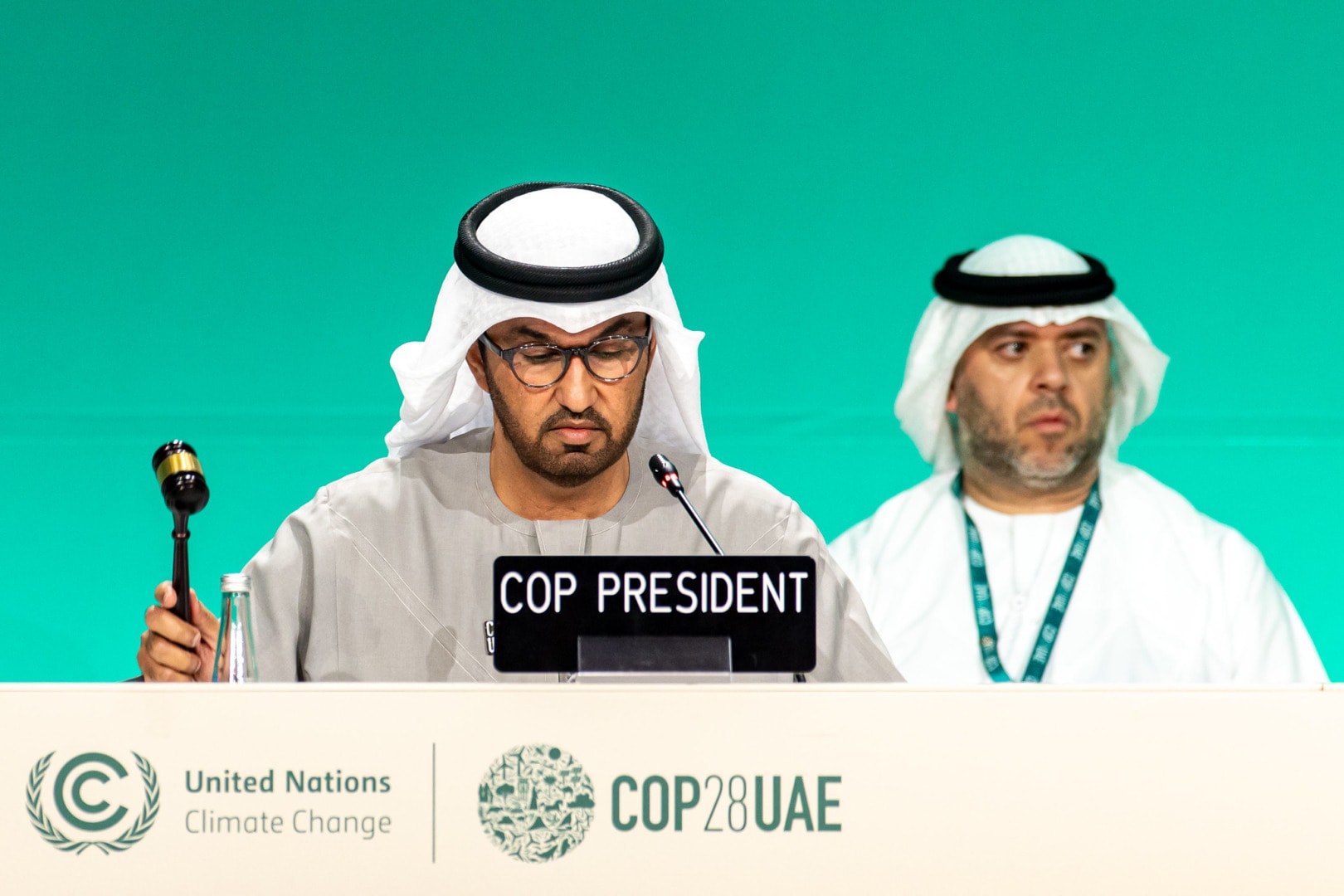
COP28: Our Biggest Failure in 2023 

Related Posts

Coal plants get reprieve on mercury limits, Striking unions fail to halt Milei's sweeping labor bill, Sweden's regulator reviews Swedbank's compliance controls, France backs INEOS decarbonization with €300M
Business

Trump Admin Weakens Coal Plant Mercury Regulations

Today’s ESG Updates: Coal Plants Get Reprieve on Mercury Limits: Trump's EPA is rolling back mercury emission limits to cut...

byEge Can Alparslan
February 20, 2026
How Climate Change Is Reshaping Arctic Geopolitics
Climate Change

How Climate Change Is Reshaping Arctic Geopolitics

Once a remote and largely inaccessible region, the Arctic has become the focus of far-reaching international developments. In recent years, competition among...

byPier Paolo Raimondi - Senior Researcher at the Energy, Climate and Resources (ECR) Program of the Istituto Affari Internazionali (IAI)
February 20, 2026
How an Intersectional Approach Can Help Us Address Vulnerability to Climate Change
Climate Change

How an Intersectional Approach Can Help Us Address Vulnerability to Climate Change

Different forms of discrimination and marginalization — such as racism, ableism, and discrimination on the basis of gender identity —...

byInternational Institute for Sustainable Development (IISD)
February 20, 2026
biodiversity loss
Biodiversity

The Economics of Biodiversity Loss

In the 1990s, India’s vulture population collapsed due to the unintended knock-on effect of a veterinary drug for cattle, with...

byStefano Giglio - Professor at Yale Universityand2 others
February 18, 2026
ESG news on TotalEnergies climate trial, Heathrow SAF incentives, Shein EU probe, EU climate resilience gap
Business

TotalEnergies Climate Trial Shock

Today’s ESG Updates TotalEnergies Climate Trial: French prosecutors intervene to defend TotalEnergies in a landmark climate lawsuit, challenging environmental groups’...

byEve Rogers
February 18, 2026
Underwater Wall to Protect the ‘Doomsday Glacier’: Necessary Intervention or Costly Distraction?
Climate Change

Underwater Wall to Protect the ‘Doomsday Glacier’: Necessary Intervention or Costly Distraction?

Thwaites Glacier in Antarctica earned its dramatic nickname, the “Doomsday Glacier,” because its collapse could trigger a catastrophic rise in...

byBenjamin Clabault
February 17, 2026
Can Human Behavior Explain the Recent Spike in Shark Attacks?
Environment

Can Human Behavior Explain the Recent Spike in Shark Attacks?

In January, headlines were dominated by the four shark bites occurring within 48 hours off Australia’s coast. This is not...

byLena McDonough
February 17, 2026
ESG News regarding Trump’s move to dismantle vehicle regulation; ESB acting against unsustainable banks; Solar and wind energy becoming expensive; Strikes in Kenya
Business

ECB Fines Crédit Agricole for Climate Risk Management Failure

Today’s ESG Updates: ECB Fining Crédit Agricole Over Sustainability Issues: Banks are expected to embed climate risks into credit risk...

byFedor Sukhoi
February 17, 2026
Next Post
COP28: Our Biggest Failure in 2023 

COP28: Our Biggest Failure in 2023 

Recent News

A woman going through the checking account guide

How Checking Accounts Work: Simple Steps to Get Started Fast

February 20, 2026
Coal plants get reprieve on mercury limits, Striking unions fail to halt Milei's sweeping labor bill, Sweden's regulator reviews Swedbank's compliance controls, France backs INEOS decarbonization with €300M

Trump Admin Weakens Coal Plant Mercury Regulations

February 20, 2026
Crowds and filmmakers on the red carpet at the 76th Berlin International Film Festival in 2026

At Berlinale 2026, Artists Refuse the Comfort of Neutrality

February 20, 2026
  • ESG News
  • Sustainable Finance
  • Business

© 2025 Impakter.com owned by Klimado GmbH

No Result
View All Result
  • Environment
    • Biodiversity
    • Climate Change
    • Circular Economy
    • Energy
  • FINANCE
    • ESG News
    • Sustainable Finance
    • Business
  • TECH
    • Start-up
    • AI & Machine Learning
    • Green Tech
  • Industry News
    • Entertainment
    • Food and Agriculture
    • Health
    • Politics & Foreign Affairs
    • Philanthropy
    • Science
    • Sport
  • Editorial Series
    • SDGs Series
    • Shape Your Future
    • Sustainable Cities
      • Copenhagen
      • San Francisco
      • Seattle
      • Sydney
  • About us
    • Company
    • Team
    • Partners
    • Write for Impakter
    • Contact Us
    • Privacy Policy

© 2025 Impakter.com owned by Klimado GmbH