Impakter
  • PARTNERS
  • ABOUT US
    • Our Story
    • Team
    • Write for Impakter
    • Contact Us
    • Privacy Policy
No Result
View All Result
  • Climate
  • Business
  • Energy
  • Tech
  • Politics
  • Health
  • Food & Agriculture
  • Society
  • Climate
  • Business
  • Energy
  • Tech
  • Politics
  • Health
  • Food & Agriculture
  • Society
No Result
View All Result
Impakter
No Result
View All Result

From Where I Stand: Nahimana Fainesi

byUN Women
August 1, 2017
in Equal Rights, SDG Series, United Nations
EDITOR’S NOTE:  THIS PIECE IS AUTHORED BY UN WOMEN AS PART OF THE SERIES “FROM WHERE I STAND”, WHICH CAPTURES PEOPLES STORIES AND THEIR DAILY SUSTAINABLE DEVELOPMENT CHALLENGES FROM AROUND THE WORLD. SEE THE FULL SERIES HERE. 

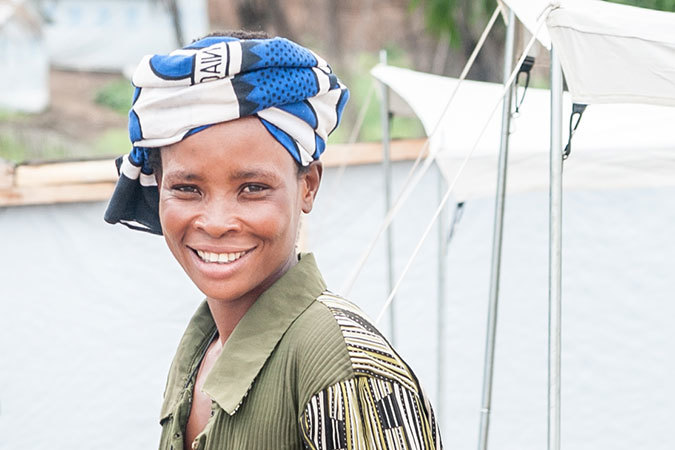
“This is my second time living in communal camps, second time running away from civil war to protect myself. What made me leave [Burundi] was the problem of random people invading others’ homes, attacking those without husbands. They would enter with knives. Before they kill you, they would first rape you. When I saw those attacks, and people dying, I left with my one-year-old son. I didn’t have the chance to get all my children because it was a case of everyone for themselves, running for their lives.

This is my second time living in communal camps, second time running away from civil war to protect myself.

When I got to the Lusenda Camp [in Democratic Republic of the Congo], I had no hope. UN Women gave me hope, motivation and empowerment. After some time, I was appointed committee member of the women’s group. I found a job [through a cash-for-work programme] and that money helped me cross back to get my children. I have five children—four girls and one boy.

Camp life is another challenge. Two of my children have now matured into young women. When they go walking around, I remain in constant fear, because at any time they could get raped. The food is also insufficient and gets depleted even before the next ration.

I survive by farming to get a little cash. Women farm together, growing several types of crops. Once they are ready to be harvested, we sell the produce. One must always think about how you can get your hands dirty to attain your goals and feed your family. Happiness begins with you.”

Nahimana Fainesi [Finess], 30,  fled her native Burundi in July 2015 and has since been living in the Lusenda refugee camp in Fizi, Democratic Republic of Congo. She works as a farmer in a UN Women cash-for-work programme there, which is funded by the Government of Japan. Her work is directly related to Sustainable Development Goal 2, which seeks to end hunger and ensure access by all people, in particular people in vulnerable situations, to safe, nutritious and sufficient food; and SDG 16, on promoting peaceful and inclusive societies for sustainable development.

IMPAKTER EDITORS NOTE: OVER THE NEXT TWO MONTHS, EVERY TUESDAY, IMPAKTER WILL BE REPUBLISHING SELECTED ARTICLES FROM THE UN WOMEN “FROM WHERE I STAND” EDITORIAL SERIES.  FEATURED PHOTO CREDIT: UN WOMEN/Catianne Tijerina
Share
WhatsApp LinkedIn X Facebook
Tags: Burundicivil warEqual Rightsfemale empowermentGender equalityUN Women
Previous Post

What Does Better World Fashion Look Like

Next Post

The Art of Fighting Climate Change

UN Women

UN Women

UN Women is the United Nations entity dedicated to gender equality and the empowerment of women. A global champion for women and girls, UN Women was established to accelerate progress on meeting their needs worldwide. UN Women supports UN Member States as they set global standards for achieving gender equality, and works with governments and civil society to design laws, policies, programmes and services needed to ensure that the standards are effectively implemented and truly benefit women and girls worldwide. It works globally to make the vision of the Sustainable Development Goals a reality for women and girls and stands behind women’s equal participation in all aspects of life.

Next Post

The Art of Fighting Climate Change

Related News

Workers on a site measuring solar panels.

Georgia Solar Complex Turns Republican Heads

September 11, 2026
100 Greenpeace activists delivered 500 solar panels with a total area of over 800 square metres to BP’s London Headquarters in St James’ Square. All six office doors around the building have been blocked with activists locked to dirty oil barrels to prevent staff from entering. Photo Credit: © Suzanne Plunkett / Greenpeace

Who Protects Environmental Defenders? Interview with UN Special Rapporteur Michel Forst

September 11, 2026

Impakter informs you through the ESG news site and empowers your business CSRD compliance and ESG compliance with its Klimado SaaS ESG assessment tool marketplace that can be found on: www.klimado.com

Registered Office Address

Klimado GmbH
Niddastrasse 63,

60329, Frankfurt am Main, Germany


IMPAKTER is a Klimado GmbH website

Impakter is a publication that is identified by the following International Standard Serial Number (ISSN) is the following 2515-9569 (Printed) and 2515-9577 (online – Website).


Office Hours - Monday to Friday

9.30am - 5.00pm CEST


Email

stories [at] impakter.com

By Audience

  • TECH
    • Start-up
    • AI & MACHINE LEARNING
    • Green Tech
  • ENVIRONMENT
    • Biodiversity
    • Energy
    • Circular Economy
    • Climate Change
  • INDUSTRY NEWS
    • Entertainment
    • Food and Agriculture
    • Health
    • Politics & Foreign Affairs
    • Philanthropy
    • Science
    • Sport
    • Editorial Series

ESG/Finance Daily

  • ESG News
  • Business

About Us

  • Team
  • Partners
  • Write for Impakter
  • Contact Us
  • Privacy Policy

© 2026 IMPAKTER. All rights reserved.

No Result
View All Result
  • Climate
  • Business
  • Energy
  • Tech
  • Politics
  • Health
  • Food & Agriculture
  • Society

© 2026 IMPAKTER. All rights reserved.