Today’s ESG Updates
- South Korea Passes Shareholder Reform: New revisions to the Commercial Act enable minority shareholders to elect board representatives.
- Trump Halts Ørsted Offshore Wind Project: Trump Administration orders construction halt on Danish wind giant’s $9B project in Rhode Island.
- Sweden Considers Paying Forest Owners for Carbon Storage: Proposal sparks clash between climate goals and timber industry over forest use.
- Taiwan Rejects Nuclear Referendum: Fewer than 25% of voters approved of the nuclear referendum, but advanced atomic power remains on the table.
Klimado – Navigating climate complexity just got easier. Klimado offers a user-friendly platform for tracking local and global environmental shifts, making it an essential tool for climate-aware individuals and organizations.
South Korea strengthens shareholder rights with new corporate governance law
South Korea’s parliament has passed new revisions to the Commercial Act, requiring separate votes for audit committee appointments and enabling minority shareholders to elect board representatives. The reforms are driven by President Lee Jae Myung’s push to reduce the “Korea Discount,” which refers to lower valuations of Korean companies due to unclear governance structures. The revisions aim to increase transparency and accountability in large companies, long criticized for opaque governance. While the changes mark a win for investors seeking stronger oversight, business groups strongly oppose the revision due to heightened litigation risk and management disputes. Companies and investors can use ESG tools to benchmark governance risks and monitor shareholder rights.
***
Further reading: South Korea parliament passes amended bill to target low equity valuations
Trump blocks Ørsted U.S. wind farm, jeopardizing $9.4B plan
Danish wind giant Ørsted faces a major setback after the Trump administration ordered construction halted on its near-complete Revolution Wind project off Rhode Island. This decision could derail its planned $9.4 billion rights issue. With 80% of the project built and 45 of 65 turbines already installed, the stop-work order threatens both immediate financing plans and broader investor confidence in U.S. offshore wind. Trump has repeatedly attacked wind power since taking office, suspending new offshore leasing earlier this year and now escalating uncertainty around existing projects. Ørsted’s stock, already down 30% this month, is expected to plunge further as political risk overshadows clean energy growth.
***
Further reading: Orsted cash plan at risk as Trump government blocks US wind project
Sweden considers paying landowners to delay tree harvests for carbon storage

Sweden is debating a plan to pay forest owners to delay harvesting trees, aligning with EU targets to remove 310 million tons of CO₂ by 2030. Proponents argue forests provide biodiversity, recreation, and vital carbon sinks, while industry leaders warn the plan could eliminate raw materials, close sawmills, and threaten 7,200 jobs. The proposal, estimated at $248 million through 2030, has split lawmakers and industry. A potential risk of the proposal is that higher timber prices could incentivize overharvesting elsewhere. Meanwhile, carbon-credit startups like Arbonics are already signing contracts with landowners, signaling a shift toward new forest revenue models. The outcome will redefine how Sweden balances industrial supply chains with climate obligations.
***
Further reading: Climate Fight Breaks Out in Sweden Over Carbon Payments to Forest Owners
Taiwan nuclear referendum fails amid energy security debate
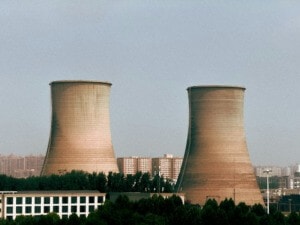
Taiwanese voters rejected a referendum to restart the Maanshan nuclear plant, the second-largest in generation capacity in the country, with fewer than 25% supporting the measure. Despite the strong disapproval of the referendum, President Lai Ching-te emphasized that there is still a possibility of adopting nuclear technologies in the future. Proponents argued a restart could ease dependence on imported fuel, support chipmakers, and strengthen energy security against Chinese threats, while critics pointed to safety and waste management concerns. Taiwan’s ruling party remains committed to phasing out nuclear, leaving the island more reliant on LNG imports even as global nuclear interest rises. Investors can use ESG tools to track regional energy transitions and assess opportunities in nuclear and renewable energy.
***
Further reading: Taiwan Referendum to Restart Nuclear Power Plant Fails
Editor’s Note: The opinions expressed here by the authors are their own, not those of impakter.com — In the cover photo: Lee Jae Myung, the 21st President of Republic of Korea. Cover Photo Credit: Republic of Korea