Impakter
  • Environment
    • Biodiversity
    • Climate Change
    • Circular Economy
    • Energy
  • FINANCE
    • ESG News
    • Sustainable Finance
    • Business
  • TECH
    • Start-up
    • AI & Machine Learning
    • Green Tech
  • Industry News
    • Entertainment
    • Food and Agriculture
    • Health
    • Politics & Foreign Affairs
    • Philanthropy
    • Science
    • Sport
  • Editorial Series
    • SDGs Series
    • Shape Your Future
    • Sustainable Cities
      • Copenhagen
      • San Francisco
      • Seattle
      • Sydney
  • About us
    • Company
    • Team
    • Global Leaders
    • Partners
    • Write for Impakter
    • Contact Us
    • Privacy Policy
No Result
View All Result
Impakter logo
No Result
View All Result
Scoop Carpooling in Seattle. Helping citizens during the “Seattle Squeeze”

Scoop Carpooling in Seattle. Helping citizens during the “Seattle Squeeze”

Alessandro du Besse' - Tech EditorbyAlessandro du Besse' - Tech Editor
January 10, 2019
in Society, Start-up, Tech
0

Carpooling apps are wildly popular given their significant positive impact not only on our daily lives, but on the environment as well. Sharing your ride with others means there are fewer vehicles on the road, thus generating fewer overall emissions than individual car journeys and making traffic move more smoothly. The largest carpooling app in the States is Scoop and we have reached out to Scoop’s CEO, Rob Sadow, again to talk about Scoop’s latest initiative: helping Seattle’s citizens get around during a significant traffic disruption that will start this Friday.

If you have visited Seattle, you are probably familiar with the city’s Alaskan Way Viaduct. This elevated double-decker freeway is a landmark on Seattle’s waterfront. Built in 1953 as part of State Route 99, the Alaskan Way Viaduct is still used by more than 90,000 vehicles daily.

But the lifetime of the Viaduct is coming to an end. A new, modern tunnel has been built underneath it and is nearly ready to be used; however, some realignment works are still required which will take approximately four weeks. Unfortunately, the closure of the Viaduct and the beginning of the demolition are set for Friday, January 11th.

With neither the tunnel nor the Viaduct available for use, the potential for heavy traffic jams is just around the corner. It has already been nicknamed the “Seattle Squeeze”, and Scoop hopes to play a significant role in  massively reducing the number of vehicles on the streets of the city, both during the “Squeeze” and hopefully beyond.
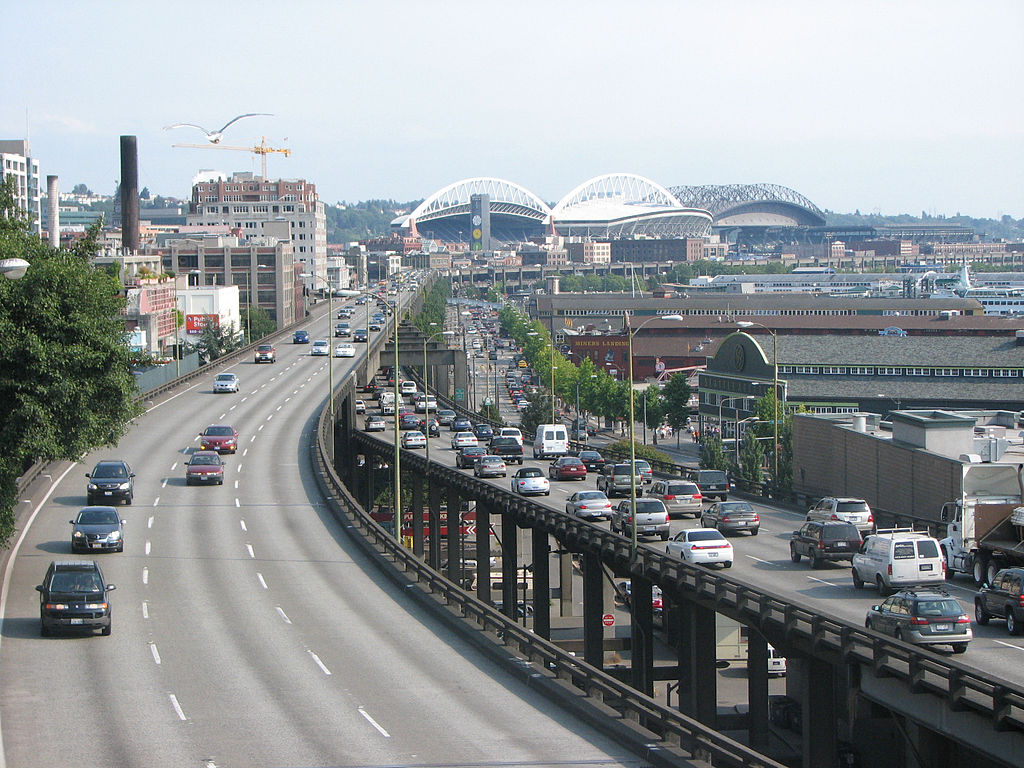
 

In the photo: A very busy Alaskan Way Viaduct. Photo Credit: Wikipedia

Scoop has been available in Seattle since last March. How many people have used Scoop so far? Are you happy with the numbers?

Rob Sadow: Yes, we’re happy with our work in the greater Seattle area over the past year – it’s one of our most active markets. In addition, we’ve seen increased interest in addressing drive alone rates, both from local enterprises and public entities.

How do you compare Seattle with other cities you are operating?

RS: It’s one of our most active markets, and continues to grow every day.

The Alaskan Way Viaduct demolition will have a massive impact on Seattle mobility and traffic. How is Scoop going to help with this issue? What initiatives are you taking?

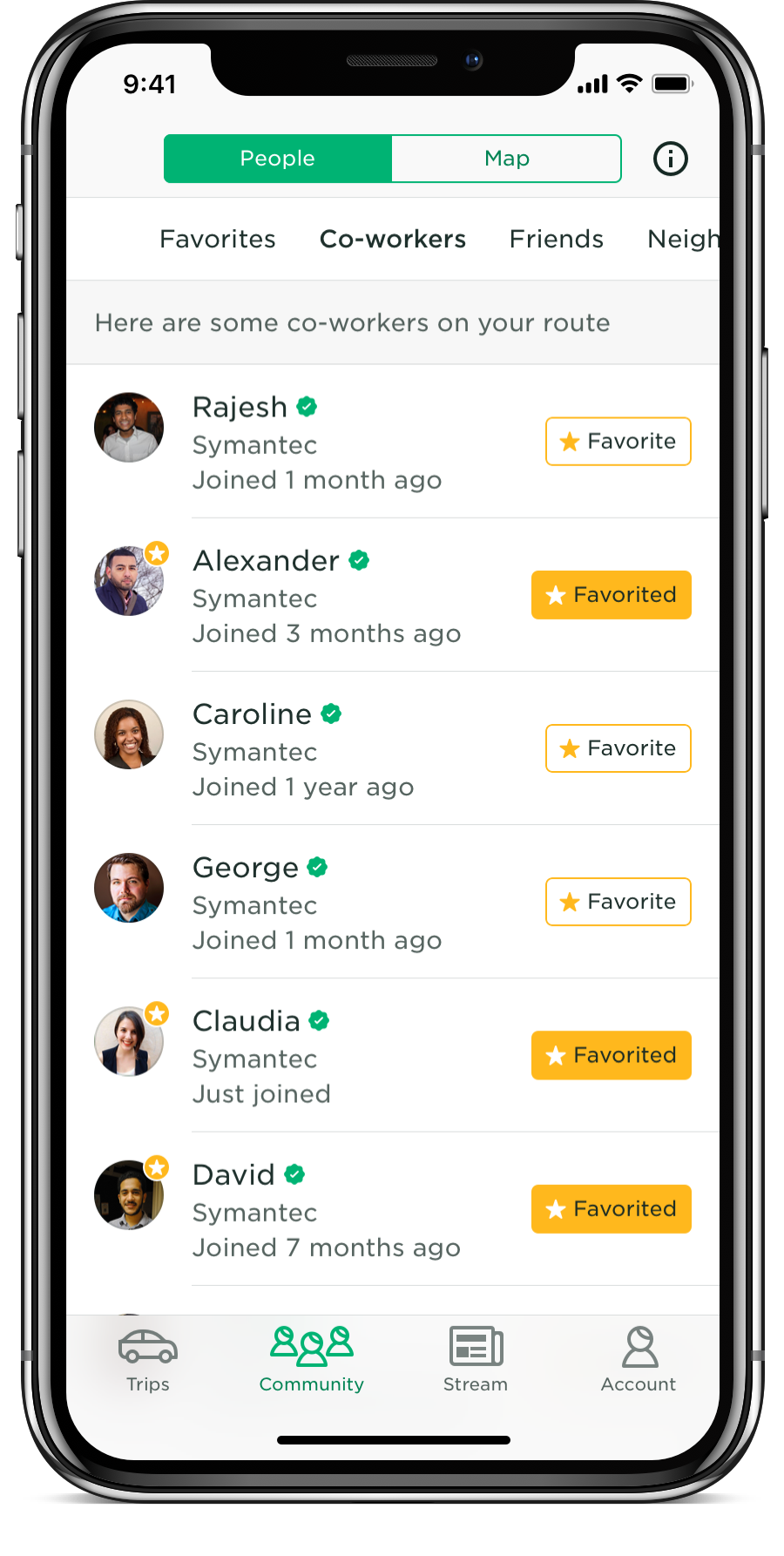
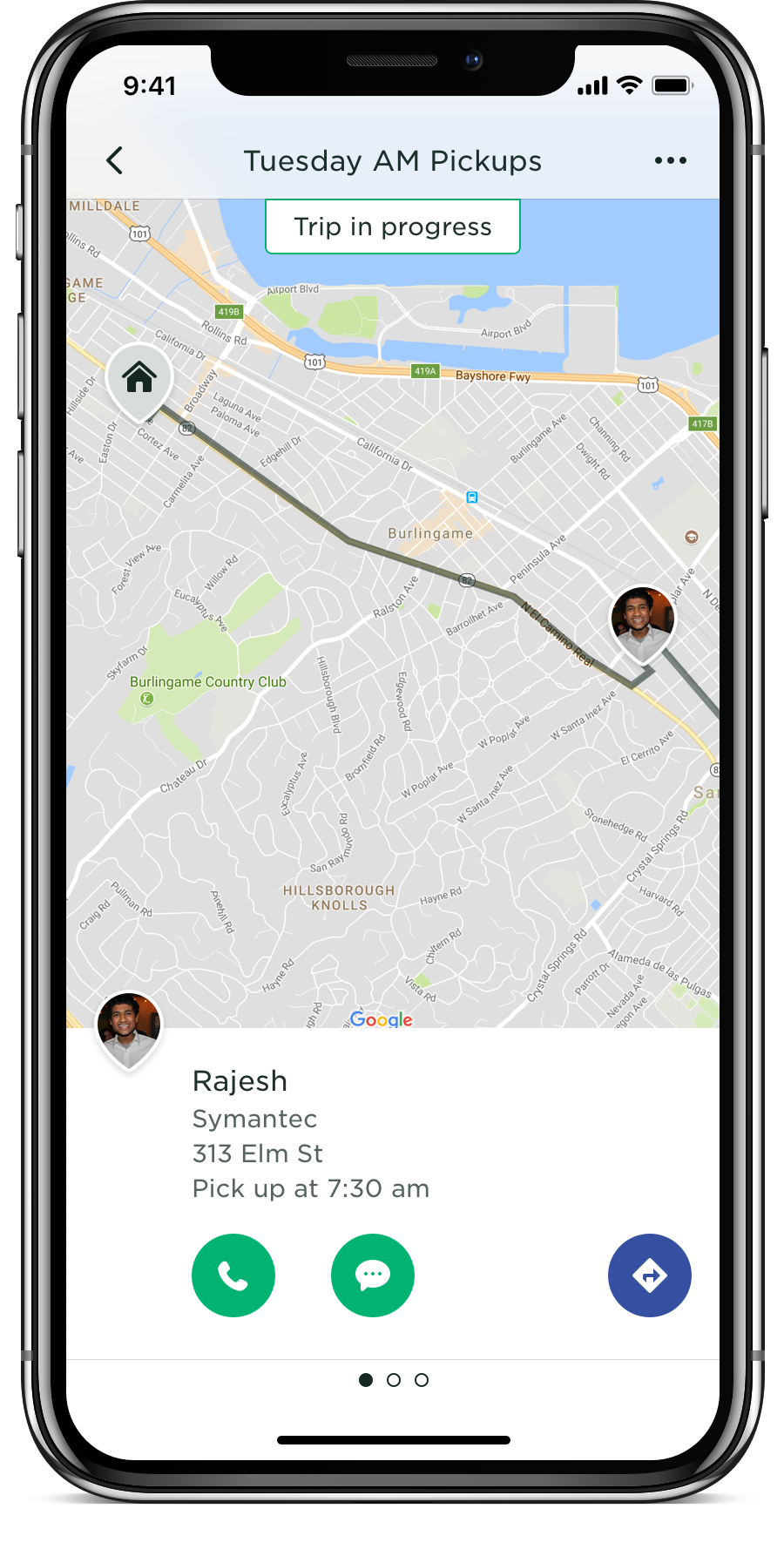
RS: Scoop is partnering with King County Metro to make it more convenient for commuters to carpool to and from work using the Scoop app, ultimately helping to remove vehicles from the road during the period of maximum constraint. Through this partnership, King County Metro will provide incentives to anyone who carpools with Scoop during the closure.
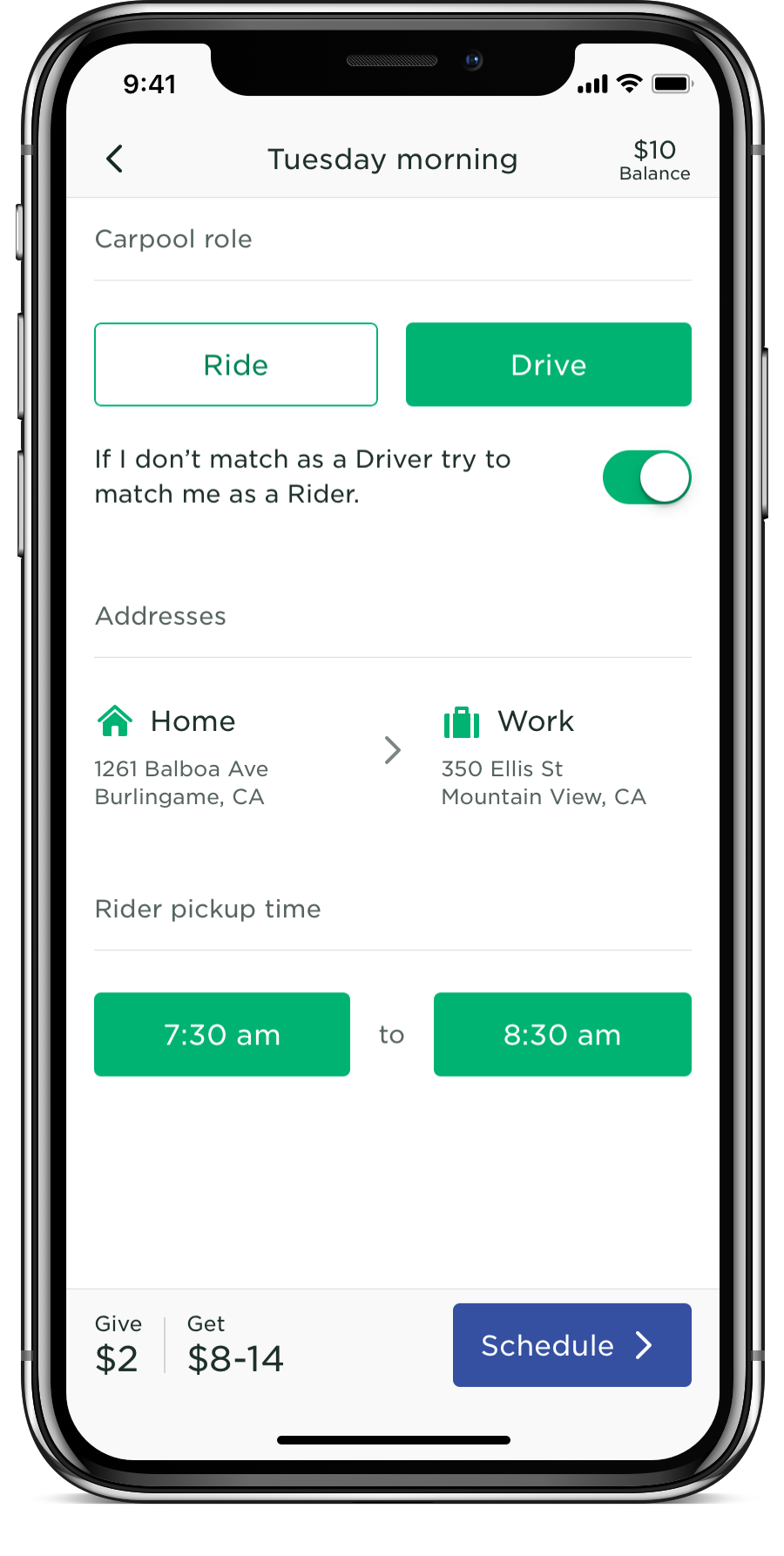
In the photo:  The Scoop App. Photo Credit:  Scoop

If successful, those initiatives could potentially be extended beyond the time needed for the demolition?

RS: Yes. The first project phase will last through the Viaduct closure. Depending on the results, Metro may consider a longer-term initiative.

Do you have other plans in mind for the Seattle area?

RS: Our primary focus is continuing to drive meaningful impact with our existing customers, and also expanding our work. We launched in Seattle in March 2017 and are working with both local employers and government agencies to bring convenient and enjoyable carpooling to commuters across the greater Seattle area. Our customers in Seattle include T-Mobile and Expedia and we expect that list to grow significantly in 2019.

In the photo:  Another view of the Alaskan Way Viaduct. Photo Credit: Wikipedia

Do you think, in the future, you could apply the same method to other cities where they expect temporary major congestions due to roadworks?

RS: Yes, Scoop can certainly replicate this partnership in other major metro areas with dense commuting corridors. In today’s increasingly busy world, our commutes are taking a toll on us – mentally, physically and emotionally. We’re excited about how this amplifies our existing partnerships with major employers in the region, and we’re proud to partner with King County to help provide an impactful carpooling solution to improve what is one of the most challenging parts of our day: our commutes.

Currently, Scoop has put more than four million carpools on the road across the greater San Francisco Bay Area, Seattle, Reno, and Portland. We hope to help commuters across the country make their commutes more enjoyable and efficient, ultimately helping them be happier and less stressed in their day-to-day lives.

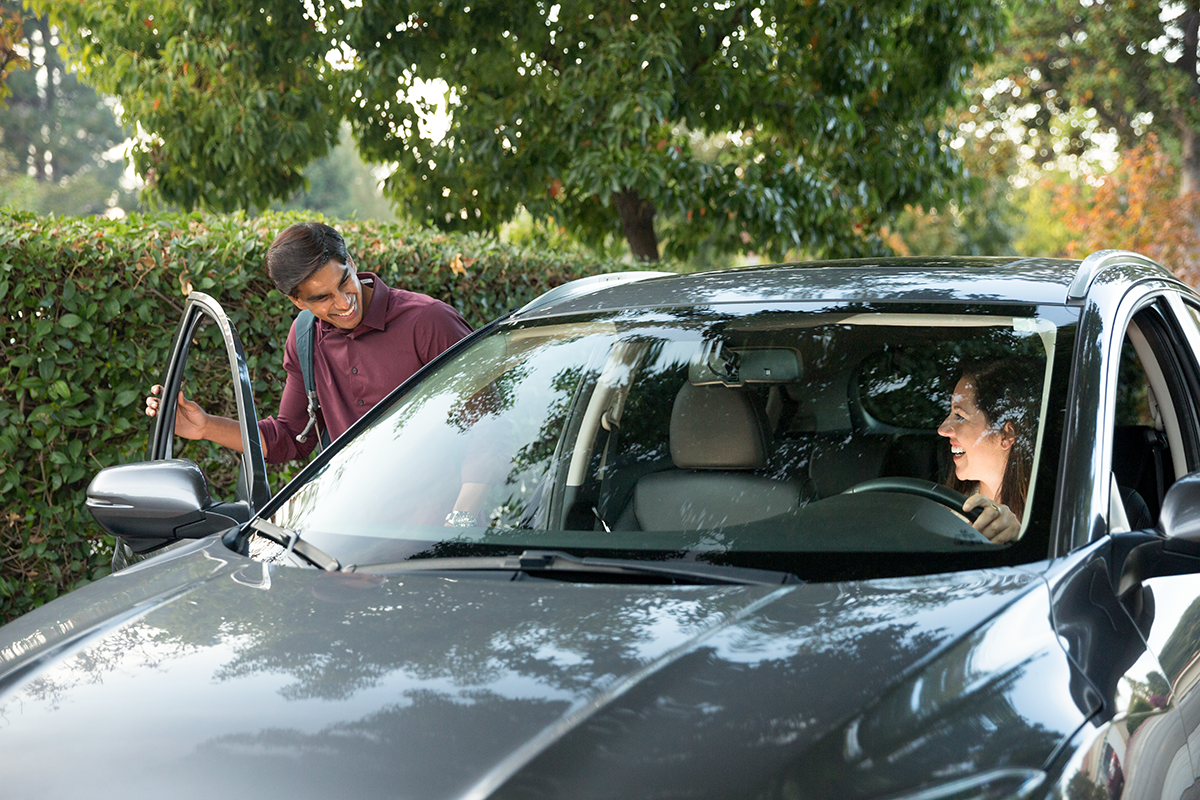
In the cover photo:  Some happy Carpoolers with Scoop. Photo Credit: Scoop

EDITOR’S NOTE: The opinions expressed here by Impakter.com columnists are their own, not those of Impakter.com

Tags: Alaskan Way ViaductAlessandro du Besse'carpoolingRob SadowScoopSeattlesustainable transportation
Previous Post

Sustainable Fisheries: Tackling Malnutrition and Deficiencies in One Go

Next Post

Yemen’s Conflict: The Struggle for a sustainable future

Related Posts

Startup infinium
Climate Change

Can Startup Infinium’s eFuels Bridge the Gap to Net-Zero Mobility?

For decades, the transportation sector has been a significant contributor to global greenhouse gas emissions and a major driver of...

byMax Perez
May 14, 2024
Coachella
Culture

How Sustainable Is Coachella?

Coachella is one of the biggest music and arts festivals in the world. But it’s also at risk of being...

byDiana Croce
January 18, 2024
A picture of a maybe sustainable thanksgiving with too much food on the table.
Lifestyle

How To Make Your Thanksgiving More Sustainable?

Thanksgiving is approaching fast; everyone travels to reach their loved ones and pre-orders an army's worth of food. As people...

byDiana Croce
November 22, 2023
Where Are Some of the World’s Most Sustainable Cities?
SDG Series

Where Are Some of the World’s Most Sustainable Cities?

Cities are home to 56% of the world's population (4.4 billion people). This trend is predicted to continue, with the...

byValentina Morando
May 16, 2023
Nvirovate Raises $750K to Make Packaging More Sustainable
Start-up

Nvirovate Raises $750K to Make Packaging More Sustainable

Nvirovate just raised $750K. VertueLab led this round through its Climate Impact Fund, and other investors included E8 Angels and...

byAlessandro du Besse' - Tech Editor
September 23, 2022
Robotaxi, The Autonomous & Electric Vehicle By Zoox
Society

Robotaxi, The Autonomous & Electric Vehicle By Zoox

Zoox is a startup from Silicon Valley working to launch autonomous and electric vehicles on the market. Their latest prototype...

byKenya Benitez
February 22, 2022
Disconnect your Life
Health

Disconnect your Life

Whether for work or lifestyle, we are constantly staring at our phones and checking our socials and email inboxes. There...

byAlessandro du Besse' - Tech Editor
January 1, 2021
A Social Network Against Climate Change? Meet We Don’t Have Time
Society

A Social Network Against Climate Change? Meet We Don’t Have Time

Could a private social network help to save our planet? This is what Ingmar Rentzhog CEO and Founder of We...

byAlessandro du Besse' - Tech Editor
May 24, 2019
Next Post
Yemen’s Conflict: The Struggle for a sustainable future

Yemen's Conflict: The Struggle for a sustainable future

Recent News

Marathoners

8 Must-Know Websites for Marathoners

January 16, 2026
Why Glyphosate, the World’s Most Widely Used and Sued Herbicide, Is Under New Scrutiny

Why Glyphosate, the World’s Most Widely Used and Sued Herbicide, Is Under New Scrutiny

January 16, 2026
The Imperative of a Nature-Positive Future

The Imperative of a Nature-Positive Future

January 16, 2026
  • ESG News
  • Sustainable Finance
  • Business

© 2025 Impakter.com owned by Klimado GmbH

No Result
View All Result
  • Environment
    • Biodiversity
    • Climate Change
    • Circular Economy
    • Energy
  • FINANCE
    • ESG News
    • Sustainable Finance
    • Business
  • TECH
    • Start-up
    • AI & Machine Learning
    • Green Tech
  • Industry News
    • Entertainment
    • Food and Agriculture
    • Health
    • Politics & Foreign Affairs
    • Philanthropy
    • Science
    • Sport
  • Editorial Series
    • SDGs Series
    • Shape Your Future
    • Sustainable Cities
      • Copenhagen
      • San Francisco
      • Seattle
      • Sydney
  • About us
    • Company
    • Team
    • Global Leaders
    • Partners
    • Write for Impakter
    • Contact Us
    • Privacy Policy

© 2025 Impakter.com owned by Klimado GmbH