Impakter
  • Environment
    • Biodiversity
    • Climate Change
    • Circular Economy
    • Energy
  • FINANCE
    • ESG News
    • Sustainable Finance
    • Business
  • TECH
    • Start-up
    • AI & Machine Learning
    • Green Tech
  • Industry News
    • Entertainment
    • Food and Agriculture
    • Health
    • Politics & Foreign Affairs
    • Philanthropy
    • Science
    • Sport
  • Editorial Series
    • SDGs Series
    • Shape Your Future
    • Sustainable Cities
      • Copenhagen
      • San Francisco
      • Seattle
      • Sydney
  • About us
    • Company
    • Team
    • Partners
    • Write for Impakter
    • Contact Us
    • Privacy Policy
No Result
View All Result
  • Environment
    • Biodiversity
    • Climate Change
    • Circular Economy
    • Energy
  • FINANCE
    • ESG News
    • Sustainable Finance
    • Business
  • TECH
    • Start-up
    • AI & Machine Learning
    • Green Tech
  • Industry News
    • Entertainment
    • Food and Agriculture
    • Health
    • Politics & Foreign Affairs
    • Philanthropy
    • Science
    • Sport
  • Editorial Series
    • SDGs Series
    • Shape Your Future
    • Sustainable Cities
      • Copenhagen
      • San Francisco
      • Seattle
      • Sydney
  • About us
    • Company
    • Team
    • Partners
    • Write for Impakter
    • Contact Us
    • Privacy Policy
No Result
View All Result
Impakter
No Result
View All Result

The Rise of Zero-waste Shops

What would shopping at a zero-waste store look like?

bySadie Baker-Wacks
December 30, 2021
in Eco Life, Sustainable Cities
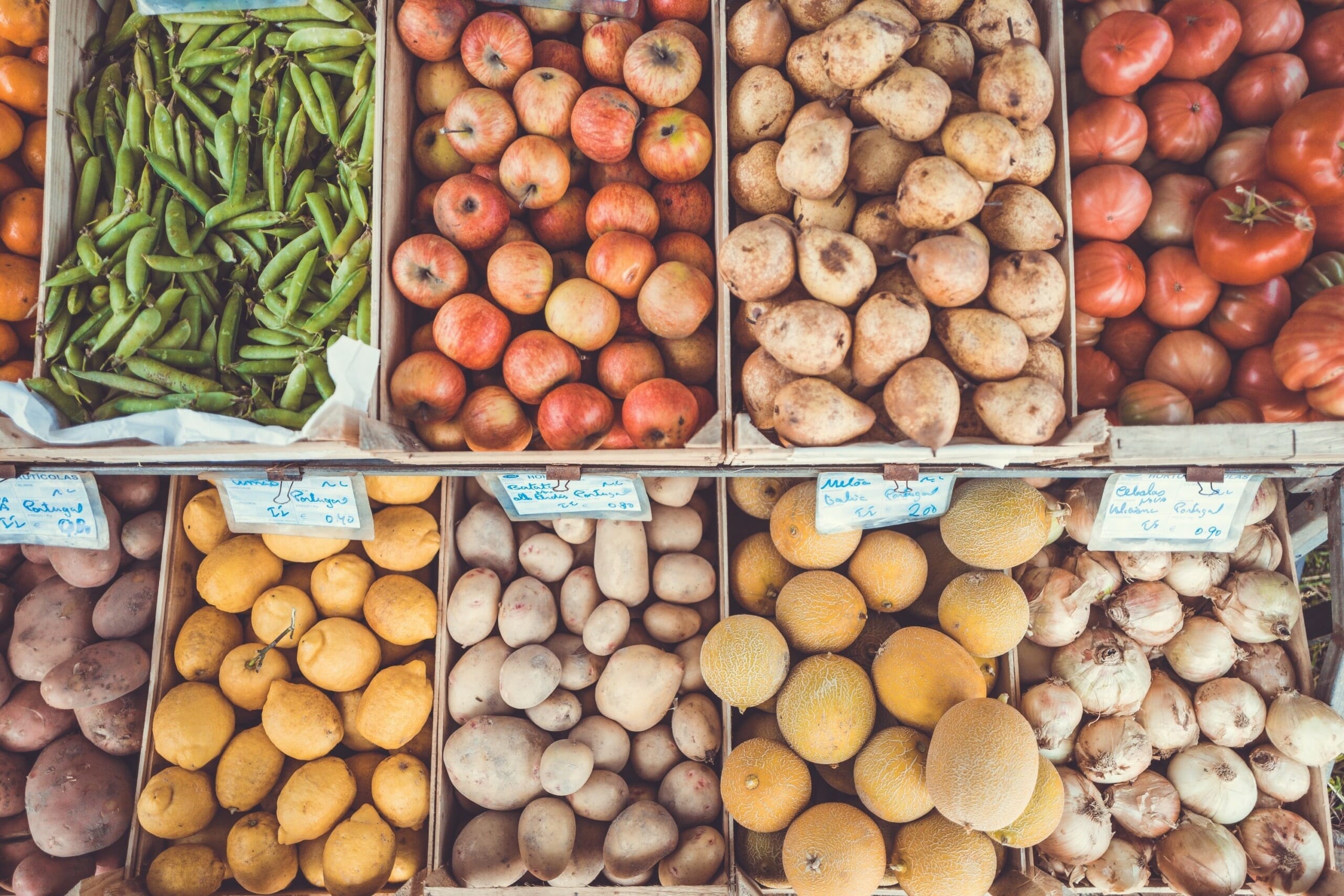
Crates of fruits and vegetables. Credit: Canva

Crates of fruits and vegetables. Credit: Canva

Recently, I came across the zero-waste store Salt of The Earth. My discovery had come at an opportune time, following a chat with my flatmate about the number of plastic milk containers that we were going through during the lock-down. We were reminiscing from childhood days about the little glass bottles of milk that would miraculously turn up on our doorstep each morning, to be returned there empty each night.

Salt of the Earth Store, Broadstairs, Kent

Passing Salt of the Earth with this conversation still fresh in my brain made me do an u-turn. Whilst I had come across a few small refill shops in London, it had been a couple of years back, and their range was limited to grains and pulses.

Today  Zero-Waste, or Refill, Stores are becoming more popular and prevalent, expanding the range of products available for customers. Even large supermarket chains are starting to jump on the bandwagon. In January, it was reported that Asda had intended to open a ‘sustainability store’ in May 2020 (unfortunately stalled by the COVID—19 pandemic), and there are more recent reports of Tesco and Loop trialing a refill service as well.
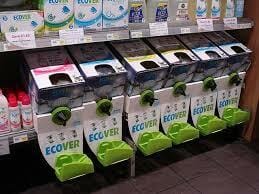
Ecover refill station in Balham, Kake

But for those looking to shop more sustainably while supporting local businesses, there may now be a zero-waste shop close to you — and for those in the UK, if nothing comes up on your google search, you can find guides for how to find these stores online, such as this general directory and this list of best-rated stores in the UK.

In Salt of The Earth it was nostalgic, and good news for my waste footprint, to see that not only were the old, glass milk pint bottles I’d remembered available — to be brought back and refilled! – but also that almond milk and coconut milk were also being sold fresh in glass reusable containers, along with a variety of grains, pulses, oats, bread, detergents, beauty products, and now, even locally made and washable Face Masks.
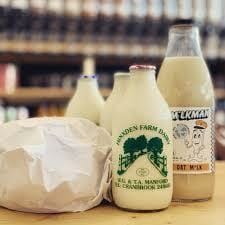
 

A selection of Fresh Milk and Bread available at the Salt of the Earth Store, Broadstairs, Kent.

It may just be a couple of items that you manage to switch over to, but a little goes a long way. Supporting local businesses also supports a change in your community’s mindsets and practices regarding sustainability and waste reduction – this could lead to a chain reaction, where neighboring businesses may also be inspired and motivated to make small changes, responding to the attitudes of customers.

To ‘best practice’ your zero-waste shopping endeavor, be sure to use and reuse your containers and bags! You are able to buy reusable containers in zero-waste stores — but if you already have the suitable containers at hand you are one step ahead!  For more tips on reducing kitchen waste, read this article.
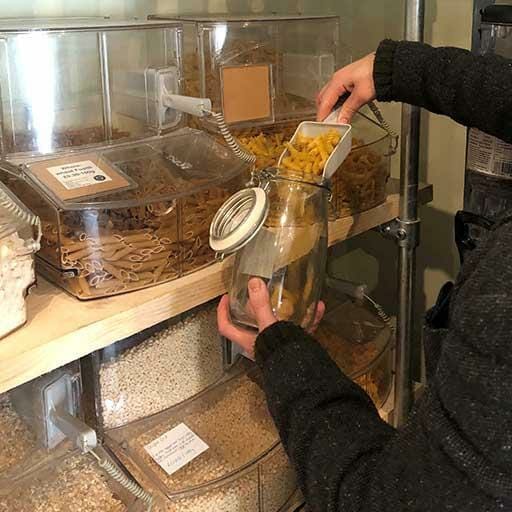
 

Buying Pasta Plastic Free at the Refilling Station in Harrogate

Aiming for local shops, if possible, will reduce transport emissions and travel costs. For your products and produce sourced from elsewhere, there are still ways to practice being more sustainable, by reducing your meat consumption, buying foods that are seasonal and grown locally, and looking out for which food brand items are available in non-plastic packaging. For more details, check out this article here.


Directory as of 2019 October

https://www.saltoftheearthbroadstairs.co.uk/


Editor’s Note: The opinions expressed here by Impakter.com columnists are their own, not those of Impakter.com. — In the Featured Photo: Crates of fruit and vegetables. Featured Photo Credit: Canva.


Tags: grocery shoppingsustainable food systemszero waste
Previous Post

Big Tech Workers Joining The Digital Adventure Of Web3

Next Post

Oscars Spotlight: 2022 Shortlists Announced 

Related Posts

Steakhouse in Tucson
Food & Drinks

7 Factors That Define a Premium Steakhouse Experience

January 12, 2026
Granddaddy Purple Strain
Food & Drinks

Where Granddaddy Purple Strain Gets Its Iconic Grape Flavor

December 5, 2025
Sustainable retail using QR codes
Beauty

Sustainable Retail: How QR Codes Reduce Waste and Improve Transparency for Consumers

November 21, 2025
Next Post
Oscars Spotlight: 2022 Shortlists Announced 

Oscars Spotlight: 2022 Shortlists Announced 

Recent News

ESG news: Trump administration's new move to enforce tariffs; Apple's App Store commission cuts; Canada's job market; and Glencore refinery workers' strike.

60 Nations Caught in New US Trade Crosshairs

March 13, 2026
Nasa picture of night on Earth with thousands of lights

AI’s Carbon Footprint Is Also a Geography Problem

March 13, 2026

Impakter informs you through the ESG news site and empowers your business CSRD compliance and ESG compliance with its Klimado SaaS ESG assessment tool marketplace that can be found on: www.klimado.com

Registered Office Address

Klimado GmbH
Niddastrasse 63,

60329, Frankfurt am Main, Germany


IMPAKTER is a Klimado GmbH website

Impakter is a publication that is identified by the following International Standard Serial Number (ISSN) is the following 2515-9569 (Printed) and 2515-9577 (online – Website).


Office Hours - Monday to Friday

9.30am - 5.00pm CEST


Email

stories [at] impakter.com

By Audience

  • TECH
    • Start-up
    • AI & MACHINE LEARNING
    • Green Tech
  • ENVIRONMENT
    • Biodiversity
    • Energy
    • Circular Economy
    • Climate Change
  • INDUSTRY NEWS
    • Entertainment
    • Food and Agriculture
    • Health
    • Politics & Foreign Affairs
    • Philanthropy
    • Science
    • Sport
    • Editorial Series

ESG/Finance Daily

  • ESG News
  • Sustainable Finance
  • Business

About Us

  • Team
  • Partners
  • Write for Impakter
  • Contact Us
  • Privacy Policy

© 2026 IMPAKTER. All rights reserved.

No Result
View All Result
  • Environment
    • Biodiversity
    • Climate Change
    • Circular Economy
    • Energy
  • FINANCE
    • ESG News
    • Sustainable Finance
    • Business
  • TECH
    • Start-up
    • AI & Machine Learning
    • Green Tech
  • Industry News
    • Entertainment
    • Food and Agriculture
    • Health
    • Politics & Foreign Affairs
    • Philanthropy
    • Science
    • Sport
  • Editorial Series
    • SDGs Series
    • Shape Your Future
    • Sustainable Cities
      • Copenhagen
      • San Francisco
      • Seattle
      • Sydney
  • About us
    • Company
    • Team
    • Partners
    • Write for Impakter
    • Contact Us
    • Privacy Policy

© 2026 IMPAKTER. All rights reserved.