Some things, even marvelous things, are so ubiquitous that it is easy to take them for granted. Consider plants: they absorb carbon dioxide and give off oxygen and harness solar energy to produce food. This happens in a closed system where the amount of total carbon in the world does not change, it just moves.
Carbon stored in living organisms including animals, plants, and even soil is released back into the atmosphere when these die, decompose, or burn. For millions of years, this system has been balanced, and massive quantities of carbon have accumulated underground as coal and oil.
Over the past few hundred years human activity, including burning fossil fuels and deforestation, has released trillions of metric tons of carbon into the atmosphere, contributing to a destabilized climate. To avoid the worst climate impacts, the International Panel on Climate Change recommends removing billions of tons of Carbon Dioxide from the atmosphere.
Since plants are nature’s way of capturing CO2 from the atmosphere, and since a growing human population requires growing more and more food it stands to reason that agriculture would be one of the best tools we have to fight climate change. It could be, but unfortunately, due to the proliferation of industrial farming practices, agriculture is currently actually one of the greatest sources of greenhouse gas emissions. According to the EPA, the traditional agriculture sector is responsible for 11% of the United States total greenhouse emissions, producing nitrous oxide, methane, and carbon dioxide emissions due to unsustainable soil practices, land use, and livestock.
The Power of Nature to Fight the Climate Crisis
It is without a doubt that we need every tool in our toolbox to fight the climate crisis. One crucial solution for carbon removal that has been used for millennia – and that we’re harnessing at ReSeed: photosynthesis. At scale, photosynthesis has and continues to draw down mass amounts of carbon from the atmosphere, with a big boost from an unsuspecting source – many of the globe’s two billion smallholder farmers working on 18 billion acres of farmland, engaging in practices consistent with what today we call regenerative agriculture.
Regenerative Farms Win on Scaling, Cost & Social Impact
The term “regenerative agriculture” might be new, but its holistic practices are grounded in age-old agricultural methods. In practice, regenerative agriculture is a dynamic, resilient system that not only sequesters carbon but also enhances the overall health of the farming ecosystem. The symbiotic relationship between plants, soil microorganisms, and the environment results in a positive feedback loop, promoting sustainability and longevity. Custodians of sustainable practices for generations, and smallholder farmers worldwide offer invaluable insights into nurturing both environment and community.
RELATED ARTICLES: How to Shift to, Grow, and Build Circular Economy | Can the Fashion Industry Help Propagate Regenerative Agriculture? | Regenerative Agriculture Is Our Most Powerful Relationship With the Earth |
Regenerative agriculture is a transformative approach that not only curtails carbon emissions but also draws down our old emissions. Additionally, regenerative agriculture addresses water scarcity and food insecurity. By fostering healthy soil ecosystems, regenerative agriculture enhances water retention, improves crops, and boosts biodiversity. This stands in contrast to conventional farming which often depletes soil health through heavy tilling, monocropping, and a reliance on petrochemicals while exacerbating environmental effects through deforestation, excessive water use, and greenhouse gas emissions.
Regenerative agriculture emerges as a pivotal solution. Its immediate deployability, scalability, and multifaceted environmental benefits position it as a powerhouse in tackling intertwined challenges. These practices revitalize soil ecosystems – making it more resilient to climatic fluctuations – reducing the water needed to grow crops while increasing biological activity and diversity, enhancing the soil’s carbon sequestration capability, and if that were not enough, it contributes to global food security.

The Choice is Clear
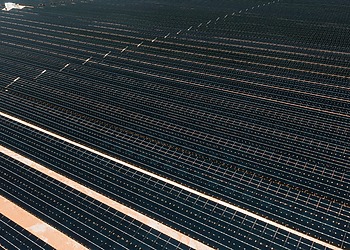
The dichotomy between regenerative agriculture and other forms of carbon capture highlights a crucial contrast in carbon removal strategies. While the latter forms are grappling with scalability hurdles and high costs, the former presents a solution that is already in operation and is ready to be financed through carbon credits.
Nature-based carbon credits derived from agricultural practices constitute only 1% of the market today, but the potential for scale is vast, given the extensive network of smallholder farmers worldwide. Unlike the predominant reliance on mechanical carbon capture, regenerative agriculture harnesses the expertise of the world’s 2 billion smallholder regenerative farmers. This means that buying carbon credits from farmers not only finances this highly effective solution, it also crucially increases the incomes of smallholder farmers, the vast majority of whom live below the poverty line, and are highly vulnerable to economic, social, and environmental pressures.
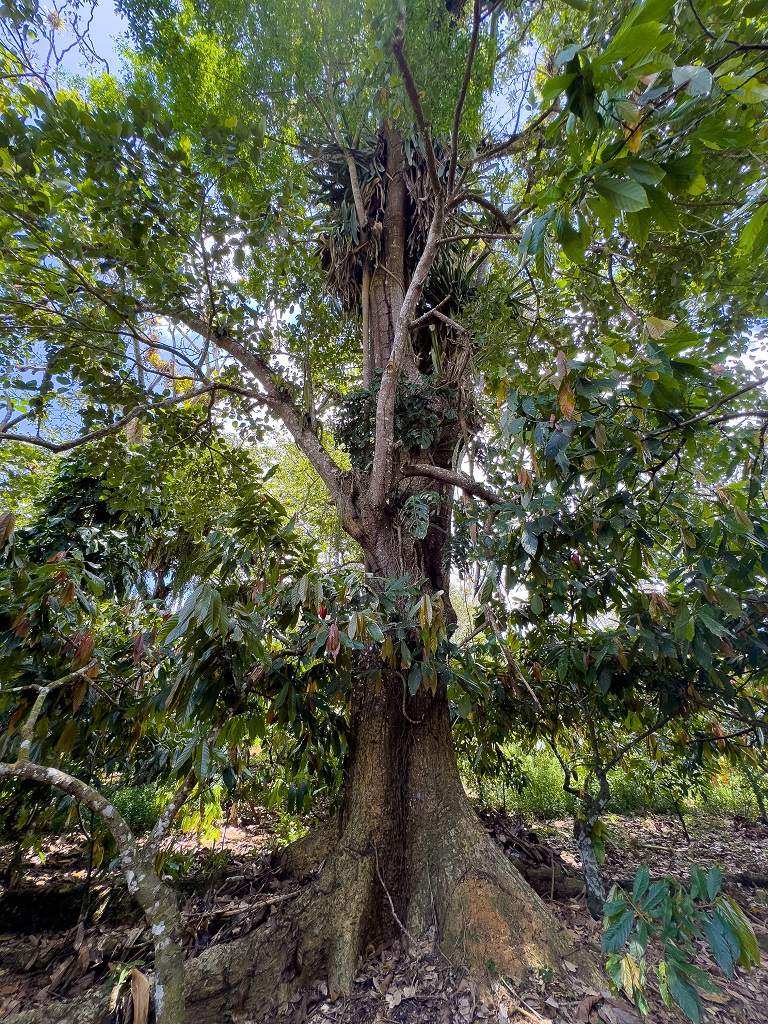
Regenerative Agriculture In Action: Spotlight on Brazil
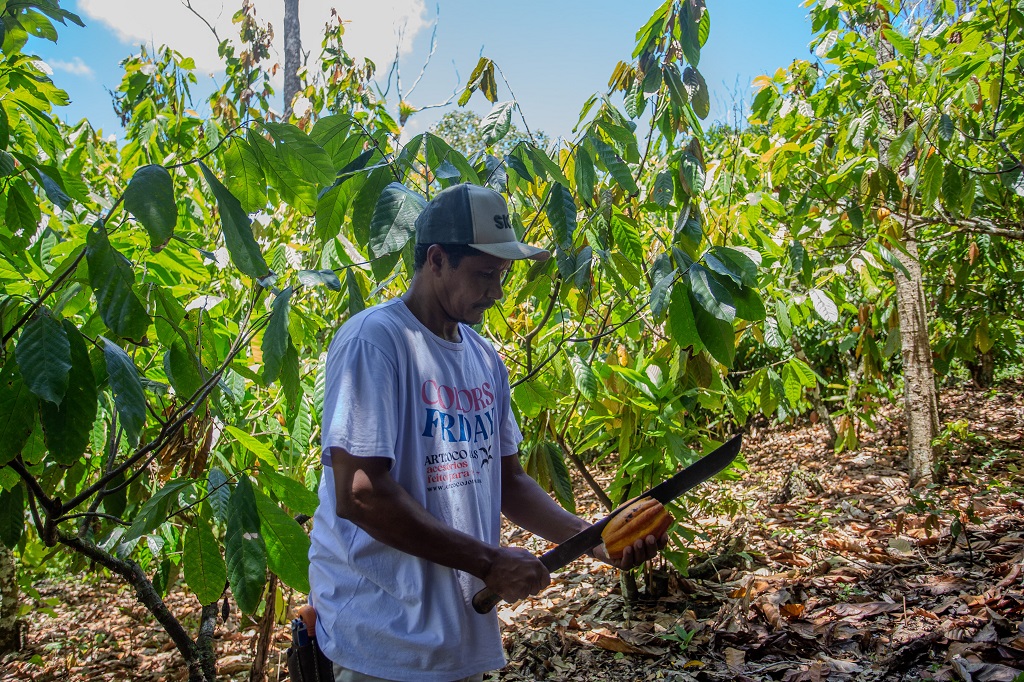
In Brazil, regenerative agriculture has been a crucial practice in protecting the Amazon and Atlantic Rainforests, which are often credited as the “lungs of the Earth” for their ability to filter large quantities of Carbon from the atmosphere. Many farmers in the region have turned to deforestation to sell lumber or expand their farms as a way to supplement their income, but a growing number of farmers engage in a practice of cabruca, a system of growing crops symbiotically within the forest. Passed down through generations, these farmers use methods that curb climate change and eliminate the need for deforestation, as well as harmful chemicals and pesticides that disturb the ecosystem.
However, these farmers are at constant risk of being pushed off their lands by industrial and developmental players. By providing them with additional revenue through innovative climate financing by way of nature-based carbon credit sales, they not only have the financial and technical support they need to continue, and improve, their regenerative farming practices, but they also have extra monetary protection to resist the many pressures that threaten them.
A Call to Regenerate
The ripple effects of regenerative practices resonate across communities, bolstering local economies, discouraging economic migration, enhancing biodiversity, and fortifying global food security. But to harness the full potential of regenerative agriculture, concerted efforts are essential. Governments, corporations, and communities must collaborate, providing necessary support, infrastructure, and incentives.
As we navigate the complexities of climate change, regenerative agriculture beckons as a beacon of hope—a sustainable and resilient approach that aligns with the rhythms of nature and the needs of a growing global population. Its immediate deployability, scalability, and multifaceted environmental benefits position it as a powerhouse in addressing the intertwined challenges of carbon emissions, poverty, and food insecurity.
Editor’s Note: The opinions expressed here by the authors are their own, not those of Impakter.com — All Photos Credit: Zak Zaidman.