COP25 marks the first-ever Transport Day hosted by a COP Presidency. The discussion among transport stakeholders is urgently needed yet has been long overdue. While 83% of NDCs (Nationally-Determined Contributions) identify transport as an important source of GHG emissions and an area for action, only 14% of NDCs set a transport sector emission reduction target.
This article, first published on the ICLEI blog, is part of our “COP25” Editorial Series, done in partnership with ICLEI — Local Governments for Sustainability.
The COP25 Presidency of Chile identified this need early on. Initial plans for the Convention had featured a high level meeting of transport ministers — the first time such a gathering would have happened at a COP. When the venue moved to Spain just weeks before its start, the event had to be canceled.
But the priority on transport still remained. Transport Day at COP25, along MPGCA Transport Action Event and other transport side events in the first week, gained significant traction with the participation of the High-Level Climate Champion of Chile, Chile’s Minister of Environment (who serves as the COP25 President) and Vice Minister of Transport, Spain’s Minister of Public Works and Transport, Denmark’s Minister of Transport, and Directorates from the national government of Germany, Costa Rica, the Netherlands and Uruguay.

The two high-level side events, Transport Day and MPGCA Transport Action Event, brought together various transport stakeholders from the national and local governments, private companies, supranational and intergovernmental organizations (such as the UN and European Union), international organizations, development banks and think tanks to unpack the barriers to the implementation and scaling up of low carbon, sustainable and resilient transport.
As the head of Sustainable Mobility at ICLEI, I had the pleasure of participating in these events, and four main themes for local and regional governments emerged during the discussion.
- National governments are realizing they have to prioritize transport to meet their goals
Between 1990 and 2014, globally transport was the only sector of which CO2 emissions were steadily increasing. The increase in both CO2 and greenhouse gas emissions continue to go up with no end in sight. The transport sector now contributes to around 25-35% of the total emissions in most countries.
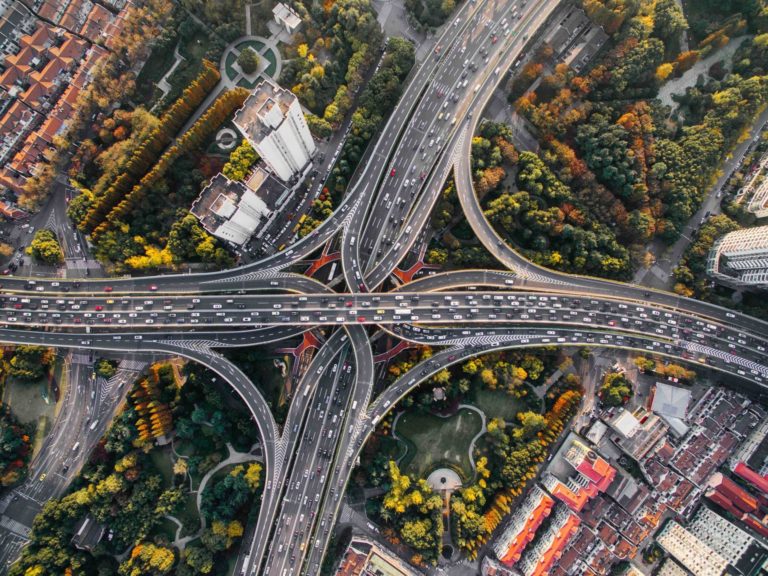
Transport is now becoming a central part of the policy and process of nationwide decarbonization.
It has become clear to some countries that, in addition to industries that have a more certain pathway to sustainability, the transport sector needs to be addressed properly. Transport is now becoming a central part of the policy and process of nationwide decarbonization.
- Decarbonizing transport is much harder than expected — typical recipes are not getting us there
It’s estimated that globally about 75% of the infrastructure needed for sustainable transport has not yet been planned or funded, and urban areas are still expanding. The growth of the middle class globally has brought more cars into cities than ever before, causing impacts such as noise, air pollution, and compromised green space and liveability.
An estimated 4.2 million deaths every year are caused by ambient air pollution. Rising fuel prices with a component of carbon tax in Paris triggered the yellow vest movement; a raise in public transport fare caused nationwide protests; the plan to terminate fuel subsidies brought Ecuador to national paralysis.
Transport has become the crux of social, environmental and economic problems.

The governance of the transport sector remains extremely complex because of the required alignment between transport policies and other sectoral policies such as planning, energy, industrial development and even telecommunications, responsibility falling on all different levels of governance, more stakeholders involved than other sectors.
National governments do not always have the competency for implementation, so the coordination with and buy-in for cities to make changes is crucial. In this regard, cities are becoming effective at implementing measures on the ground, and moving faster than national government, intergovernmental and supranational entities.
Related Articles: Female Mayor ‘Warriors’ of the Amazon Inspire COP25 Delegates With Stories of Resilience | Early Days of COP25 Highlight Plight of Most Vulnerable Nations
- We’re ready for enabling factors for non-public sectors
In order to expedite the transition in the transport sector in the coming years, more sustainable transport projects in the climate area will be supported by development banks. Projects will need to be aligned with the Paris Agreement with a strong emphasis on adaptation and resilience.
Transport systems are particularly vulnerable to extreme climate conditions and the complexity of the governance. Governments will be expected to strengthen their skillsets in financial structuring, in addition to climate adaptation and resilience, in both public and private sectors.
A level playing field, correct structural tax reform and clear political signals will incentivize private companies to achieve the transition together.
- Watch for roadblocks
The importance of stakeholder engagement could not be stressed enough in all discussions but engaging one another in reality may not be as easy as it sounds. Timeline and focus of interest are the two key barriers.
The agenda of the private sector is usually very long to accommodate the long process of innovation, which can be 15 to 20 years. However, politicians have short term agendas (and political terms) with urgent demands, despite long-term agendas set by governments. The focus of interest from supranational and intergovernmental entities may leave out seemingly irrelevant subjects which may actually be crucial to cities.
To achieve a systematic change that we desperately need in the transport sector if we are going to meet our Paris goals, governments, as the convenor as well as an implementer of sustainable mobility, should work towards:
- Commitment awareness: set sectoral commitments and governance structure to align all policies
- Persuasion: use regulations, frameworks and incentives to engage stakeholders
- Fair transition and sustainable transformation: leave no one behind
- Integration: include suitable technologies and business models
- Behavioural change: create a system that works together with the actions of citizens