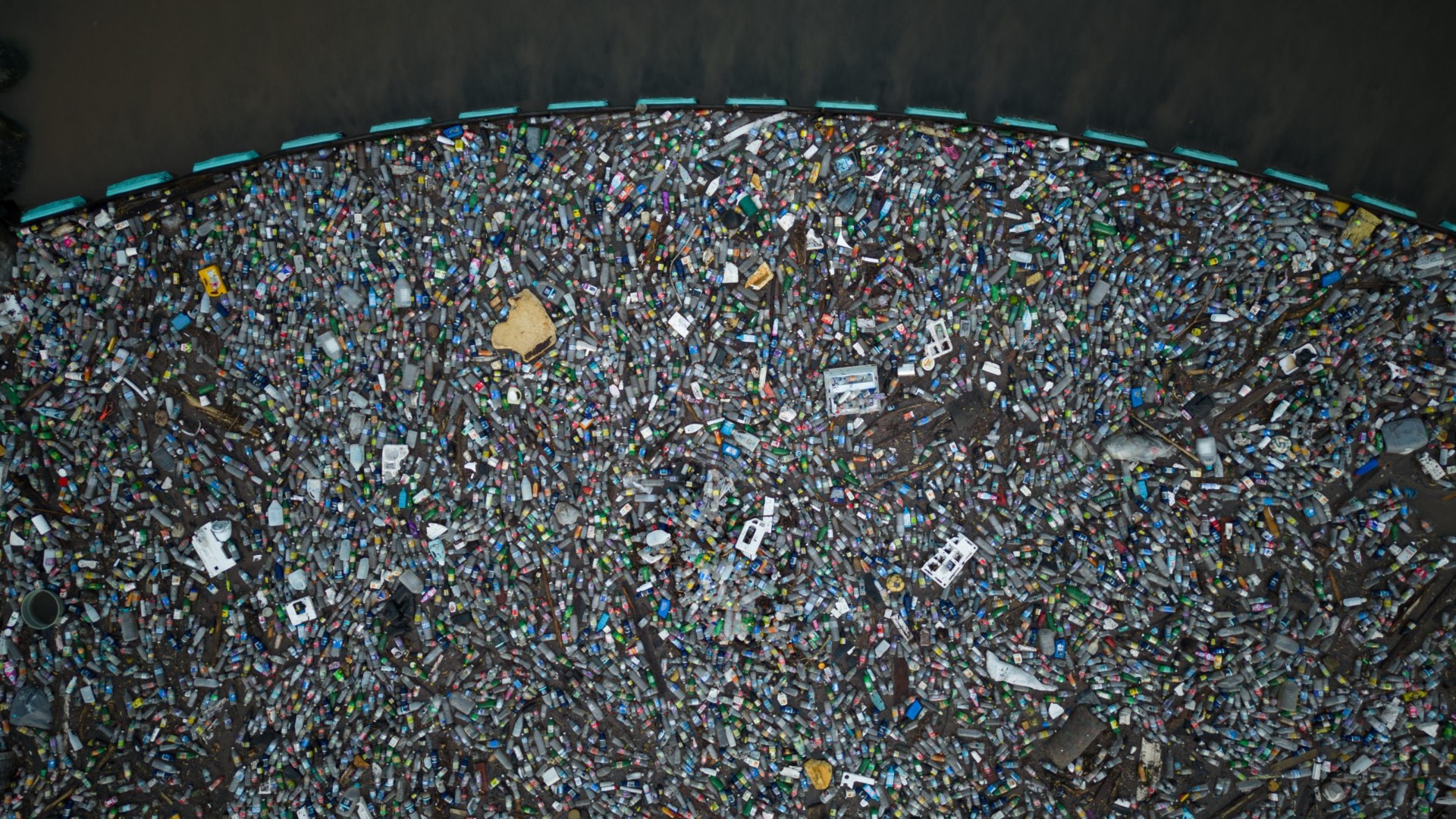
There has been growing attention to the “Great Pacific Garbage Patch” by those who correctly recognize it as an environmental disaster. What has not been given sufficient attention is the extent to which it affects humans, sea and land animals, vegetation, and the ecosystem writ large, the concept known as One Health.
The Great Pacific Garbage Patch is one of the most visible indicators of our ever-expanding plastic addiction. In the North Pacific Subtropical Gyre, the huge rotating current system between California and Hawaii, floating objects tend to get trapped instead of drifting away. This results in a massive accumulation of 1.8 trillion pieces of plastic weighing around 79,000 tons, spread across an area twice the size of Texas.
While the environmental damage is obvious — marine animals entangled in nets, seabirds starving with stomachs full of plastic — the health risks are subtler but potentially more dangerous. Plastics in the ocean act as artificial habitats for microbes and invasive species, creating what researchers call the “plastisphere.”
This environment may incubate pathogens and accelerate antibiotic resistance. Micro- and nano-plastics infiltrate human and animal life through food, water, and the air. The Great Pacific Garbage Patch infiltrates every aspect of the ocean ecosystem, extends to everywhere, and in short, is a public health, One Health challenge.
Plastic as Breeding Grounds for Diseases
Plastics in the ocean develop microbial biofilms known as the plastisphere. These host bacteria, fungi, and viruses, some of which are pathogenic. Unlike organic debris, plastics do not biodegrade quickly. And pathogens can survive longer on plastic surfaces, shielded from UV radiation and predation.
Some studies have documented that invertebrate species can live on plastic in the Great Pacific Garbage Patch. These species hitchhike across oceans, potentially spreading parasites and diseases to new ecosystems. Plastics concentrate pollutants and heavy metals, which can induce stress responses in microbes. This environment fosters horizontal gene transfer, accelerating the evolution of antibiotic resistance. Humans consuming contaminated seafood may face risks of novel pathogens or toxin exposure.
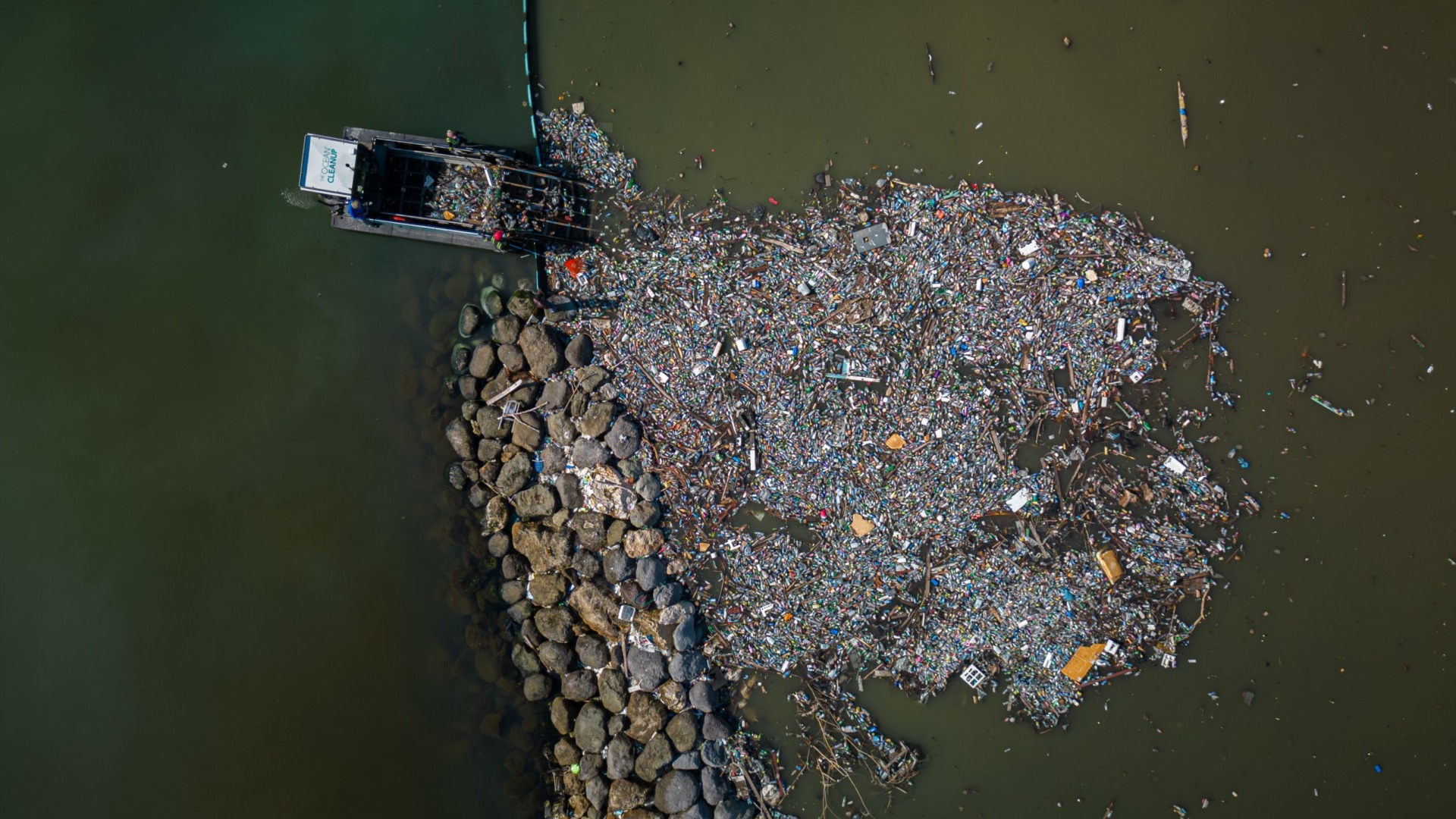
Implications for Health
A study in Nature Ecology and Evolution titled “Extent and reproduction of coastal species on plastic debris in the North Pacific Subtropical Gyre” points out a rise of a “neopelagic” (new and open sea life) community, one which includes both the usual raft riding species and coastal species that can now survive far from land because plastic items act as durable homes. This plastic pollution platform changes where marine life can live and allows coastal organisms to survive, reproduce, and spread across huge distances, and with them, micro- and nano-plastics.
Micro- and Nano-Plastics Health Risks
Humans and animals can ingest and inhale micro- and nano-plastics, which have been detected in human blood, lungs, brains, and placentas. Assuredly, more research is needed, but there is evidence of linkages with long-term consequences, including known and unknown diseases, metabolic disorders, and infertility. As explained by the authors of the study, “The Plastics Pandemic: Diseases of unknown origin, declining fertility, and the wider implications”:
“There is increasing probability that MNP plays an important role in the origins of such everyday diseases as Alzheimer’s, Parkinson’s, many cancers etc., remains seriously underappreciated with a disproportionate absence of relevant research in this respect. This pattern equally applies to the global patterns of changing fertility and infertility levels. When extrapolated to the marine environment, plant biology and human biology from conception to day one of birth, it seems reasonable and proportionate to suggest that much more scientific inquiry, applied research across the sciences and translational and policy research will be required worldwide.”
Related Articles
Here is a list of articles selected by our Editorial Board that have gained significant interest from the public:
Why the Great Pacific Garbage Patch Calls for a One Health Approach
The potential harm from the Great Pacific Garbage Patch goes far beyond the Pacific Ocean, to other bodies of water, to land, and in the air — virtually every aspect of the environment. And this is central to One Health, a worldwide strategy to expand interdisciplinary collaborations and communication across all aspects of health care for humans, animals, and the environment.
The Great Pacific Garbage Patch is more than an environmental eyesore — it is a biological incubator for pathogens and a source of microplastics infiltrating human life. While the risks of new diseases emerging from the plastisphere are a threat, the immediate harm is from the chronic health effects of micro- and nano-plastic exposure.
The Great Pacific Garbage Patch is one example that if plastic growth continues unchecked, the line between environmental pollution and public health will blur further. Simply put, this is a global challenge with many parts to it, and while there are many facets that need to be addressed, a crucial priority should be the adoption and adaptation of a One Health approach.