Impakter
  • Environment
    • Biodiversity
    • Climate Change
    • Circular Economy
    • Energy
  • FINANCE
    • ESG News
    • Sustainable Finance
    • Business
  • TECH
    • Start-up
    • AI & Machine Learning
    • Green Tech
  • Industry News
    • Entertainment
    • Food and Agriculture
    • Health
    • Politics & Foreign Affairs
    • Philanthropy
    • Science
    • Sport
  • Editorial Series
    • SDGs Series
    • Shape Your Future
    • Sustainable Cities
      • Copenhagen
      • San Francisco
      • Seattle
      • Sydney
  • About us
    • Company
    • Team
    • Partners
    • Write for Impakter
    • Contact Us
    • Privacy Policy
No Result
View All Result
Impakter logo
No Result
View All Result
Overconsumption: The Problem with Modern Consumers

Overconsumption: The Problem with Modern Consumers

The modern consumer is transfixed by over-consumption with little concern for the environment. How can we save ourselves?

Rachel CrossbyRachel Cross
November 28, 2022
in Eco Life, Women Fashion
0

Consumers today want what they want, when they want it, and how they want it. We’ve grown accustomed to ordering items online and shipping them right to our front doors in just a few days. Especially in the height of the pandemic, buying in-store lost its convenience for us. Now, we’d much rather receive our items with clicks of just a few buttons, interacting with other humans is overrated anyway!

Meet Proteus, Sparrow, and Hercules! 🦾 They are part of Amazon’s robotics system that assist our employees in the fulfillment process to get packages to customers faster. pic.twitter.com/ozIonRWmLs

— Amazon (@amazon) November 11, 2022

This shift toward custom ordering and shipping is proving to be detrimental in the fight against overproduction and consumption. The modern consumer is even more demanding, and Earth is losing its capabilities to keep up with our needs.

An Exponential Arch

Since the beginning of time, we’ve only pushed our limits when it comes to consumption. Thankfully, we’ve developed past the need to hunt for our food and can now purchase it at a grocery store. But just how did we get here, and did we jump too quickly into the next steps?

Undoubtedly, consumerism has grown since the first recorded transactions by the Mesopotamians in the years up to 8000 BC. Trading and bartering were common during this time, but people were frugal with their goods and currency. Transactions were rational and planned.

Today, we’ve developed the technology to purchase with credit cards, cryptocurrency, or the tap of our phones. Transactions occur rapidly, with little thought behind them. Not only do computers process payments at a faster speed, but consumers spend less time considering purchases. The mindset has shifted from, “This product is necessary for my survival,” to “I’ll buy this just in case I ever use it.”

Frenzied consumers have increased throughout COVID when certain products were out of stock and our safety felt threatened. Shoppers are hesitating less about purchases and buying products even when it’s not necessary.


Related Articles: Fast Fashion’s Greatest Perpetuators | Fast Fashion Desolates Our Future: Do You Shop to Salvage or Sabotage?

Earth’s Perspective

This type of reckless consumerism is taking a toll on our planet. The earth is struggling to sustain our greedy lifestyles and will not hold on for much longer. We’re already seeing the effects of pollution and climate change; these will only worsen if we continue along the same path.

Overconsumption is killing the planet.

Pass it on.

— Greenpeace UK (@GreenpeaceUK) November 25, 2022

And now with the increased popularity of front-door shipping, not only does the earth take on pollutants from the factors of production, but also must support individualized transportation. The pressure we are placing on our planet continues to increase, and at a rapid rate.

Smart Shoppers Save Money and Our Earth

The easiest way to slow the rate of Earth’s deterioration would be to decrease our demands for it. By individually minimizing unethical purchases including plastic, petroleum, fast fashion, and meat products, consumers ease the strain on our environment.

However, there is more to be done by businesses and corporations. All production must be eco-friendly, meaning it positively impacts the environment and does not add to pollution. Product packaging must be recyclable, and transportation should be as environmentally economical as possible. But companies will only make these changes when they believe it will benefit them financially. Becoming more stubborn with your money and less rash with purchases shows businesses you mean business!

If consumers collectively made smarter decisions when shopping by purchasing less, less often, and with more rationale, companies would be forced to look at their business models and adapt them to their target’s needs.

The time to become a smart and savvy shopper is now.

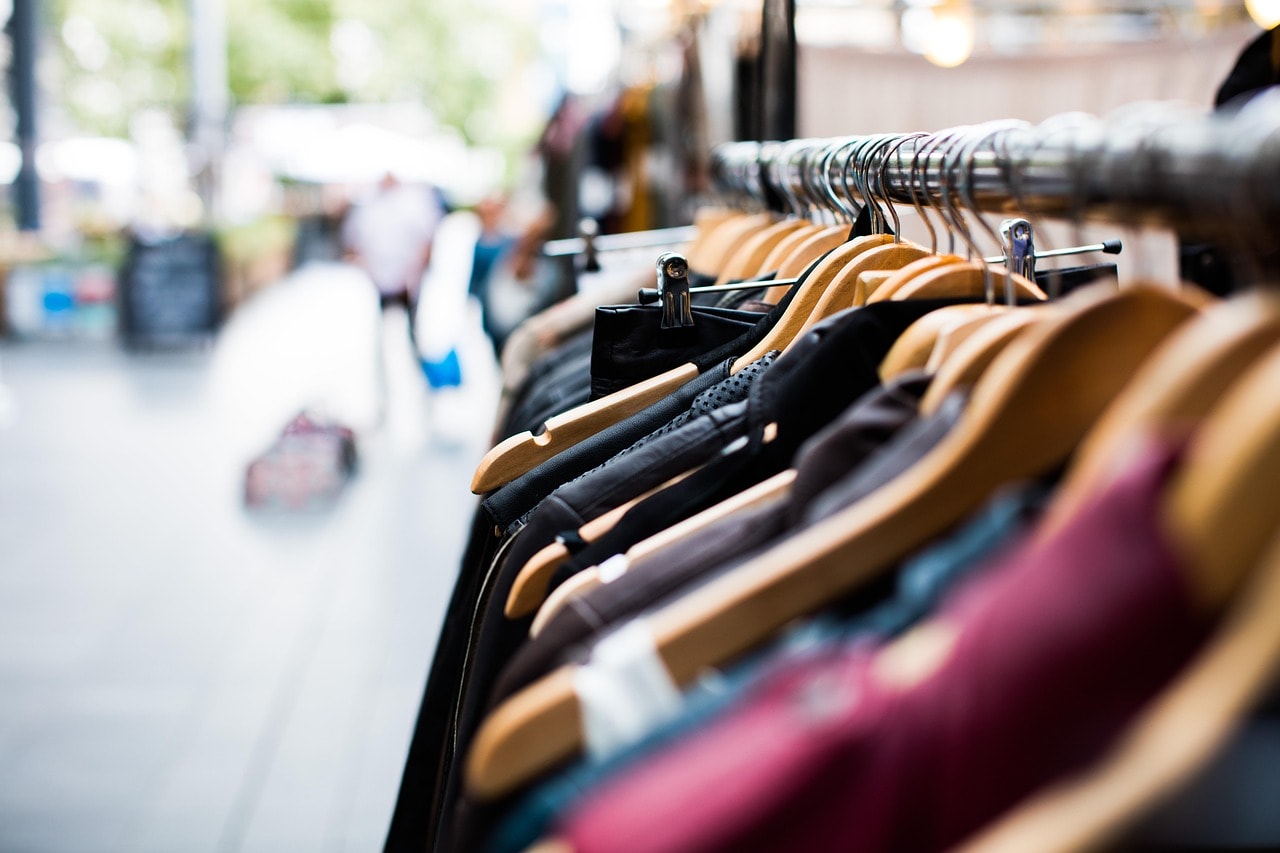
Editor’s Note: The opinions expressed here by Impakter.com columnists are their own, not those of Impakter.com. — In the Featured Photo: Unconscious Consumer. Featured Photo Credit: Freestocks.


Tags: conscious consumerconsumerismfashion productionoverconsumptionoverproduction
Previous Post

Who Benefits from Fast Fashion? Who Suffers?

Next Post

Eco Friendly Christmas: 3 hacks for a zero waste festivity

Related Posts

How to Spot Greenwashing in the Publishing Industry
Environment

How to Spot Greenwashing in the Publishing Industry

Books are a part of everyday life for many people. You might be a bookworm who devours books every day,...

byAnastasiia Barmotina
February 6, 2026
Christmas consumerism: crowds gather at Christmas market
Culture

Christmas Consumerism: Why We Buy So Much and How We Can Avoid It

It’s December, which for many means Christmas. And with Christmas comes stuff. A lot of stuff. Decorations for the house,...

bySarah Perras
December 16, 2025
Overconsumption
Environment

Why Do We Overconsume?

The planet is walking on a tightrope. Over the last 50 years, people have been consuming more and more: Not...

byElisa Furlan
August 7, 2023
What ‘Upcycled Food’ Is and Why You Should Try It
Food and Agriculture

What ‘Upcycled Food’ Is and Why You Should Try It

If you find satisfaction in saving that little bit of surplus salad dressing, giving new life to last night’s leftovers...

byLauren Richards
June 2, 2023
‘Quiet Luxury’: Where Chic Meets Climate Conscious
Culture

‘Quiet Luxury’: Where Chic Meets Climate Conscious

Style is about more than just what’s currently on trend or in season. It’s an identity, a window into someone’s...

byLauren Richards
May 15, 2023
The Rise of De-Influencers on TikTok: Can They Stop Our Current Shopping Frenzy?
Sustainable fashion

The Rise of De-Influencers on TikTok: Can They Stop Our Current Shopping Frenzy?

“De-influencing’ is a current TikTok trend that has gone viral, with its predominant aim being to dissuade people from buying...

byAlice Chapman
March 21, 2023
Upcycled Materials in the Fashion Industry
Eco Life

Upcycled Materials in the Fashion Industry

Recently, average consumers have taken an interest in environmental preservation which has led them to purchase from more ethical brands....

byRachel Cross
December 14, 2022
Who Benefits from Fast Fashion? Who Suffers?
Eco Life

Who Benefits from Fast Fashion? Who Suffers?

If you think you’re benefiting from purchasing from a fast fashion company, you are sadly mistaken. This isn’t your fault...

byRachel Cross
November 28, 2022
Next Post
eco friendly Christmas decorations on plastic Christmas tree

Eco Friendly Christmas: 3 hacks for a zero waste festivity

Recent News

A woman going through the checking account guide

How Checking Accounts Work: Simple Steps to Get Started Fast

February 20, 2026
Coal plants get reprieve on mercury limits, Striking unions fail to halt Milei's sweeping labor bill, Sweden's regulator reviews Swedbank's compliance controls, France backs INEOS decarbonization with €300M

Trump Admin Weakens Coal Plant Mercury Regulations

February 20, 2026
Crowds and filmmakers on the red carpet at the 76th Berlin International Film Festival in 2026

At Berlinale 2026, Artists Refuse the Comfort of Neutrality

February 20, 2026
  • ESG News
  • Sustainable Finance
  • Business

© 2025 Impakter.com owned by Klimado GmbH

No Result
View All Result
  • Environment
    • Biodiversity
    • Climate Change
    • Circular Economy
    • Energy
  • FINANCE
    • ESG News
    • Sustainable Finance
    • Business
  • TECH
    • Start-up
    • AI & Machine Learning
    • Green Tech
  • Industry News
    • Entertainment
    • Food and Agriculture
    • Health
    • Politics & Foreign Affairs
    • Philanthropy
    • Science
    • Sport
  • Editorial Series
    • SDGs Series
    • Shape Your Future
    • Sustainable Cities
      • Copenhagen
      • San Francisco
      • Seattle
      • Sydney
  • About us
    • Company
    • Team
    • Partners
    • Write for Impakter
    • Contact Us
    • Privacy Policy

© 2025 Impakter.com owned by Klimado GmbH