Today’s ESG Updates
- Hungary Faces High-Stakes Election: Record turnout reported in pivotal election that could end Viktor Orbán’s 16-year rule, with challenger Péter Magyar leading in polls.
- US–Iran Peace Talks Collapse: Negotiations ended without agreement after Iran refused to abandon its nuclear ambitions, leaving the Strait of Hormuz closed.
- Australia’s Fortescue Fast-Tracks “Real Zero” Goal: The iron ore giant will accelerate its transition to a green energy system, aiming to eliminate fossil fuels from its Pilbara operations by 2028.
- Canada Launches Sustainable Finance Council: A new 17-member independent body has been appointed to oversee the nation’s green investment taxonomy.
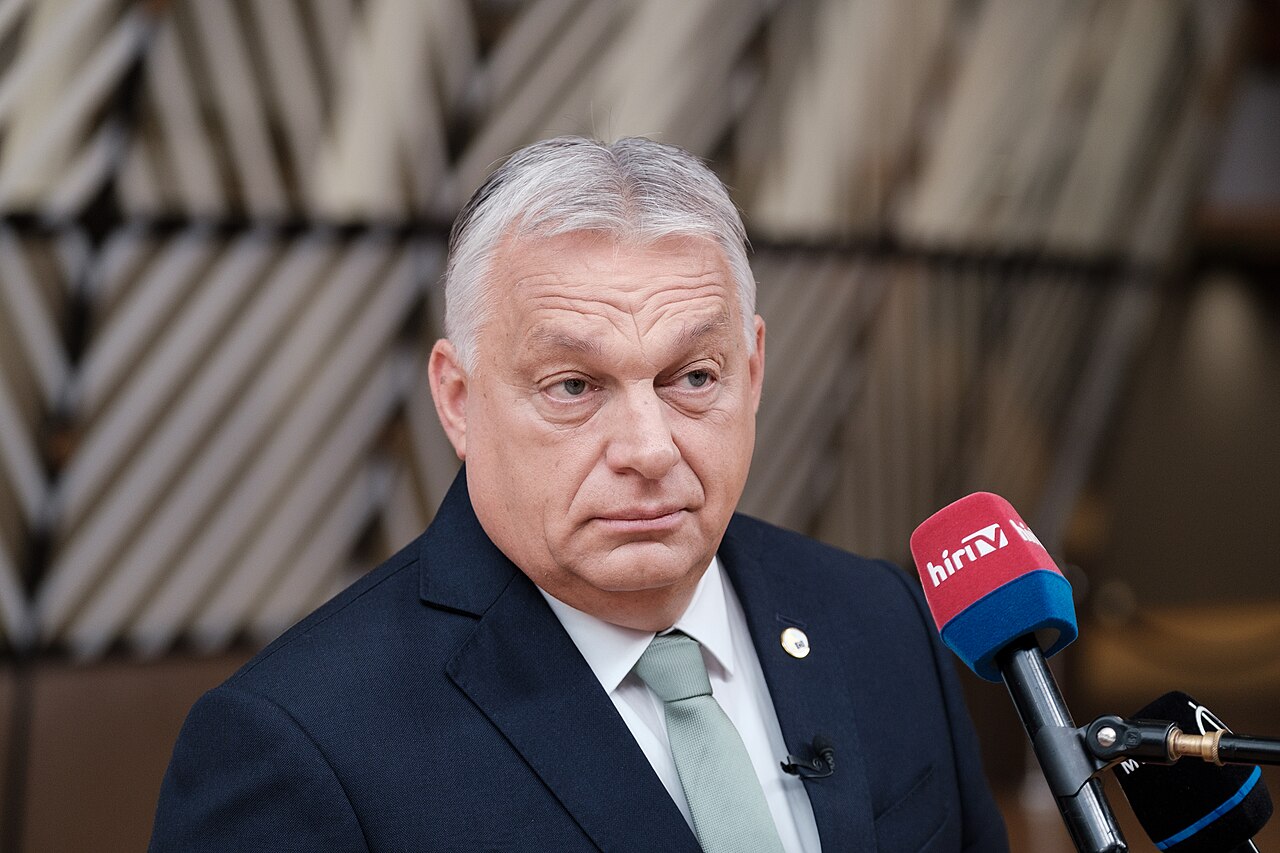
Hungary heads to the polls in crossroads parliamentary vote
Hungarians voted on Sunday in a pivotal parliamentary election that could unseat Prime Minister Viktor Orbán after 16 years in power. Orbán, leader of the far-right Fidesz party, faces his strongest challenge yet from Péter Magyar of the center-right Tisza party, who has led in most pre-election polls.
Known for his anti-EU illiberalism, Orbán has framed the vote as a choice between “war or peace,” campaigning on stability and national sovereignty. He has drawn support from far-right leaders globally, including Donald Trump, who pledged to bring US “economic might” to Hungary if Orbán is re-elected. Magyar, meanwhile, has focused on domestic reform, pledging to tackle corruption, restore relations with the EU, and reinvest in public services.
By midday on Sunday, the country’s national election office had already reported a record voting turnout of 37.98%. However, analysts remain cautious, warning that, due to Fidesz’s transformation of the electoral system, Hungary is ‘not a normal democracy’.
***
Further reading: Hungarians vote in hard-fought election that could oust Viktor Orbán after 16 years
Klimado – Navigating climate complexity just got easier. Klimado offers a user-friendly platform for tracking local and global environmental shifts, making it an essential tool for climate-aware individuals and organizations.
US–Iran peace talks end without agreement as Strait of Hormuz remains closed
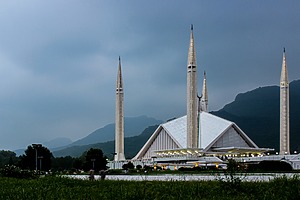
US–Iran peace talks held in Pakistan over the weekend have failed to reach an agreement. Vice President JD Vance, leading the US delegation, confirmed the breakdown early Sunday morning, citing Iran’s refusal to provide an “affirmative commitment” to abandon its pursuit of nuclear weapons.
The collapse of the talks—held under a fragile two-week ceasefire—leaves the vital Strait of Hormuz closed as the conflict enters its seventh week. This continued blockade prolongs the global oil supply shock triggered by the war.
While Vance acknowledged the outcome was “bad news” for America, he emphasized that the impact would be much more severe for Iran. With President Trump previously threatening to destroy Iran’s “whole civilisation” if Tehran did not meet his demands, the international community now watches to see if the US will escalate military action or seek further diplomatic avenues to reopen global trade routes.
***
Further reading: No deal: Vance and Iranians fail to reach agreement after marathon session
Related Articles
Here is a list of articles selected by our Editorial Board that have gained significant interest from the public:
Australia’s Fortescue fast-tracks goal to eliminate fossil fuels at its mines amid global energy shocks
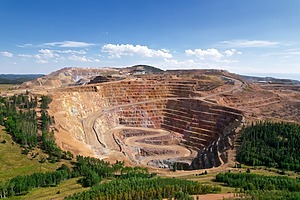
Fortescue, the world’s fourth-largest iron ore miner, has announced it will accelerate its transition to an off-grid green energy system, aiming to eliminate fossil fuels from its Pilbara operations by 2028—two years ahead of its original target.
The accelerated timeline is a direct response to rising diesel costs and supply chain vulnerabilities exacerbated by the US-Israeli conflict with Iran. CEO Dino Otranto emphasized that the shift secures the company against “foreign interests” and volatile energy markets.
The infrastructure behind this transition is massive: a “green grid” featuring 1.2 gigawatts of solar, 600 megawatts of wind, and up to 5 gigawatt-hours of battery storage. Beyond environmental gains, the move is a savvy financial pivot. Fortescue projects $100 million in fuel savings by next year, with long-term unit costs expected to drop by $2 per metric ton.
***
Further reading: Australia’s Fortescue aims to eliminate fossil fuels at its mines by 2028

Canada appoints council to oversee new Sustainable Finance Taxonomy

On Friday, the investor-led initiative Business Future Pathways (BFP) reached a major milestone with the official appointment of the Taxonomy and Transition Planning Council. This independent 17-member body is tasked with overseeing the development and approval of Canada’s new sustainable finance taxonomy, setting the rigorous criteria for “green” and “transition” investment labels.
Chaired by former AIMCo CIO Marlene Puffer, the council includes climate scientists, financial experts, Indigenous representatives, and civil society. Their immediate mandate is to establish credible standards for six priority sectors, enabling companies to issue “green” or “transition” bonds and helping investors verify the legitimacy of sustainable products. The council will also provide pragmatic, sector-specific guidance to help Canadian businesses operationalize climate transition plans.
By standardizing “climate-readiness” for capital markets, the taxonomy is designed to ensure Canada remains competitive as global capital increasingly shifts toward decarbonization.
***
Further reading: Canada Launches Council to Develop Sustainable Finance Taxonomy
Editor’s Note: The opinions expressed here by the authors are their own, not those of impakter.com — In the Cover Photo: Prime Minister Victor Orbán speaks to media on arrival at the European Council, June 2025. Cover Photo Credit: Wikimedia Commons