There is no question that the drama unfolding with the ongoing uncertainties surrounding the United States’ tariff regime over the next 150 days, or thereafter, will have consequences that will not be limited to the U.S.
The February 20 Supreme Court ruling striking down President Donald Trump’s IEEPA-based tariffs incurred his fury and led to his announcement of a 15% global tariff. This has enormous implications for the United States, but also for the Global South and Global North. And it needs to be considered in the context of a broader construct, namely the interface of human, animal, and ecosystem health, e.g., One Health.
Whatever emerges as the “new” tariff regime, it will place burdens on pharmaceuticals, essential medical supplies, and diagnostic tools (important for everything from individual diagnosis to infectious disease surveillance and response). It will also affect food availability and access, and disrupt already fragile global supply chains. All of these are essential for human and veterinary health.
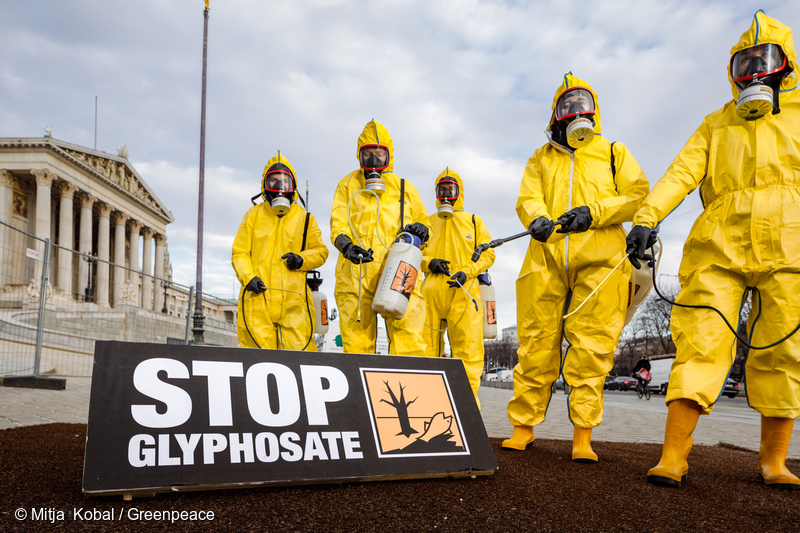
Furthermore, there are two other recent Trump executive decisions that warrant mentioning, both of which have major One Health implications. The first aims to approve the widespread use of glyphosate, a broad-spectrum herbicide weed killer extensively used by American agriculture, with widely recognized health risks including potential carcinogenic effects, concerns of cancer organ damage and other issues. The second is the easing of limits on coal plants emitting mercury in the environment, with mercury having neurological, cardiovascular, and developmental damage to humans — particularly children and fetuses.
Tariff Impacts and One Health
For the United States
Much will be written in detail by experts, economists, lawyers and politicians about Trump’s 15% global tariffs from different perspectives. While it is still too early to have any certainty, some probable effects can be anticipated. Replacing specific IEEPA tariffs — now unlawful — with broader, 15% more generalized tariffs would raise prices on advanced diagnostic equipment and medications, while also increasing costs for a wide range of non-health goods. As noted by the Tax Foundation, such price increases would disproportionately affect lower-income populations, with broader consequences for public health.
In addition, these new “taxes” will result in direct and indirect operating costs for the agricultural and veterinary sectors, critical pillars for any comprehensive One Health approach.
For the Global South
The impact of the 15% tariffs on countries in the Global South is more difficult to gauge, but it is reasonable to assume that they will likely strain health sectors by increasing costs for medical supplies, disrupting supply chains, and potentially threatening the affordability of care. Further, these new tariffs will impact global manufacturing hubs (such as India and Southeast Asia) that currently provide essential pharmaceuticals and medical devices, and as a result, will negatively impact many lower-income countries that rely on these supply chains.
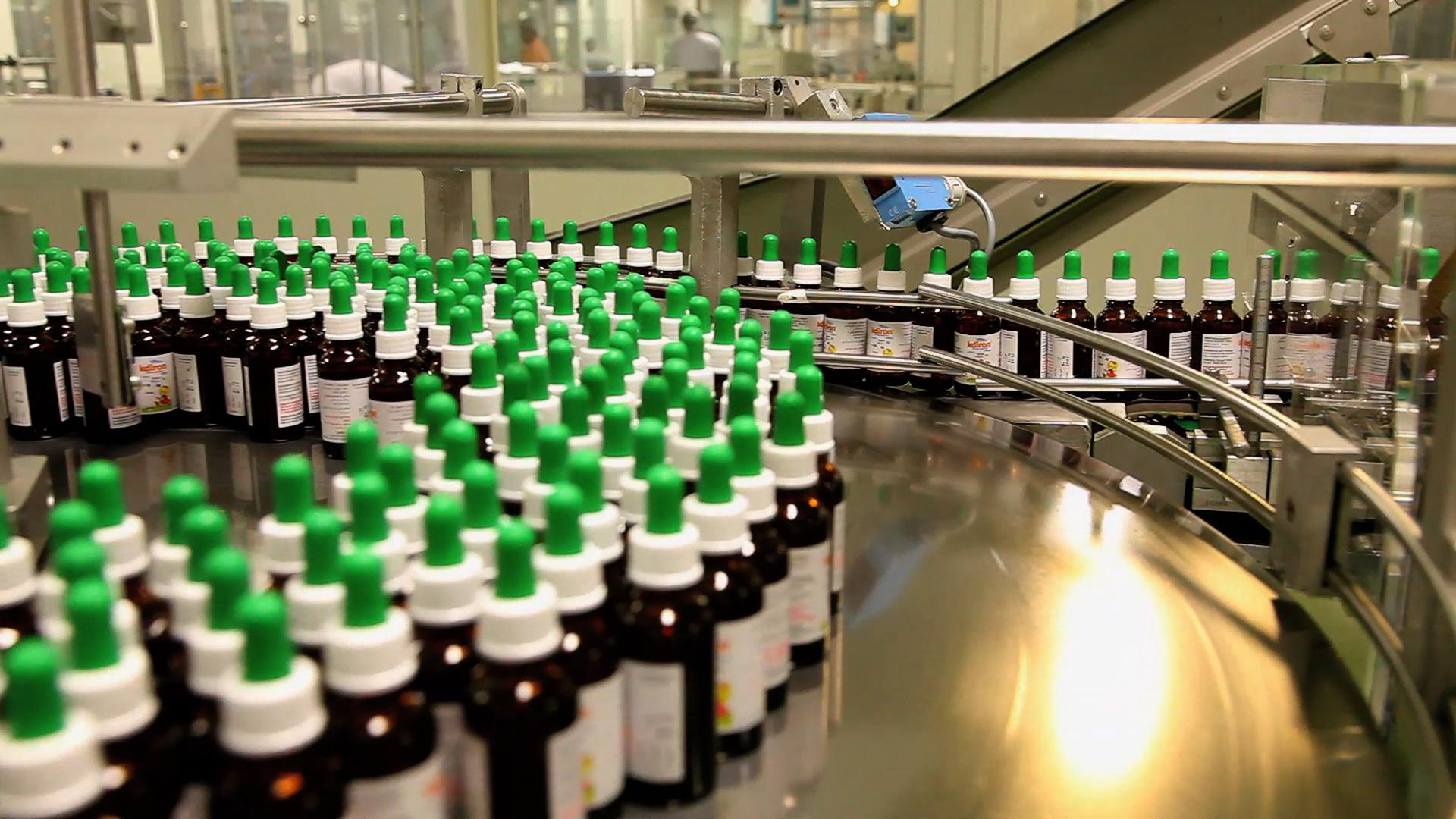
For the Global South, in short, the new tariffs may mean higher procurement costs for essential equipment, drugs, and personal protective equipment (PPE); additional economic strain for imported medical goods, affecting a significant portion of hospital budgets; and further taxing financial resources, particularly in developing economies. Because external assistance is already limited, additional burdens of the new tariff will lead to deferred investments in health infrastructure and technologies.
Related Articles
Here is a list of articles selected by our Editorial Board that have gained significant interest from the public:
For the Global North
For countries of the Global North, there is much of the same probable effect, and more. Hospital operational costs are expected to increase within six months due to the significant role of imports in their budgets. The new tariffs will cause disruptions in medical supplies and pharmaceuticals, particularly from China, India, and Southeast Asia. Rising costs may hinder staff retention, especially in less desirable areas, and small to mid-sized European manufacturers could face higher credit risks and reduced competitiveness as the U.S. diversifies its supply chains.
In short, adjustments to the new and uncertain U.S. tariff actions will translate into further “decoupling” of the global healthcare industry.
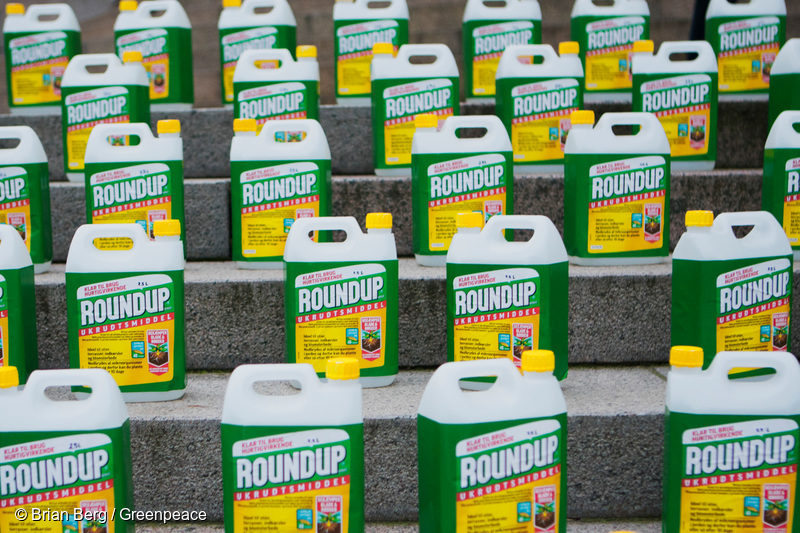
While not an explicit tie-in to the 15% tariffs decision, Trump’s approval of the toxic element in glyphosate, contained in the largest weed killer, Roundup, could affect food exports from the United States to countries in the Global North that have enacted strict limits on it. This, in turn, could have wide implications for the effective execution of a One Health agenda in countries, regions, and worldwide.
Too Soon to Be Definitive But…
What will unfold in the next months or years from the U.S. tariff regime is anyone’s guess at this point. But from the optic of those who see our best hope for a healthy future in having a One Health approach, unless things change, it is hard not to be concerned for the health of those in the United States, the Global South, and the Global North.
Editor’s Note: The opinions expressed here by the authors are their own, not those of impakter.com — Cover Photo Credit: Ibrahim Boran.