Impakter
  • Environment
    • Biodiversity
    • Climate Change
    • Circular Economy
    • Energy
  • FINANCE
    • ESG News
    • Sustainable Finance
    • Business
  • TECH
    • Start-up
    • AI & Machine Learning
    • Green Tech
  • Industry News
    • Entertainment
    • Food and Agriculture
    • Health
    • Politics & Foreign Affairs
    • Philanthropy
    • Science
    • Sport
  • Editorial Series
    • SDGs Series
    • Shape Your Future
    • Sustainable Cities
      • Copenhagen
      • San Francisco
      • Seattle
      • Sydney
  • About us
    • Company
    • Team
    • Global Leaders
    • Partners
    • Write for Impakter
    • Contact Us
    • Privacy Policy
No Result
View All Result
Impakter logo
No Result
View All Result
New California Law Requires All Residences and Businesses to Separate Organic Waste for Compost

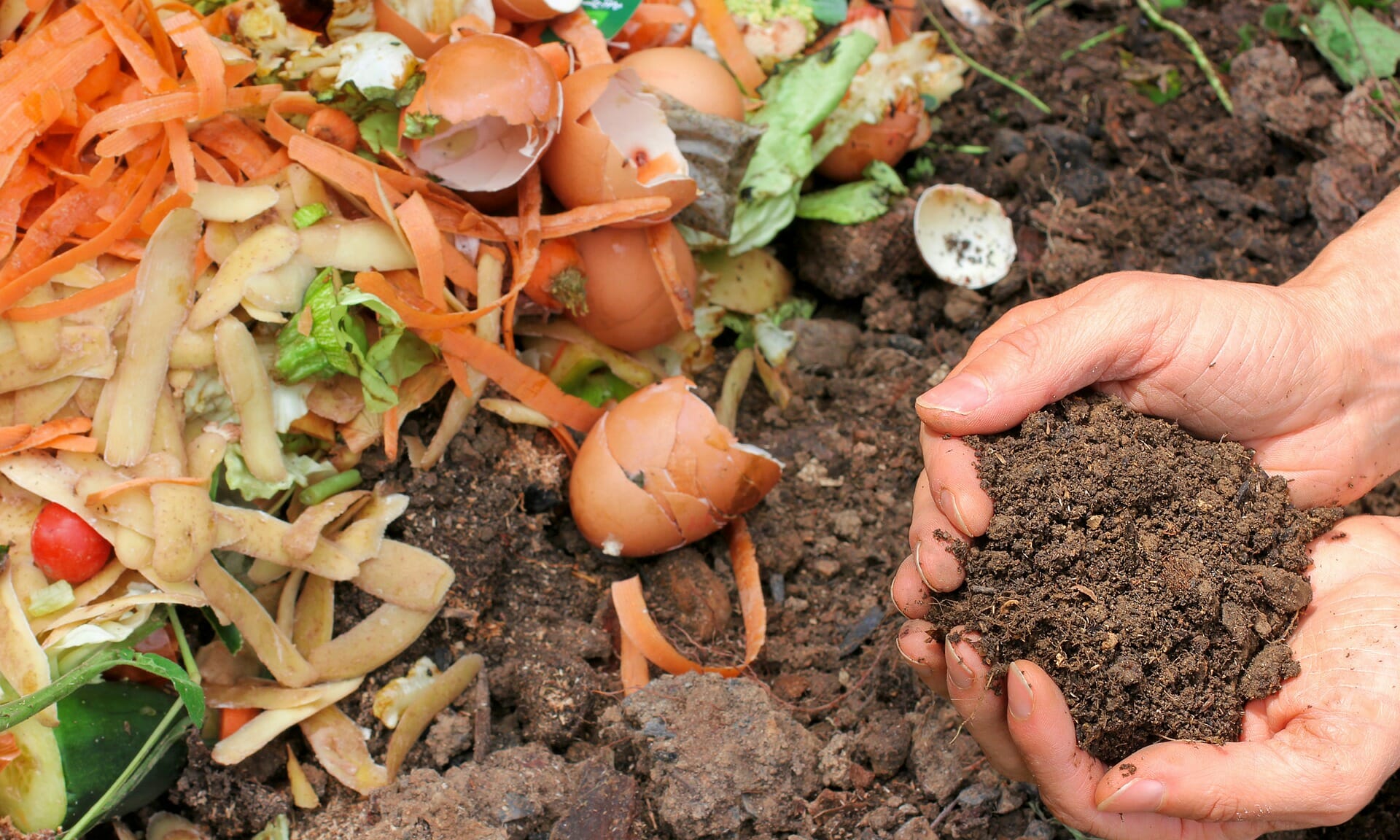
Food waste and Compost Credit melGreenFR via Pixabay

New California Law Requires All Residences and Businesses to Separate Organic Waste for Compost

The goal of the Senate Bill 1383 is to recycle organic waste into useable compost or mulch, and is a model for a more sustainable waste management system

Sadie Baker-WacksbySadie Baker-Wacks
January 7, 2022
in Eco Life, Home, Uncategorized
0

This new law Senate Bill 1383 requires residences and businesses to separate organic waste and food scraps from other trash and put the food waste in the same bin as the yard waste and other organic materials. It also requires big food providers like grocery stores to divert at least 20% of the consumable food they would ordinarily throw out, often due to the sell-by dates on labels, to food banks.  This organic waste will be taken to recycling facilities that will convert the waste into useable materials like compost, mulch, and natural gasses.

A similar law has already been in place in San Francisco, CA, and has already kept 2.5 million tons of food waste out of landfills.  The goal of this law is to reduce “methane by 40%, hydrofluorocarbon gases by 40%, and anthropogenic black carbon by 50% below 2013 levels by 2030, as specified.”

And a raft of similar laws has long been in place in several countries in Europe requiring citizens to separate household waste in separate bins: one each for plastics, food waste, glass and metal, paper and carton. The bins, once full, are placed outside the home and regularly picked up by the municipal authorities, and brought to appropriate places to be either disposed of or recycled. As of July 2020, new EU laws put some order in waste collection across the continent as each country was going its own way, obliging governments, where needed, to improve the way household waste is sorted and collected for recycling and issuing guidance for the purpose.

The European countries with the highest average recycling rate include (in descending order):

  1. GERMANY
65.5%
  1. AUSTRIA
57.6%
  1. BELGIUM
53.9%
  1. NETHERLANDS
52.1%
  1. SWITZERLAND
51.8%


Countries across Europe have committed to meeting the UN Sustainable Development Goal 12 by halving their food waste by 2030.  This means donating food to food banks and teaching children about food waste and encouraging behavioral change.

The video below describes the goals of the California bill, such as a 75% reduction in organic waste by 2025, and how those goals are expected to be achieved.

Why is food waste an issue?

When food waste degrades in landfills it mixes with the other waste and can release methane gas into the atmosphere.  Separating food waste will reduce the amount of methane produced, and will allow for food waste to be recycled.  Food waste makes up 18% of all the material that goes into landfills.

Some cities will accept more food scraps like meat products, whereas others will only require waste from fruits and vegetables, and items made from plants such as coffee filters and paper towels.

Where will the waste go?

Food waste will be composted in residences, community centers, or transported and processed at large facilities like Blossom Valley Organics, which is operated by Recology.  At this facility, organic waste is turned into compost or mulch and is to be resold to farmers.

This compost, when used in combination with cover crops like mustard, will actually pull some gasses that cause climate change out of the air.  The deep roots act as carbon sinks and store these gasses underground, taking them out of the atmosphere.

There will be a variety of options for organic waste that are not as industrial as Blossom Valley Organics.  Residents and businesses can subscribe to smaller local organizations that pick up organic waste and turn it into compost.  This reduces the amount of fuel that is used in transport and allows businesses and residents to support local businesses.

What does this mean for the future?

This bill has the potential to make compost more accessible and cheaper in California, which would allow people to use compost made from their community’s recycled organic waste.  For farmers buying compost in bulk, more compost can mean lower prices.  Incentivizing farmers to use organic compost as opposed to chemical fertilizer will also reduce the chemicals put into the soil and the fuel used to transport these chemicals from other countries.

With these new laws coming into place, (including laws that require restaurants to only give out single-use items like condiment packages and plastic cutlery upon request) this bill has the potential to set an example for other states in the United States to make their waste management systems more sustainable. This is a welcome move, bringing America closer to Europe in the race to create a recycled economy – an essential step to fight climate change and preserve the environment.


Editor’s Note: The opinions expressed here by Impakter.com columnists and contributors are their own, not those of Impakter.com. — In the Featured Photo: Handful of Compost Surrounded by Organic Waste  Featured Photo Credit: melGreenFR via Pixabay

Previous Post

Europe in 2022: What Next?

Next Post

Lili Lamp, A New Light Helping People With Dyslexia Read

Related Posts

Construction Intelligence
Architecture

Reinventing the Build How Modern Construction Intelligence is Transforming the Way We Work

For decades, the construction industry maintained an almost predictable rhythm. Design work was done by hand, calculations for materials were...

byHannah Fischer-Lauder
December 12, 2025
Warehousing done with robots helping with building an efficient supply chain.
Business

Smarter, Smoother Warehousing: Practical Ways Companies Can Strengthen Their Supply Chain

Improving warehouse supply chain operations isn’t just about moving faster. It’s about building a system that can breathe a little,...

byHannah Fischer-Lauder
December 12, 2025
Content writing service
Business

How Big Brands Use Digital Marketing to Stay Visible and Win More Customers

Major corporations didn’t grow into giants overnight. They learned how to stay visible, how to stay relevant, and how to...

byHannah Fischer-Lauder
December 12, 2025
Unexpected Consequences of Investment Treaties in Times of War
Politics & Foreign Affairs

Unexpected Consequences of Investment Treaties in Times of War

Russian state entities are threatening to use the 1989 Belgium-Luxembourg (BLEU)–USSR bilateral investment treaty (BIT) to sue Belgium over the...

byInternational Institute for Sustainable Development (IISD)
December 12, 2025
Trump's intervention in the arts
Culture

Culture Damage Under Trump

The breadth of the Trump Administration’s intervention in the arts has been torturous and staggering. Autocratic regimes have long shaped...

byRichard Seifman - Former World Bank Senior Health Advisor and U.S. Senior Foreign Service Officer
December 12, 2025
PRA cuts 37 reporting templates for UK banks; EU Lawmakers Agree to Slash Sustainability Reporting and Due Diligence Requirements; Projects in fast paced sectors could receive exemptions from environmental impact assessments.
Business

Ease of Reporting Standards for UK Banks

Today’s ESG Updates PRA to Ease Reporting for UK Banks: Prudential Regulation Authority has agreed to remove 37 reporting templates...

byPuja Doshi
December 12, 2025
Discovery of a carbon sponge under the ocean; HSBC survey shines positive acceptance of climate transition; New catalyst for clean hydrogen production; Google signs deal with Ebb for carbon removal.
Business

Scientists Find CO2 Buildup Under the Sea

Today’s ESG Updates Eroded Lava Under the Ocean Stores CO2: Work led by the University of Southampton demonstrates that these...

byPuja Doshi
December 12, 2025
WordPress Hosting - How to do it right.
Uncategorized

5 Best Budget WordPress Hosting Providers That Punch Above Their Price

WordPress hosting costs can spiral quickly when you factor in renewal rates, add-on features, and the inevitable upgrade path most...

byHannah Fischer-Lauder
December 11, 2025
Next Post
Lili Lamp, A New Light Helping People With Dyslexia Read

Lili Lamp, A New Light Helping People With Dyslexia Read

Recent News

Construction Intelligence

Reinventing the Build How Modern Construction Intelligence is Transforming the Way We Work

December 12, 2025
Warehousing done with robots helping with building an efficient supply chain.

Smarter, Smoother Warehousing: Practical Ways Companies Can Strengthen Their Supply Chain

December 12, 2025
Content writing service

How Big Brands Use Digital Marketing to Stay Visible and Win More Customers

December 12, 2025
  • ESG News
  • Sustainable Finance
  • Business

© 2025 Impakter.com owned by Klimado GmbH

No Result
View All Result
  • Environment
    • Biodiversity
    • Climate Change
    • Circular Economy
    • Energy
  • FINANCE
    • ESG News
    • Sustainable Finance
    • Business
  • TECH
    • Start-up
    • AI & Machine Learning
    • Green Tech
  • Industry News
    • Entertainment
    • Food and Agriculture
    • Health
    • Politics & Foreign Affairs
    • Philanthropy
    • Science
    • Sport
  • Editorial Series
    • SDGs Series
    • Shape Your Future
    • Sustainable Cities
      • Copenhagen
      • San Francisco
      • Seattle
      • Sydney
  • About us
    • Company
    • Team
    • Global Leaders
    • Partners
    • Write for Impakter
    • Contact Us
    • Privacy Policy

© 2025 Impakter.com owned by Klimado GmbH