Today’s ESG Updates
- Satellite Images Reveal Glacier Collapse Behind Nepal’s Deadly Floods: A glacier snout broke off and unleashed a flood that has killed nearly 100 people, with over 300 still missing.
- Trump Administration Moves to Fast-Track Arctic Oil Permits: The U.S. is fast-tracking a “categorical exclusion” for winter drilling in Alaska’s National Petroleum Reserve, as part of a broader Arctic energy push.
- Japan Turns to Pipelines to Reshape Energy Strategy: With 93% of its crude transiting the Strait of Hormuz before the Iran war, Japan is now backing Middle East pipeline projects and building a scheme to spread the cost of alternative supplies.
- Cocoa Congests Ports Ahead of EU Deadline: A crop delayed by 8-10 weeks means exporters may have to cram nearly 900,000 tons through Abidjan and San Pedro in just two months.
Nepal glacier collapse triggers deadly flash flood
According to experts who reviewed satellite imagery from Planet Labs, a Nepal glacier collapse near the Tibet border likely triggered Wednesday’s deadly flash flood. The lower section of a glacier broke off at roughly 5,200 meters and slammed into the valley floor 1,200 meters below, releasing a mix of ice, rock, and debris.
Nepali officials suspect a nearby earthquake may have destabilised the glacier, though this remains unconfirmed. The flash flood has claimed nearly 100 lives so far, with over 300 people still missing across Nepal and Tibet.
Scientists noted unusually warm conditions and rapid snowmelt in the 24 hours before to the collapse. The disaster adds to growing concerns over climate-driven glacial instability across the Hindu Kush Himalayas. In 2023, the United Nations reported that Nepal’s mountains had lost close to one-third of their ice in just 30 years.
Klimado – Navigating climate complexity just got easier. Klimado offers a user-friendly platform for tracking local and global environmental shifts, making it an essential tool for climate-aware individuals and organizations.
U.S. eases environmental reviews for Alaska oil and gas drilling
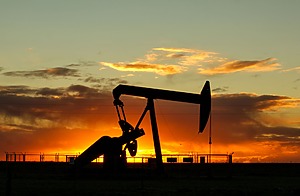
The U.S. Interior Department is preparing to ease environmental review requirements for Alaska oil and gas drilling in the National Petroleum Reserve. This move comes as the Trump administration pushes to accelerate Arctic energy development, an Interior spokesperson confirmed Wednesday.
The agency plans a “categorical exclusion” to speed up permitting for winter exploration activities. This would include seismic surveys and exploratory drilling, based on decades of prior reviews showing minimal environmental impact under standard mitigation measures.
Energy Secretary Chris Wright is expected to visit Alaska this week to promote the initiative, though a related LNG terminal project has faced legislative setbacks.
The reserve spans roughly 23 million acres on Alaska’s North Slope. Environmental groups warn the streamlined approval process could weaken protections for wildlife and fragile tundra ecosystems.
Related Articles
Here is a list of articles selected by our Editorial Board that have gained significant interest from the public:
Japan moves to cut Hormuz dependence with new energy plan

On Wednesday, Japan unveiled a plan to diversify its crude oil supply and reduce reliance on the Strait of Hormuz, the main source of crude imports before the Iran war. The strategy, outlined by the government’s Green Transformation Council, includes financial backing for Middle East pipeline projects via the Japan Organization for Metals and Energy Security that would bypass the strait entirely.
In 2025, Middle Eastern crude made up 94% of Japan’s oil imports, with 93% transiting Hormuz, though no specific reduction target was set. The government plans a levy-funded scheme to share added transport costs for alternative supplies, alongside a reinsurance scheme for shippers and expanded naphtha reserves.
The plan also promotes nuclear power and renewables as Japan seeks to cut its $125.8 billion annual fossil fuel bill and boost energy self-sufficiency.

Ivory Coast cocoa crop delay risks port congestion before EU rules

Ivory Coast’s Coffee and Cocoa Council fears a delayed 2026/27 main cocoa crop could trigger port congestion. This is because exporters are rushing shipments before the stricter EU deforestation rules take effect at the end of the year.
Sources from the council and exporters expect congestion at Abidjan and San Pedro ports in November and December, with storage capacity likely strained. The main crop has been delayed by difficult weather, poor farm maintenance, and a strong mid-crop, pushing the season back by eight to ten weeks.
Though the season officially starts September 1, the weekly arrivals are expected to stay below 15,000 tons in September and 25,000 tons in October. The cocoa council expects total crop arrivals of no more than 1.4 million tons by February 2027, with roughly 900,000 tons expected at ports between October and December.
Editor’s Note: The opinions expressed here by the authors are their own, not those of impakter.com — Cover Photo Credit: Geetangey.