This article on the city of Beira in Mozambique is part of our Sustainable Cities series, done in collaboration with ICLEI — a global network of over 2,500 local and regional governments committed to sustainable urban development.

In 2019, Mozambique was ranked the most climate-vulnerable country by the Global Climate Risk Index. That same year, tropical Cyclone Idai claimed over 600 lives, displaced 16,000 residents, and damaged 70 percent of homes, with the poorest neighbourhoods bearing the brunt of the devastation. Idai was succeeded by Cyclone Chalane (2020-21) and Cyclone Eloise (2021), leaving the city of Beira with insufficient time to recover before encountering subsequent impacts. More concerning is that these events are expected to increase in the coming years.
Situated at the confluence of two major rivers and a rising ocean, the low-lying city of Beira is one of the world’s most vulnerable. Prone to severe flooding exacerbated by climate change, this Mozambican coastal city faces heightened risks for its most vulnerable residents. Flooding intensifies during cyclone events. Yet, amidst these challenges, the people of Beira exemplify considerable resilience.
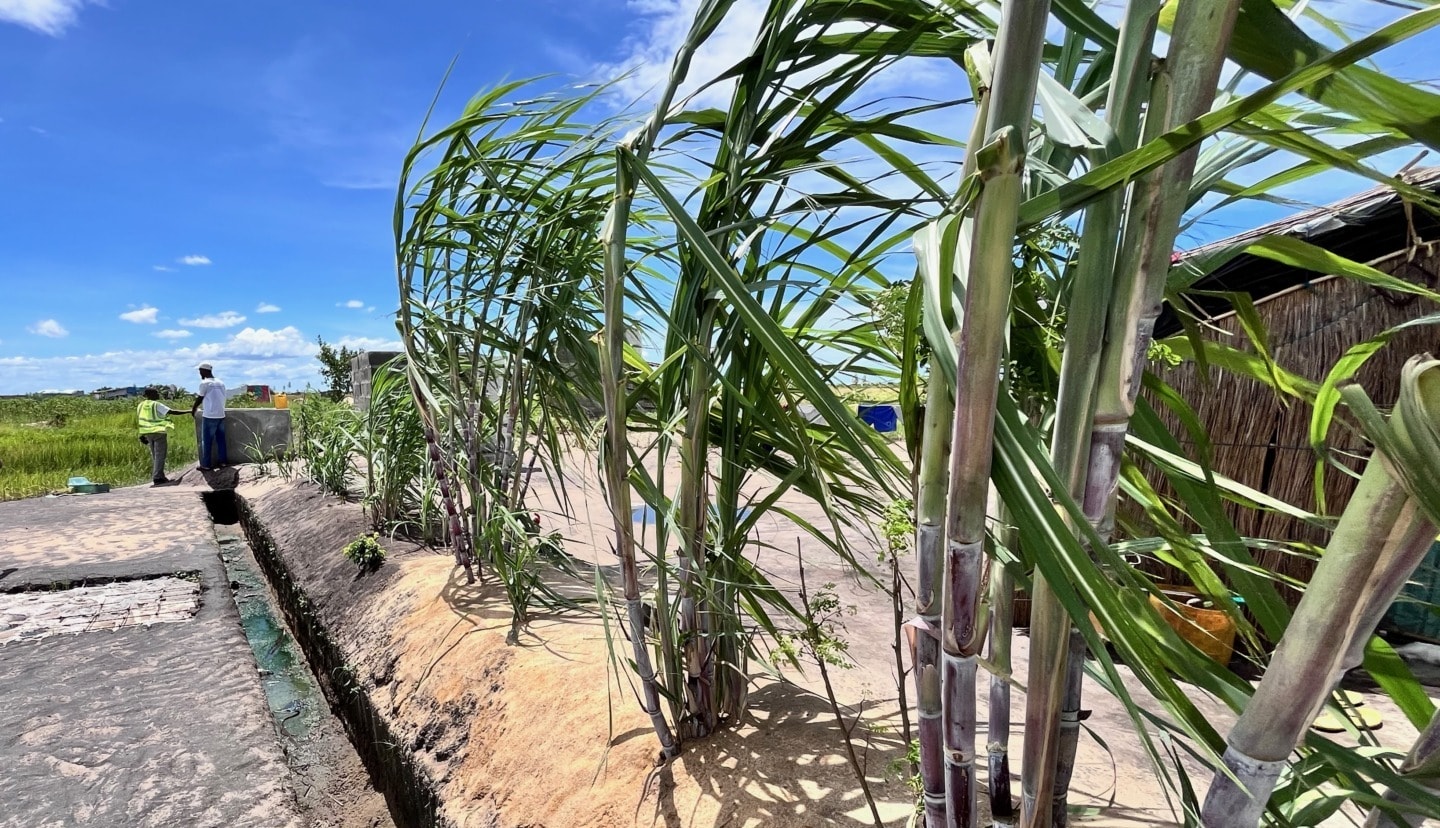
Take Emilia — a local mother and subsistence farmer. On a typical day, between caring for her children and crops and collecting water, Emilia clears debris that the Indian Ocean winds have blown across her land. Her family’s house, built from sugarcane stalks and a plastic tarp, stands fragile against the elements and is encircled by one meter-deep ditches that serve as drainage channels.
When rainwater fills these, signalling potential flooding, Emilia evacuates her family to the Mungassa District school, which is the nearest pre-relocation centre. Many Beirense have adopted such measures as a response to extreme weather events and have taken responsibility for what they can to strengthen their resilience.
Who is responsible?
Local authorities in Beira have the dual responsibility of helping to implement climate security for an exposed population, and navigate the various approaches to disaster management introduced by international partners. Despite established community structures providing resilient subsistence services, losses and damages often remain uncompensated, and post-disaster aid can be sporadic, leaving the city isolated amidst climate-related events.

Building resilience to adapt to this exposure requires the international community to localise climate action. When cyclone Idai hit, assistance could not reach the city for several days, leaving the population without electricity for weeks. Months later, the Mozambique Humanitarian Response Plan reported that over half a million people were still residing in destroyed or structurally damaged homes and makeshift shelters.
In the aftermath of such extreme weather events, vulnerable groups face risks that locally-driven aid can address, including infectious diseases, sexual exploitation, child labour, gender-based violence in shelters, and inadequate healthcare for pregnant women, individuals living with HIV, or those with disabilities.
Related Articles: Collective, Local Action for Global Impact: Del Carmen’s SDG Success Story | Fort Collins’ Sustainability Journey: A Testament to Holistic Nature Conservation | Colombia’s Capital Leads in Sustainable Transportation and Clean Mobility | Smart Cities: How to Meet the Challenge of a Growing Population | How Malmö is Using Innovative Procurement as a Tool for Circular Development | Becoming a Model Climate Action City: The Journey of Pasig, Philippines | The Line City of Saudi Arabia — a Greener Future?
Beira presents local solutions for other cities to support and replicate. Each local neighbourhood has a Committee for Disaster Management, comprising gender-balanced groups of 18 community members, who work alongside municipal and governmental institutes for risk reduction.

These committees serve as the backbone of resilience, coordinating national and international aid efforts and ensuring essential disaster-relief tasks are carried out, even amidst storms. Hosted at every district’s administrative posts, these committees rely on subsidiary community leaders assigned to each block of houses, which fosters a strong bond among inhabitants.
Nonetheless, the Beira Municipality estimates that 275 million USD is needed to implement its recovery and resilience ambitions, as detailed in its “Master Plan Beira 2035” and subsequent plans.
Working with partners to understand and implement innovative strategies
In collaboration with ICLEI Africa, and as part of the Designing Inclusive African Coastal City Resilience (INACCT) research project, Beira serves as a vital case study in understanding and implementing innovative strategies for resilience building in the face of climate change. ICLEI Africa is committed to improving the lives of those most affected by climate disasters, and INACCT Resilience is an action-oriented research project focused on two coastal cities: eThekwini (Durban) in South Africa, and Beira in Mozambique, both having recently experienced extreme climate-related flooding that caused severe urban and environmental damage, displacement, and loss of life.
In so doing, this project addresses SDG 5: Gender Equality, SDG 10: Reduced Inequalities, SDG 11: Sustainable Cities and Communities, SDG 13: Climate Action, and SDG 15: Life on Land. Vulnerable communities are hardest hit by these events, which have social, economic, and environmental implications, and cause major disruptions to their everyday lives.
This research project aims to support cities like Beira in developing and implementing gender-responsive climate resilience frameworks and strategies that are locally driven and community-centered. By partnering with organisations like ICLEI Africa and participating in research initiatives such as INACCT Resilience, Beira is not only addressing its immediate climate challenges but also contributing to a broader knowledge base that can benefit vulnerable communities worldwide.
As we confront the escalating impacts of the climate crisis, we can draw inspiration from Beira’s community-driven solutions and work together to build a more equitable and sustainable future for all. The time to act is now, and together, we can ensure that no community is left behind in the fight against climate change.
Editor’s Note: The opinions expressed here by the authors are their own, not those of Impakter.com — In the Cover Photo: When the water in the ditches rise, community members are alerted of potential flooding. This is one of many resilience measures taking place on the ground in Beira. Cover Photo Credit: Author.