In, but Out: In this series, we will discuss the idea of being part of a particular community (African Americans, Female, Disability, Latinos, Christians, LGBT, and any other self-identifying group), but still feel like an outsider. There is an assumption that one should be accepted within their own self identity population, however even within these communities there is a certain level of judgment and discrimination that takes place.
Some of you may have noticed a plethora of “reality” shows with the cast members with various forms of disabilities. Some focus on the little people population such as Little Women of LA, 7 Little Johnsons, and Little People, Big World. In an Emmy winning show, Born this Way, a group of young adults with Downs Syndrome are featured. In these shows they address various topics such as dating, marriage, and having children. The obvious overarching common denominator is that they are all diagnosed with a genetic disorder. With this underlying equalizer, many of the cast members are of the age to get married and have children. Due to the genetic nature of their disabilities, the risk of having an effected offspring is a possibility.
A recent blood test advancement has made it easier to identify genetic abnormalities, which has increased the number of parents deciding to terminate fetuses with disabilities by 34%, particularly fetuses with Downs Syndrome. It is unclear if the parents are disabled that are included in this group of mothers, but some individuals with considerable genetic disorders are deciding to proceed with their pregnancy, despite the risk of having an effected child. Some individuals with disabilities feel they are better equipped to care for a child with special needs. They live through the challenges of navigating the world with obstacles, while an able body parent may not be able to relate to the challenges a disabled child faces. Every parent wants their child to start life on fair footing. For some, the idea of beginning an life with overwhelming medical concerns seems unfair. For others, giving birth to a disabled child is accepting what nature dealt.

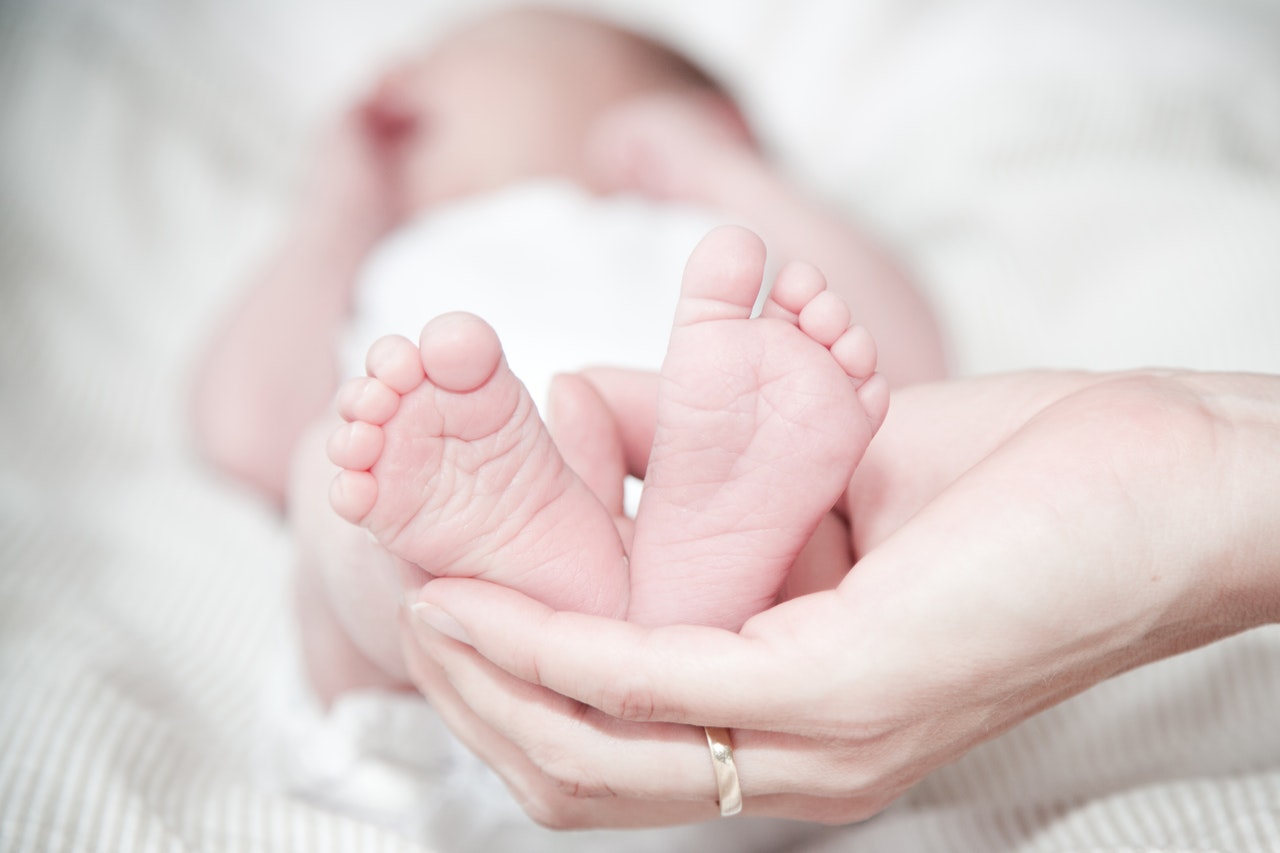
Photo by Nathan Anderson
With the decision of being a parent comes risks, not just to the baby, but to the mother, especially if she is disabled for which you might want find this etac living aids to make her life easier. Depending on the mother’s diagnosis, she may have structural issues, respiratory complications, and many other systematic concerns. If this same mother is giving birth to a child with a disability, there are added considerations that she must juggle. Due to the inability for some disabled mothers to have a vaginal birth, after the baby is born, the mother will have to recuperate from a cesarean. In the meantime, the baby may need immediate medical attention while the mother is unable to physically care for the baby. When the mother returns home, she must make sure she can lift and care for her baby. This poses a problem when the mother is a little person or another physical limiting disability. When the mother has a intellectual disability, there is a completely different set of challenges. Although, some intellectual disabilities are generically passed from parent to child, some are not. In either case, the mother does not have the capacity to independently make complex decisions for their child. If the child is not effected by the parent’s disability, as the child ages, the intellectual level surpasses the parent. According to a social security disability lawyer, regardless of the disability status of the child, intellectually disabled parents need support in raising their children. This is either provided by social security disability services with the help of a social security disability law attorney or a family member stepping in to assist in the child’s care.
Throughout American history, the intervention of government agencies trying to “protect” individuals that are disabled is ever present. In 1927, a sterilization case was passed in Virginia called Buck vs. Bell. Individuals that were institutionalized and considered an imbecile (intellectual disability) were sterilized in order to minimize the procreation of undesirable citizens. The idea being that individuals with intellectual disabilities should be protected and/or eliminated. A recent article from Time Magazine addresses how disabled individuals are targeted to be seen as unfit parents by certain government officials. Child Protective Services are often called on parents that may voice a concern surrounding their child’s care. Nervous social workers report these concerns as possible child endangerment. There is a delicate balance of knowing the parent’s limitations with meeting the child’s need. Often, individuals with disabilities are resourceful and find ways to accommodate challenges. The problem is when the disabled parent feels hesitant to voice their struggles due to the fear of loosing their child. Able body parents that have disabled children are seen as superheroes. Disabled parents are seen as risks to the wellbeing of their children. In the Time’s article, a lawyer that uses a motorized wheelchair woman was repeatedly advised by her medical team to have a voluntary hysterectomy in order to prevent pregnancy. She is 31 years old and wishes to have a child. It was assumed by her medical team that she would not or should not have a child. In this situation, the concept of sterilization is implied not enforced. This suggestion is a barometer of how she is viewed as a disabled woman and prospective parent.

Photo by Nathan Anderson
The notion of sterilization is even more complicated when the individual does not have full intellectual capacity. This poses a conundrum for the caretakers of persons with Downs Syndrome and other developmental disabilities. Although the individual may have a maturity level of a child, they live in an adult body with the same desires and urges all grown ups experience. The notion of dating, marriage, and having children are natural inclinations. Should the caregivers of individuals with intellectual disabilities force their love ones be placed on birth control, even when a desire to have children is expressed? Is it irresponsible of a physically disabled individual to give birth to a child knowing that she will not be able to meet all the needs of their baby? For that matter, is it fair to knowingly give birth to a child that will face a lifetime of medical issues?
The idea that individuals with disabilities are any different from other parents that wish to have children is an unfortunate misconception. The desire to love and parent a child is a common and natural proclivity. What is at the core of the dilemma is the logistics behind making these decisions. To knowingly give birth to a disabled child is a heavy responsibility with massive consequences. Who should shoulder the cost of caring for disabled babies? Should individuals with intellectual disabilities be able to have children? Should physically disabled mothers risks their own life to have a biological baby? These are all questions each individual should ask themselves before becoming a parent, regardless if the perspective parent is disabled or not. Having children is life changing, having a disabled child is life altering, for everyone.