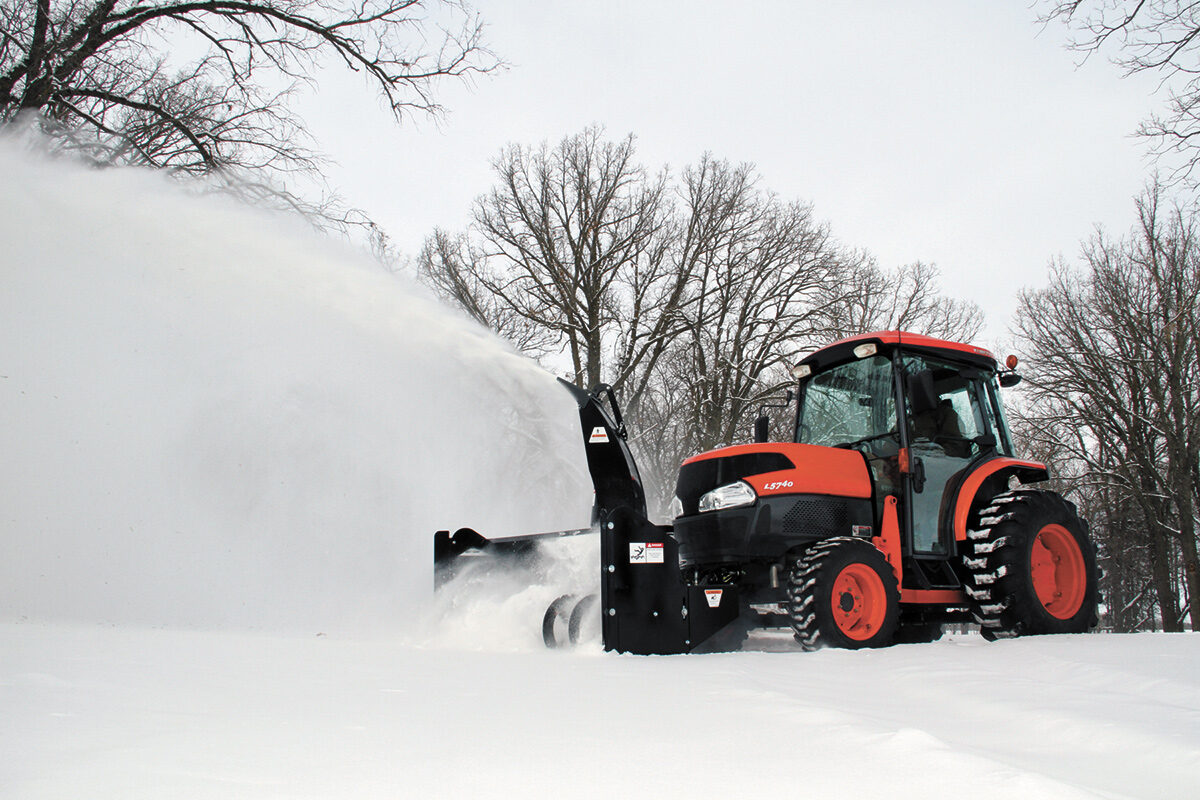
Heavy snowfall creates pressure fast. Roads need attention immediately, businesses want customers to move safely, and property managers are expected to keep everything running with as little disruption as possible. The problem is that many snow removal operations still waste time and fuel doing work that could be handled more efficiently.
That is starting to change. More operators are paying attention to how much repeated clearing, machine downtime, and unnecessary fuel use can build up over a single season.
Because of that, equipment decisions are being looked at differently now. A modern snowblower tractor attachment not only helps crews clear snow faster, but also helps reduce the kind of operational waste that often goes unnoticed during winter maintenance.
The Hidden Waste Behind Traditional Snow Removal Operations
Older snow-clearing methods can create more waste than many people realize. In some cases, operators need to make several passes over the same area because equipment struggles with deep snow or poor visibility. That increases fuel use and extends operating hours.
Labor costs can climb fast during heavy winter weather. Crews usually end up working long hours in difficult conditions, especially if storms keep coming one after another. And if equipment starts failing or struggles to handle deeper snow, delays quickly become part of the problem.
This affects more than just budgets. Slow snow removal can disrupt transportation, delay deliveries, and make public spaces less safe. For farms and commercial facilities, even small delays can interrupt daily operations.
There is also the environmental side of the issue. Repeated clearing passes, aging machinery, and unnecessary idling all increase fuel consumption. Over time, inefficient winter maintenance can quietly create a larger environmental footprint than many organizations expect.
Why Winter Operations Are Facing New Pressures
Winter weather does not really follow a pattern anymore. Some days stay manageable, and then suddenly a storm drops enough snow overnight to slow down roads, businesses, and daily operations. Crews are expected to respond quickly no matter how difficult the conditions become.
At the same time, winter operations are becoming more expensive to manage. Fuel prices continue to rise, skilled operators are not always easy to find, and older equipment can slow the entire process down during heavy snowfall.
Because of that, many organizations are starting to rethink how they approach snow removal. The focus is shifting toward equipment that helps crews work more efficiently, avoid repeat work, and keep operations moving without wasting extra time or resources.
How Better Snow Equipment Reduces Extra Work
A lot of newer snow equipment is designed with one main goal in mind: helping operators get the job done faster without creating extra work. Over an entire winter season, that can save a surprising amount of time, fuel, and effort.
Better Precision Means Less Waste
Older systems often require multiple clearing passes, especially during heavy snowfall. Modern equipment is built to clear snow more effectively in a single pass, which helps reduce fuel use and unnecessary machine hours.
Front-mounted systems also improve visibility for operators. That makes it easier to work around parking areas, road edges, and tighter spaces without wasting extra time repositioning equipment.
Lower Fuel and Labor Demands
Efficiency is not only about speed. It is also about reducing the amount of labor and fuel needed to complete winter maintenance work.
Modern hydraulic controls help operators direct snow more accurately and adjust equipment quickly as conditions change. This can reduce delays during large clearing jobs.
Some of the biggest operational benefits include:
- Fewer repeat clearing passes
- Reduced equipment idling
- Lower fuel consumption
- Faster response during storms
- Less strain on operators during long shifts
Over a long winter season, even small efficiency improvements can make a real difference in reducing wasted time, fuel, and equipment use.
Equipment Versatility Matters Too
A modern snowblower tractor attachment can also help organizations make better use of existing machinery. Rather than keeping different machines for every seasonal task, many crews use attachments that help tractors handle different kinds of work year-round.
That flexibility helps reduce unnecessary equipment costs while improving long-term resource efficiency.
Sustainability in Winter Operations Is About More Than Emissions
Winter maintenance creates waste in ways that often go unnoticed. Extra fuel use, repeated clearing passes, equipment breakdowns, and long operating hours can quietly increase costs and operational pressure over time.
That is why many operators are focusing more on efficiency. Smarter equipment and better planning can help reduce downtime, limit unnecessary machine wear, and improve worker safety during demanding weather conditions.
For many communities and businesses, the goal is no longer just getting through winter storms. More attention is being placed on how resources, equipment, and labor are managed across the entire season.
Wrap Up!
Snow removal used to be treated as a basic seasonal task. Clear the roads, open the lots, and move on. But winter operations are becoming more complicated than that, especially for larger properties and public infrastructure teams.
Many operators are paying much closer attention to efficiency now because small problems add up over an entire winter season. Extra fuel use, long clearing hours, and equipment sitting idle during breakdowns can quietly increase both costs and operational pressure.
Editor’s Note: The opinions expressed here by the authors are their own, not those of impakter.com. In the Cover Photo: Modern snoblower tractor with attachment Cover Photo Credit: erskineattachments