Microorganisms exist in large quantities all over the planet – both on land and in the sea. They impact nearly all aspects of human life from food production to medicine, even human behaviour.
When understanding them and using them is so crucial for even the most basic aspects of human life, researchers at Michigan Technology University (MTU) are looking to use microorganisms to tackle two of the biggest environmental and humanitarian issues of our time: plastic waste and food insecurity. The team are hoping to produce protein powder, a dietary supplement.
Currently, plastic waste can already be broken down naturally by microorganisms. A study conducted by the University of Cambridge found that some bacteria found in lakes and open water grow faster on plastic bags than they do on natural debris like sticks and leaves.
The study even found that microorganisms in the lakes were actually able to break down the plastic into carbon compounds at a faster rate in lakes where there is less naturally-occurring carbon. This means the plastic here is acting as a food source for these microorganisms.
However, this process is very slow and requires a large amount of chemical energy. This is where MTU’s research comes in. By introducing an initial chemical breakdown of plastics, the microorganisms are left with intermediate compounds that they can more easily break down and convert into biomass.
The team at MTU, led by Professor Steven Techtmann, hope that their research will create a low-cost protein powder, helping combat hunger all over the world whilst working towards eliminating plastic waste.
“It does kind of seem sci-fi to be able to say that we’re going to convert plastic into something that you can eat,” Techtmann said in an interview with Michigan Live.
Related Articles: How Biomimicry Can Solve the Environmental Crisis, Cemvita Factory, Developing A New Sustainable Fuel For Aviation, Biohacking: The Latest Health Craze, Health Hazard or Biowarfare?, Synthetic Biology in Our Future from a One Health Perspective.
He went on to explain the rationale behind the project: “what we’re trying to do with this is to take plastic, break it down, feed it to microorganisms and then recover those microbial cells as a food product.”
Techtmann’s work on plastics began following the Deepwater Horizon crisis when he was testing to see if microorganisms could help with the clean up. Whilst microorganisms have been in long-term use when it comes to stabilising crude oil, the discovery that they can eat synthetic materials like plastic was groundbreaking.
Speaking to MTU’s press office, Techtmann says it’s as simple as “put plastic in one end and get this powder out of the other.” His research means “we can help get people food quickly when they need it the most, and it becomes one of the tools we could use in how we process plastic.”
Microorganisms, plastic waste and food security
The US military has expressed an interest in this technology, with the Defence Advanced Research Projects Agency providing $7.2 million in funding. Each active member of the US army produces a pound of plastic waste per day on average, mostly water bottles and meal packaging.
The research is also important for helping undernourished populations across the world. According to the World Food Programme, 828 million people live in food insecurity – not knowing when or where they will get their next meal. The issue is also only going to get worse with climate change.
Conflict is another factor driving food insecurity, with conflict in Europe intensifying the food crisis and fighting in Sudan expected to push millions more into food poverty.
Techtmann would like to see his technology used beyond just disaster relief in the future: hoping his plastic turned protein powder will become the next Impossible Meat. “If this becomes more widely available, it could go from food to survive to food to thrive,” he says.
🚨WFP has been forced to call a temporary halt to operations providing life-saving food and cash assistance in #Sudan, where a third of the population already struggles to get enough food to eat.
🔗https://t.co/OPf7d08ric pic.twitter.com/yoqE46hqhU
— World Food Programme (@WFP) April 20, 2023
Solving plastic waste is another pressing issue facing our planet. There are thought to be 171 trillion pieces of plastic in the ocean, much of it being tiny microplastics. Not only is this affecting our wildlife by giving them new diseases and changing their behaviours, there is also now plastic in the food we buy, cook and eat. Microplastics have even been found in human bodily fluids like blood and breast milk.
Techtman is excited and hopeful that his team could address two seemingly insurmountable problems with microorganisms. “I think what we’re doing is really cool, and we’re potentially going to contribute to helping to solve some of these problems,” he said, “but it’s going to take a lot of other people and a lot of energy and a lot of expertise.”
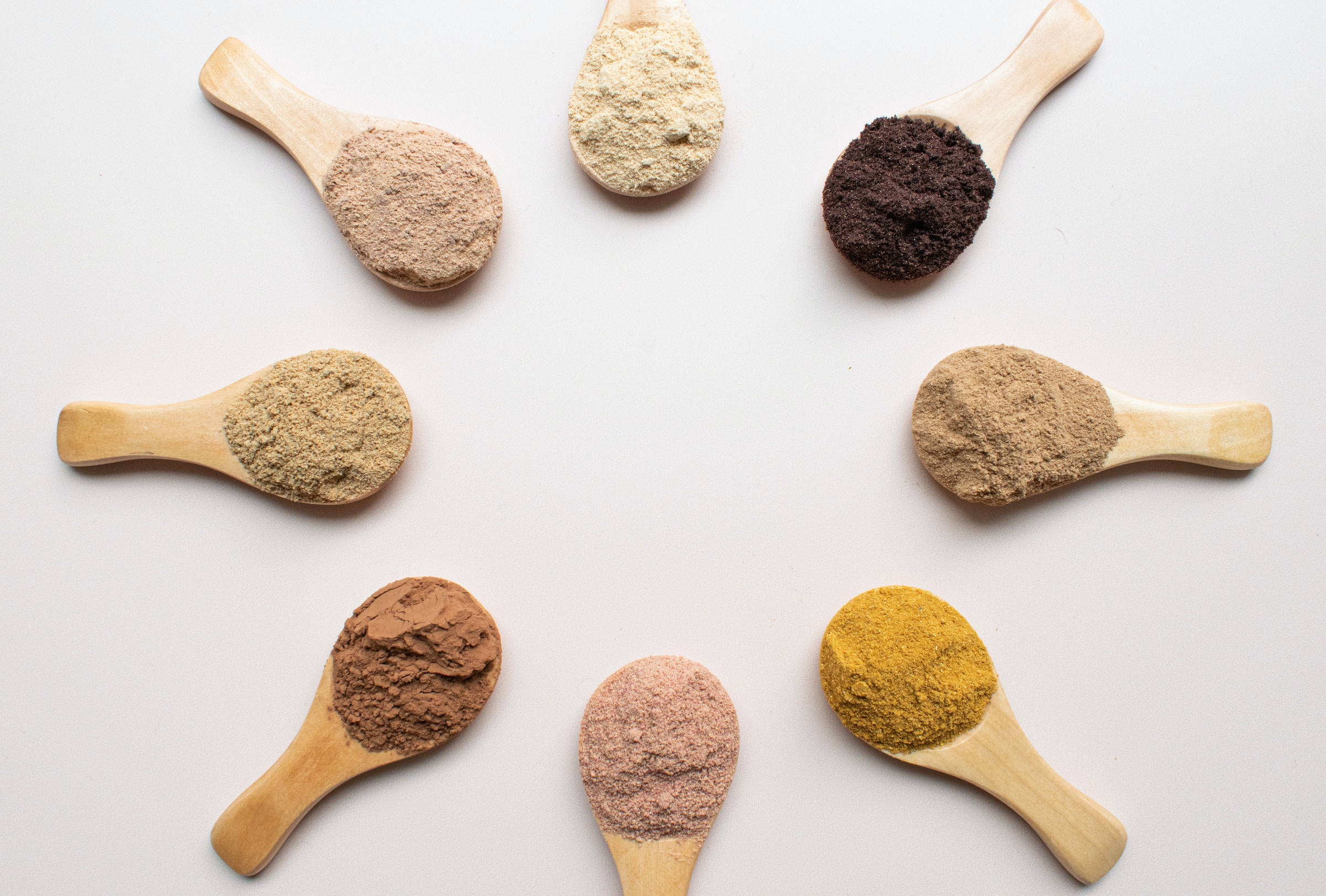
Editor’s Note: The opinions expressed here by the authors are their own, not those of Impakter.com — In the Featured Photo: Protein powders. Featured Photo Credit: Unsplash.