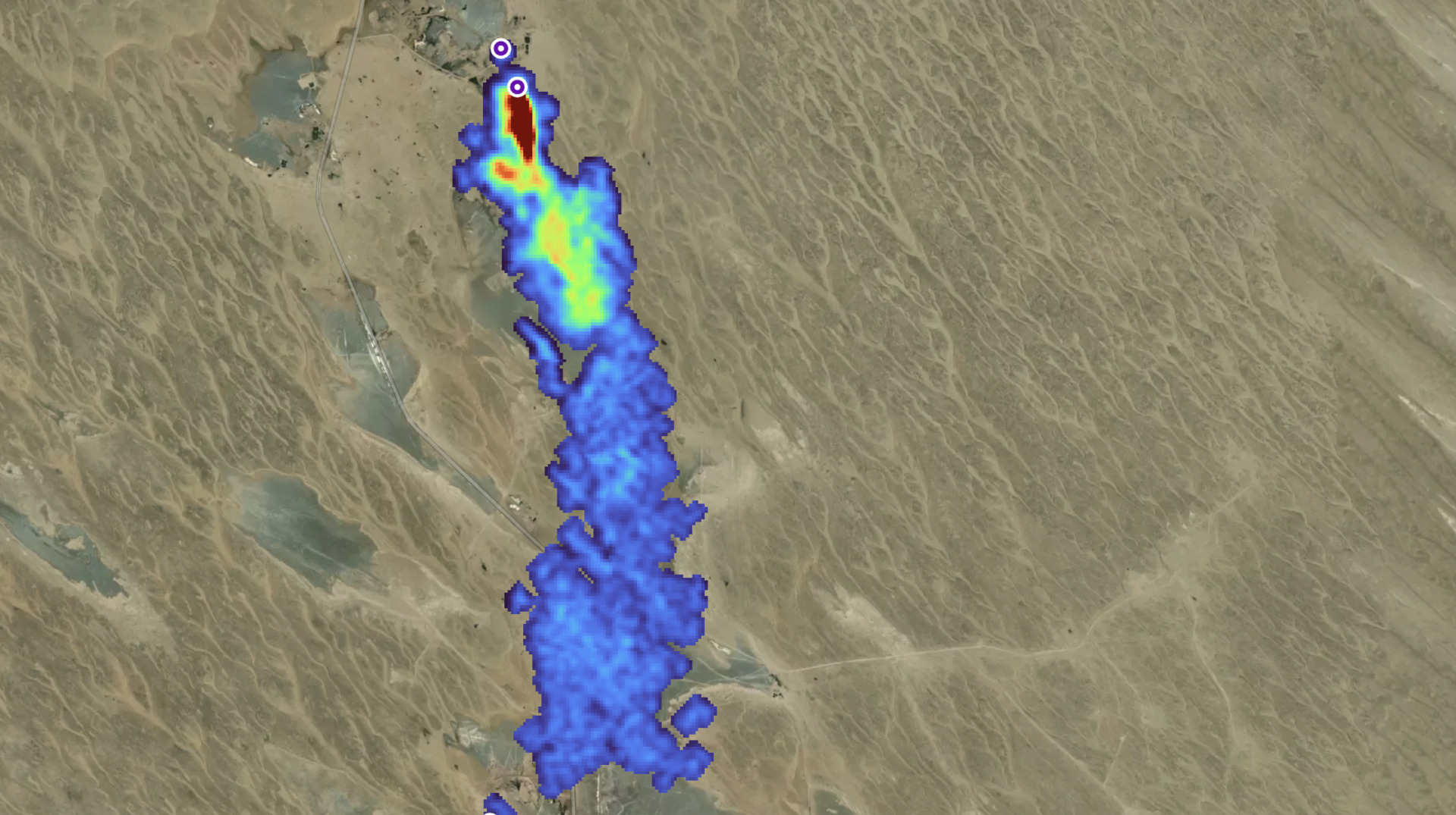
Methane is a powerful greenhouse gas produced both in nature and, to a significant extent, by human activity. It is the second-highest contributor to global warming, following close behind carbon dioxide. Due to its ability to trap heat in the atmosphere, methane is the most potent GHG, and its effect on global warming is 82.5 times that of carbon dioxide over a 20-year span. The difference: methane spends about 10-12 years in our atmosphere, while carbon dioxide lasts for thousands.
Global Warming’s Emergency Brake
Currently, methane emissions contribute to one-third of global warming. Cutting methane emissions would hold off further warming, giving the planet some much-needed time. A 45% cut in methane emissions could hold temperatures back by about 0.3 °C by 2045, according to the Global Methane Assessment.
The report, a joint effort by the Climate and Clean Air Coalition (CCAC) and the United Nations Environment Programme (UNEP), also states that a 45% cut could save 260,000 lives by preventing premature deaths from air pollution. In addition to saving lives, a reduction of this magnitude would reclaim 73 billion hours of labor that would otherwise be lost due to extreme heat and prevent the annual loss of 25 million tonnes of crops.
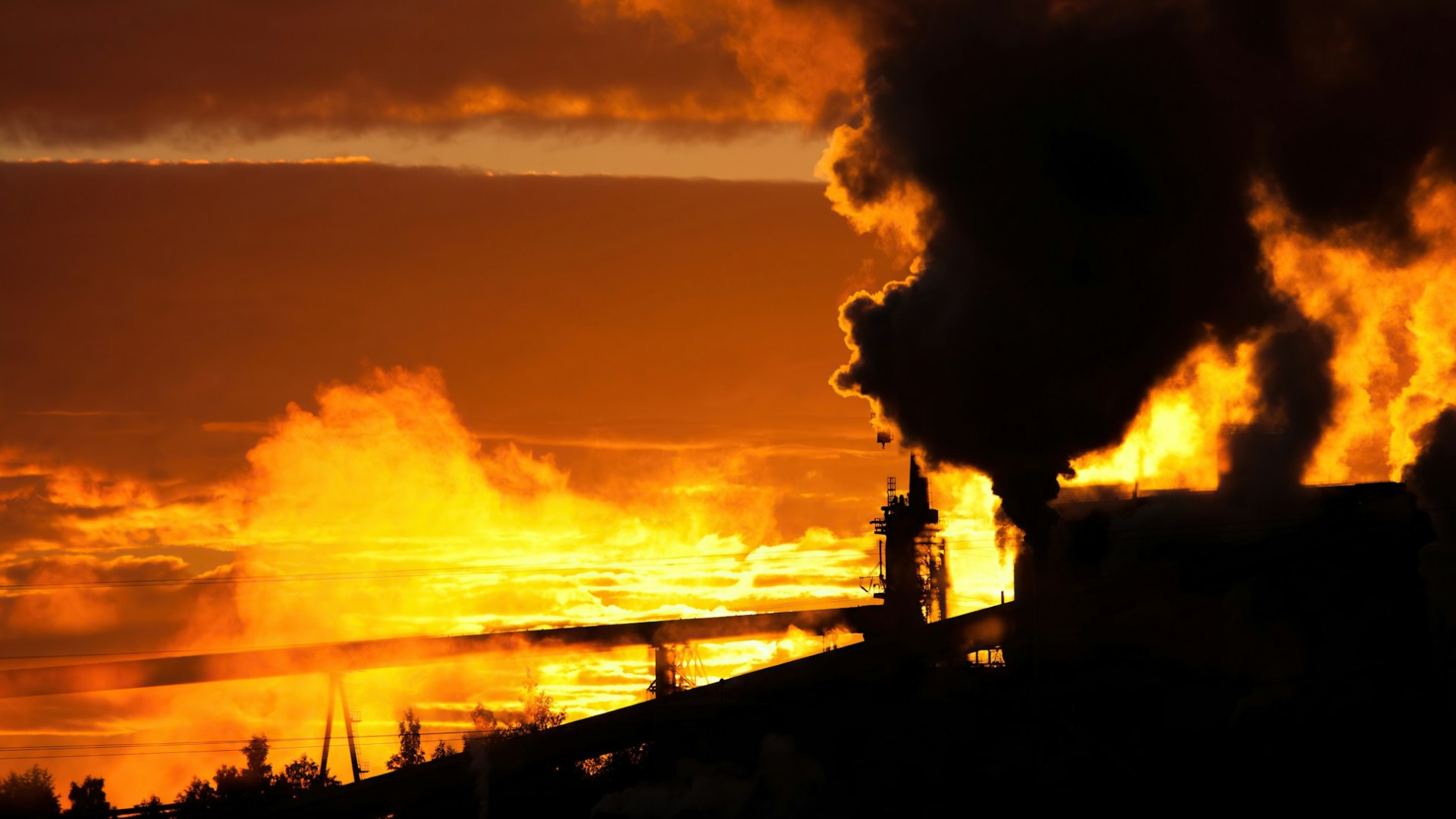
Experts have claimed that eliminating methane emissions would be an “emergency brake” for global warming. Durwood Zaelke, President of the Institute for Governance and Sustainable Development, said:
“Cutting methane is the single most important strategy to slow near-term warming. In fact, it’s the only strategy that has a chance of working. Cutting carbon dioxide is a marathon, but methane is a sprint.”
As mentioned above, methane is produced both by natural sources and human activities. Natural sources include wetlands, volcanoes, termites, and decomposing vegetation. Human activities include agriculture, landfills, and the production and burning of coal, oil, and gas. Of all these activities, one-third of methane emissions come from the energy sector.
The Top 25 Methane Polluters: Oil and Gas
Production of oil, gas, and coal creates annual methane emissions of 120 million tonnes. The University of California, Los Angeles (UCLA) broke these emissions down and released a list of the top 25 methane polluters in the oil and gas sector worldwide. The top emitters were located in Turkmenistan, Venezuela, Iran, Pakistan, and the United States.
The analysis used Carbon Mapper’s two space-based tools, NASA’s EMIT instrument on the International Space Station, and Planet Labs’ Tanager-1 satellite. The researchers at UCLA took the raw methane emissions data from 4,404 plumes observed at 2,489 oil and gas sites and compiled a list of the world’s biggest offenders for the entirety of 2025.
Of the 25 methane leaks, 15 are in Turkmenistan. According to the list, the 15 plants combined release 85.8 tonnes of methane into the Earth’s atmosphere every hour. “Management has placed this under special control, and leaks are being repaired locally within two to three days,” Muhammetberdi Byashiev, the head of the environmental protection department at the state company Türkmengaz, said in October. Yet, significant leaks remain.
Ninth on the list is a plant in Stanton, Texas, in the United States. The Energy Transfer plant releases 5.5 tonnes of methane per hour, equivalent to the emissions from about a million SUVs over the same period.
Cara Horowitz, Executive Director of the Emmett Institute on Climate Change and the Environment at UCLA School of Law, said:
“Americans should be surprised and angered by the fact that the US lands pretty high on this list of top super-polluting plumes. We in the US tend to think of our industry as fairly well and cleanly run, but this shows that we still have work to do.”
Top 25 Methane Polluters: Landfills
Another source of methane emissions is rotting organic waste in landfills. A researcher from Columbia University, Nickolas J. Themelis estimated that 44 million tons of methane are released from landfills each year.
As part of the Stop Methane Project, UCLA studied 1,800 emissions observations from 600 waste sites. The researchers compiled a list of the top 25 landfills that emit 3–7 tonnes of methane per hour. These landfills are spread out across the globe.

The top-polluting landfill is located in Algiers, Algeria, and emitted 7.4 metric tonnes per hour between January 2 and September 18, 2025. According to the UCLA research, a landfill emitting 4 metric tonnes of methane per hour is equivalent to one large (500-megawatt) coal-fired power plant. The landfill in Algiers is almost double that.
The Methane Leak Solution: What Experts Say
Paul Bledsoe, a former Clinton White House climate adviser, said cutting methane was “the rocket in the pocket” for delaying climate tipping points. “It’s effective and it’s cheap to reduce methane — two-thirds of the reductions needed from the energy sector could be done at zero net cost,” he added.
According to the CCAC, combatting methane emissions from landfills could be as easy as installing biocovers, a low cost option which uses naturally occurring bacteria to oxidize methane.
An August 2023 report found that methane emissions are severely underreported. According to the International Energy Agency (IEA), global, energy-related methane emissions are about 80% higher than those reported to the UN Framework Convention on Climate Change (UNFCCC). Transparency and accountability measures must be put in place to stop this.
The simplest fix for methane leaks in the energy sector is to update infrastructure. Horowitz said:
“It is really maddening. These sites are the result of poor maintenance — if you upgraded the infrastructure a little bit, did good housekeeping, you could solve a really important part of the problem. We’re hoping that by bringing visibility to these major issues, we will help increase public and political pressure to do something.”

For the natural gas industry, this could mean eliminating flaring and expanding gas collection systems. Simple upgrades and “good housekeeping” could minimize methane plumes and significantly cut emissions.
The Methane Leak Solution: What’s Being Done
The European Commission is taking steps to combat methane emissions in both the European Union (EU) and global supply chains, implementing the EU’s first methane regulation on August 4, 2024. The Commission is also creating the Methane Transparency Database, with a projected launch date of September this year.
Back in December, Canada’s Prime Minister Mark Carney strengthened methane regulations for oil and gas producers, setting inspection schedules and prohibiting venting. Additionally, the World Bank recently allocated $10.6 million to upgrade gas transport infrastructure in Uzbekistan.
Changes must also be made in the agricultural sector. On Tuesday, BNP Paribas Asset Management Alts announced its investment in FarmCarbon. This new platform from Sistema.bio aims to scale methane emissions reductions from smallholder farms. Sustainable investments like this are crucial for cutting methane emissions.
Related Articles
Here is a list of articles selected by our Editorial Board that have gained significant interest from the public:
Governments, industries, NGOs, and global organizations must work together to make methane reductions a reality. Approximately 160 countries have joined the Global Methane Pledge and committed to reducing methane emissions by 30% by 2030. Yet, there is still work to be done.
With the continued help of governments and financial institutions, the “emergency brake” of methane emissions could be pulled immediately, giving the planet a short respite from the increasingly warming atmosphere.
Editor’s Note: The opinions expressed here by the authors are their own, not those of impakter.com — In the Cover Photo: Satellite image of a methane plume over Turkmenistan. Cover Photo Credit: Carbon Mapper