Whereas temporary stress might at times be connected with a more attentive or strenuous standpoint, persistent stress is mostly accompanied by fatigue, impatience, sleeping problems, and bodily disorders. Basic coping mechanisms, as well as in-person mental health therapy, can be of much help in enhancing emotional strength and overall health.
The tips listed below have practical stress management tips and recovering balance, which can be applied even by a beginner.
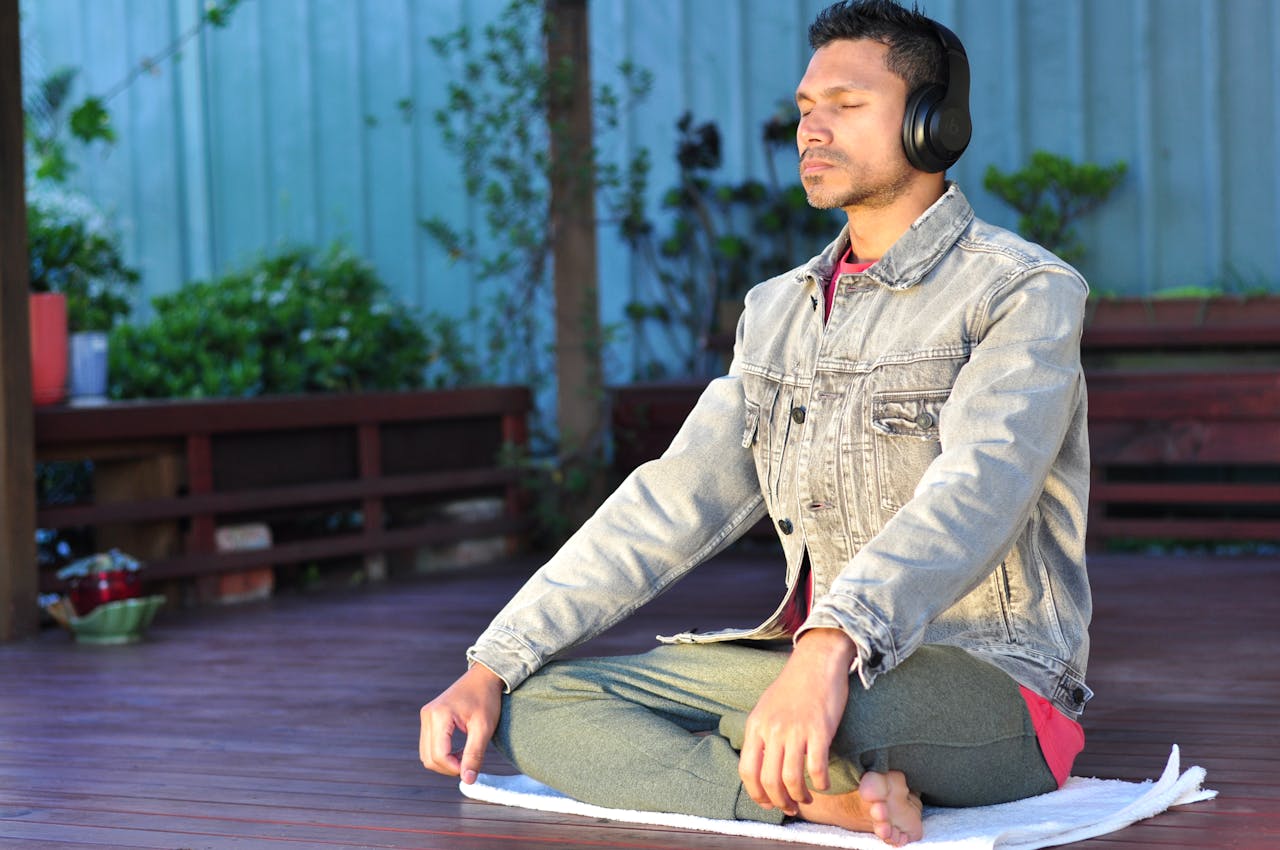
Practice Mindfulness and Meditation
Although only a few minutes of conscious breathing per day are sufficient to slow down the heartbeat and relax the muscle tension, and prevent the thoughts from racing.
The fundamental mindfulness meditation exercises include:
- Deep breathing exercises
- Guided meditations
- Body scan awareness
- Gratitude reflection
Most mental health professionals, such as Mindful Care, have adopted mindfulness into their health and wellness programs since they regulate emotions and lessen the stress levels per day.
Regular Physical Activity
Exercise is one of the best stress management tips. Exercises lead to the release of endorphins, which are the chemical in the brain that leave the individual feeling good and they relax.
Consider:
- Walking or jogging
- Yoga or stretching
- Cycling
- Dancing
- Swimming
Daily exercise helps to manage stress accumulated in the body and boost energy in general. It also gets the frustrations or the anxiety out.
Healthy Sleep Habits
The initial one is getting a sleep schedule and a wake-up period. Establish a night program which is unworried, i.e., writing or a warm bath.
Some of the helpful sleeping habits are:
- The construction of the bedroom is to be cool and dark.
- Caffeine should not be taken too late in the day.
- Leaving off the electronic devices one hour before bedtime.
- Performing before sleep relaxation processes.
A good rest allows you to be stronger to meet your daily duties and is a good boost to your mental and physical health.

Balanced Nutrition
High intake of sugar, processed food, and caffeine can cause energy crashes and storms of feelings that only encourage stress.
Try to include:
- Fruits and vegetables
- Whole grains
- Lean proteins
- Virgin oils such as nuts and seeds.
- Plenty of water
Symptoms of anxiety can also be reduced by limiting alcohol and overconsumption of caffeine. Minuscule shifts in the diet usually give visible mood and energy enhancements.
Time Management and Prioritisation
Big projects are supposed to be divided into smaller steps so that they become small. Never multitask, which is bound to cause mental exhaustion and lower the levels of productivity.
Useful strategies include:
- Creating daily to-do lists
- Establishing achievable deadlines.
- Outsourcing where possible.
- Scheduling regular breaks
By controlling your time, you will not be as fast, and you are not going to be overwhelmed either.
Social Support and Connection
Meeting with people regularly for laughter, chatting, and other activities can benefit your mental health.
Strategies to enhance social support are:
- Setting up regular meetings with friends.
- Becoming a member of the clubs or community groups.
- Volunteering
- Seeking support groups
The day may be made good with even personal messages that ensure that you feel that you are not suffering alone.
Relaxation Techniques and Hobbies
Mindfulness for stress relief can be used to relax the body and give the mind a break from daily stress. Hobbies are, on the contrary, enjoyable and bring about a sense of accomplishment.
Attempt to include the activities enabling you to relax, including:
- Listening to music
- Reading
- Gardening
- Drawing or crafting
The physical tension can also be reduced leads to relaxation activities which include progressive muscle relaxation or stretching exercises.
Cognitive Techniques
86% of employed people expressed feeling stressed in the past year. Thinking strategies assist in counteracting negative thinking habits and substitute them with more balanced thinking.
Helpful approaches include:
- Detecting the presence of negative self-talk.
- Re-thinking negative thinking.
- It concerns looking at the solutions instead of the problems.
Such methods, over the long run, result in resiliency and enhanced practice regulation.
Conclusion
Many individuals can manage stress with medication as a result of simple and consistent lifestyle changes. Mindfulness, body fitness, sleep, eating, scheduling time, and helpful relationships all contribute to enhancing your stress-resistance towards life stresses.
Natural techniques may also enable you to feel less stressed and more ready to handle daily stress, having confidence and calmness with time and practice.
Editor’s Note: The opinions expressed here by the authors are their own, not those of impakter.com — In the Cover Photo: A man sitting on his yoga mat, managing stress through meditation. — Cover Photo Credit: Shyamap Bhattacharyya