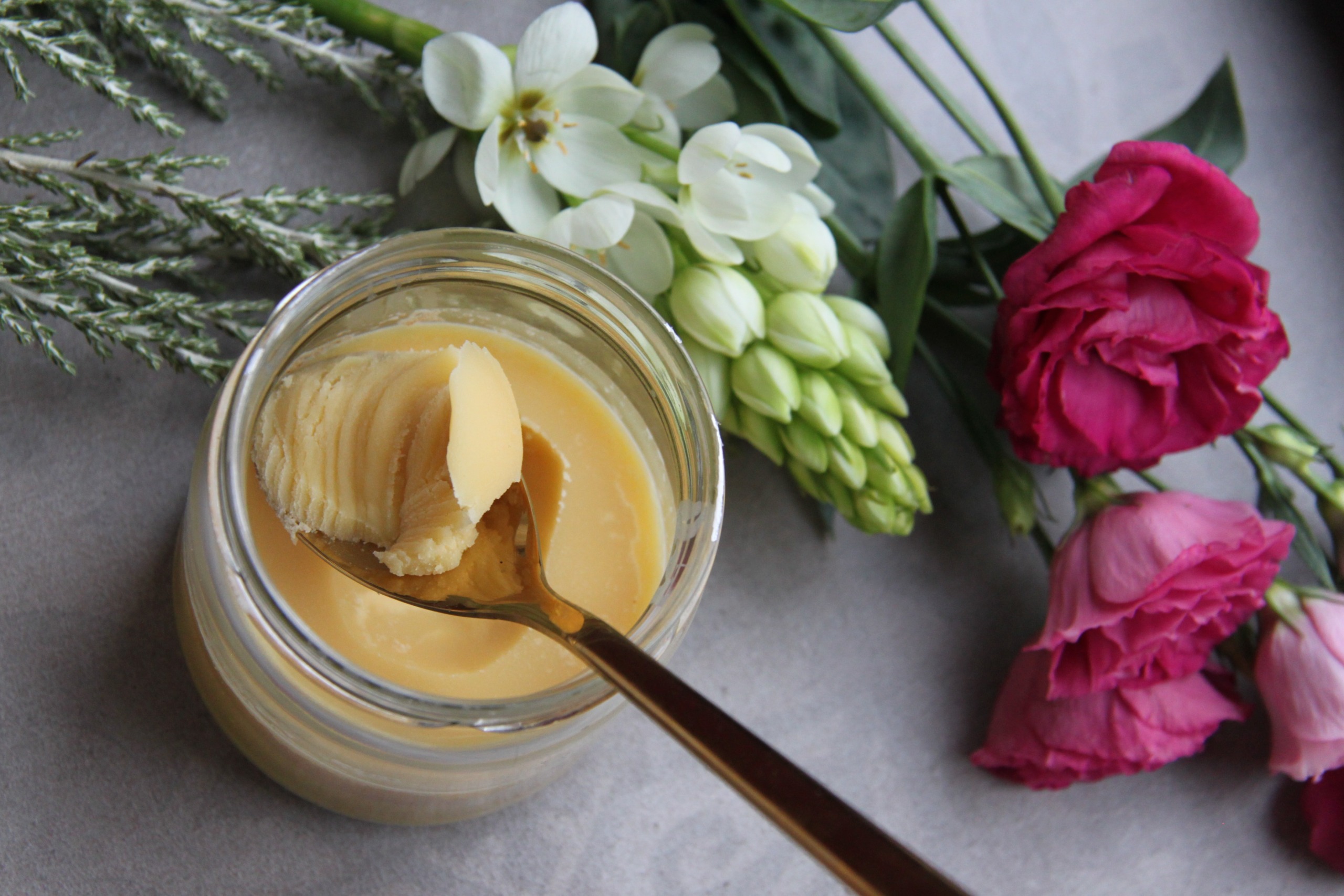
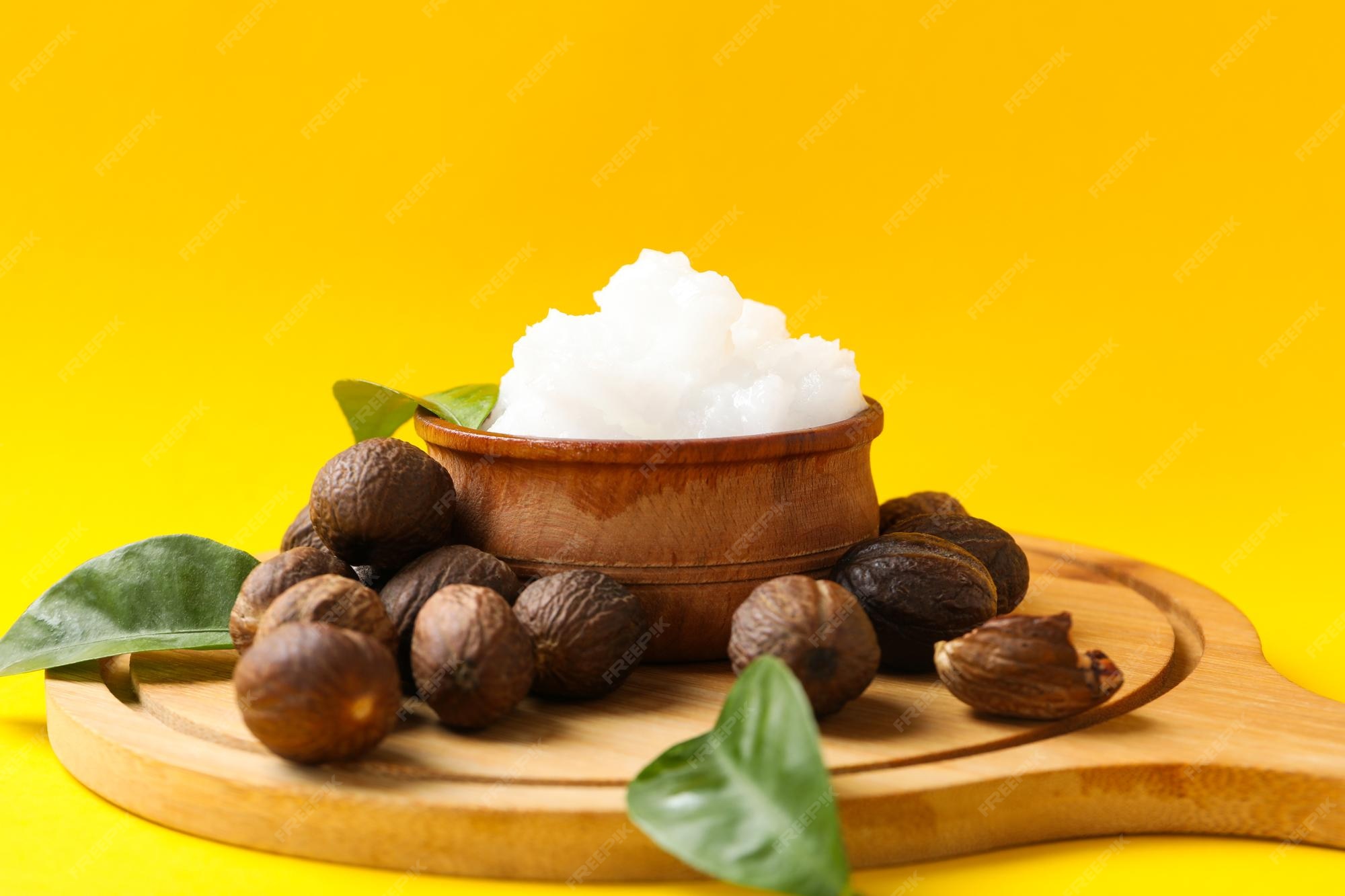
Shea butter is an ivory-colored fat derived from the nut of the shea tree, which originated in the Sahel region of western Africa.
It’s probably an ingredient in some of your favourite moisturisers, hair conditioners, masks, and other natural beauty treatments. Well, it’s not just beneficial for skin treatment, but also this shea butter has helped to fight poverty, gradually improving the life of local women in the Sahel region that source it and produce it.
Given all these benefits, is shea butter sustainable?
What are the beauty benefits of this natural extract?
The answer to that question is a definite yes.
To begin with, shea butter, perhaps most commonly used in skin care, offers a range of benefits when used topically in beauty routines due to its moisturising properties and high vitamin content.
- This oil is famous for its powerful anti-inflammatory properties, which can help soothe red or inflamed skin. Shea butter’s vitamins and nutrients also make it useful for reducing the appearance of scars and soothing burns, insect bites, and peeling skin, among many other skin ailments.
- Thanks to the antioxidants present in Shea butter, a known ingredient that helps keep skin looking young and fresh, it helps ward off wrinkles and old age.
- It is an excellent base for lotions and creams due to its moisturising properties. Shea butter’s rich tree nut oils are absorbed by the skin, forming a soft barrier that seals in moisture. This moisturising effect can last for hours, leaving your hands, feet, and entire body soft and silky all day.
Now, what’s the best part?
Shea butter can deeply moisturise without clogging your pores, which is an adverse effect of other natural oils like coconut oil. Moreover, it can also be found in hair care products, such as conditioning treatments for dry hair.
Since Shea is full of essential fatty acids and vitamins A and E, it is perfect for certain types of hair.
When used as part of your regular hair care routine, it can help seal in moisture, resulting in soft, shiny locks that are less likely to break. This nut butter also aids in the prevention of frizz and split ends, which makes them especially beneficial for curly hair.
However, Shea butter may be too heavy for those with thinner hair that is prone to grease and thus should be avoided.
What is the environmental and social impact of Shea butter ? Is it really sustainable?
According to the United Nations Food and Agriculture Organization (FAO), the shea value chain is a “key pro-poor carbon-fixing engine in West Africa.”
Based on the organisation’s research, non-wood forest products, including shea, “play a fundamental role in ensuring social equality and cultural stability,” .
Additionally, FAO research indicates that:
“From preliminary findings, shea has enormous potential to mitigate climate change in West Africa. Currently, the shea value chain captures 1.5 million tonnes of CO2 per year. Every tonne of shea kernels produced has a negative carbon footprint of 1.04 tonnes of CO2 when compared to production volumes.”
Shea trees thrive in agroforestry landscapes, coexisting amicably with crops on small farms and parklands in 21 African countries. Plus, traditional hand-harvesting techniques do not harm the tree or the surrounding ecosystem, and shea forests are effective carbon sinks with a lifespan of 200 to 300 years.
Shea butter use is thriving in the food industry, revenue helps local communities
Over the last 20 years, the shea market has grown by more than 600%. The food industry consumes approximately 90% of shea, while the cosmetics and beauty industry consumes 10%.
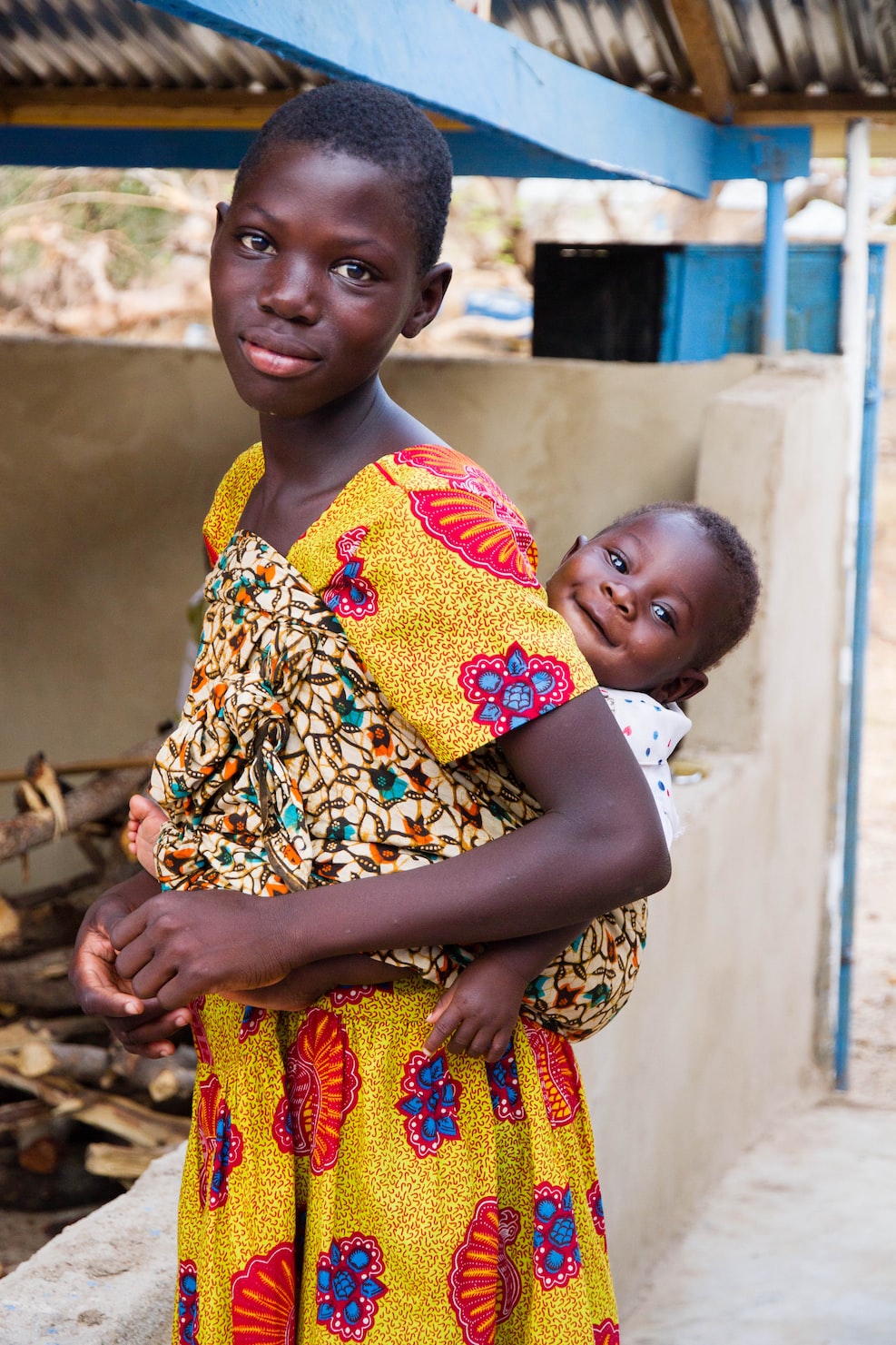
Local communities are also forming cooperatives in order to organise labour. Especially, women of Africa are the main beneficiaries. Notably, 800,000 tonnes of shea fruit and kernels are collected in rural communities by 16 million women.
Are the Shea butter beauty products you buy ethically sourced?
When shopping for Shea beauty products around the world, try to look for the following certified standards in beauty brands and goods to ensure that you are supporting positive employment and income distribution.
Where to buy ethically sourced shea butter
Such certified standards provide you with some assurance that the Shea butter in their beauty products has been sourced following fair trade standards.
Lastly, by supporting ethical production and fair payment cooperatives you could also help promote transparency and equity, while making sure that your beauty routines do not hinder the livelihoods of others.

Shop shea butter at IMPAKTER ECO
If you still have no idea where to find one, at Impakter Eco Market, we offer you a wide variety of eco-friendly products with a 10% discount from verified sustainable European brands, covering a wide range of needs such as ethical beauty products, skincare and more. Because we believe in the ideal combination of style and functionality without compromising our planet.
Editor’s Note: The opinions expressed here by Impakter.com columnists are their own, not those of Impakter.com — In the Featured Photo: A jar of butter. Featured Photo Credit: Megumi Nachev.