Today’s ESG Updates
- Iran Conflict Exposes Fossil Fuel Risks: The UN climate chief warns that the disruption to global energy markets highlights the security risks of relying heavily on imported fossil fuels as European gas prices surge.
- Vietnam Seeks Crude Oil Support: Hanoi has asked Japan and South Korea to help secure crude oil supplies as global energy markets face disruption following the Iran war.
- India Reviews Renewable Grid Penalties: The government may soften proposed penalties on wind and solar producers over stricter electricity grid-supply commitments after industry warnings about investment risks.
- Germany’s Emissions Cuts Stall: Greenhouse gas emissions fell by just 0.1% in 2025, missing national climate targets and highlighting the need for deeper reductions to meet the country’s 2030 goals.
Iran war highlights energy market vulnerabilities
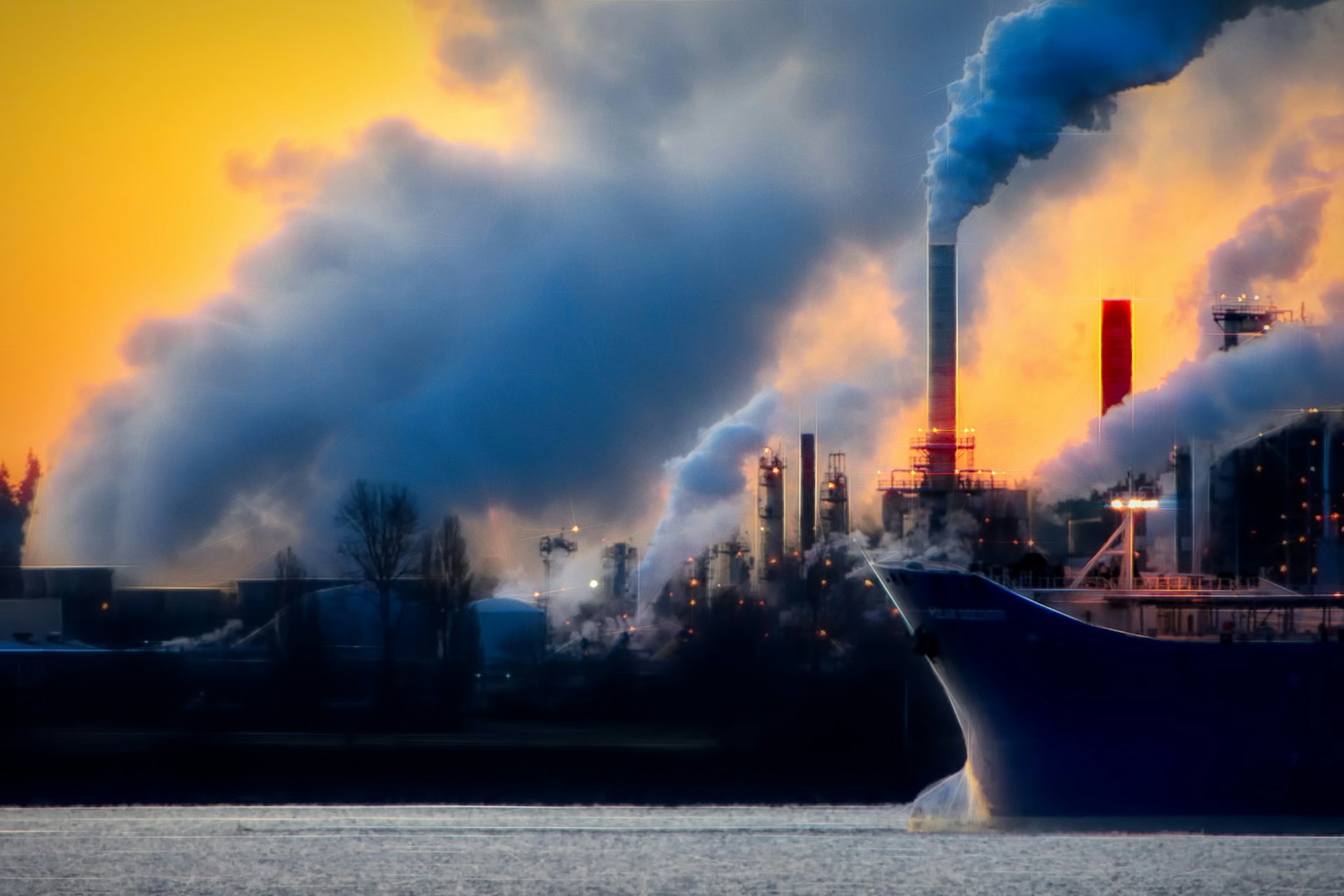
The disruption to global energy markets caused by the way in Iran has highlighted the risks of relying heavily on fossil fuels, according to UN climate chief Simon Stiell. Speaking to EU policymakers in Brussels, Stiell warns that dependence on imported oil and gas can compromise national security, leaving countries vulnerable to geopolitical shocks and volatile prices. European gas prices have risen by around 50% since the conflict began, emphasising the EU’s vulnerability as it imports more than 90% of its oil and 80% of its gas. The price spike has prompted EU leaders to consider emergency measures, while debates continue over whether to ease climate policies or accelerate investment in renewable nuclear energy.
***
Further reading: Iran war should trigger faster exit from fossil fuel dependence, UN climate chief says
Klimado – Navigating climate complexity just got easier. Klimado offers a user-friendly platform for tracking local and global environmental shifts, making it an essential tool for climate-aware individuals and organizations.
Vietnam seeks Japan and South Korea’s support to secure crude oil supplies
Vietnam has requested that Japan and South Korea assist in improving its access to crude oil, as global supply disruptions linked to the war in Iran are affecting energy markets. The request was made by Deputy Minister of Industry and Trade Nguyen Hoang Long during an energy security summit in Tokyo, according to Vietnam’s trade ministry. Vietnam operates two oil refineries that meet around 70% of its domestic fuel demand, with much of the crude oil they process sourced from the Middle East. During meetings with officials from Japan and South Korea, Long also discussed opportunities to expand investment in Vietnam’s energy sector, including liquefied natural gas and nuclear power, as the country looks to strengthen its long-term energy security.
***
Further reading: Vietnam asks Japan, South Korea for help in crude oil access
Related Articles
Here is a list of articles selected by our Editorial Board that have gained significant interest from the public:
India considers easing penalties on renewable power producers over grid supply rules
India may soften proposed penalties on wind and solar power producers who fail to meet stricter electricity grid-supply commitments, according to government meeting minutes seen by Reuters. The Central Electricity Regulatory Commission had proposed new rules aimed at narrowing the gap between the amount of electricity producers promise to supply and what they actually generate, with penalties set to take effect from April 2026. However, clean energy developers warned the changes could reduce revenues and discourage investment in renewable projects. During a January meeting with government ministers, officials agreed to review the penalties. India is aiming to nearly double its non-fossil power capacity to 500 gigawatts by 2030.
***
Further reading: India may soften new grid-supply rules for renewable power producers

Germany’s emissions stall in 2025, putting climate targets at risk
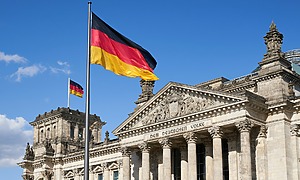
Germany has missed its emissions targets under its Climate Protection Act after greenhouse gas emissions fell by only 0.1% in 2025, according to the German Environment Agency. Total emissions reached around 649 million tonnes of CO₂ last year, representing a much smaller decline than in 2024 and falling below analysts’ expectations. Environment Minister Carsten Schneider said emissions reductions remain too slow, despite increased adoption of electric vehicles, heat pumps, and renewable energy sources. While Germany’s emissions are now 48% below 1990 levels, much larger annual cuts will be needed to reach the 2030 target of a 65% reduction. Emissions from the transport and building sectors rose last year, highlighting the need for stronger climate policies.
***
Further reading: Germany misses climate targets as emissions barely fall in 2025
Editor’s Note: The opinions expressed here by the authors are their own, not those of impakter.com — Cover Photo Credit: Chris LeBoutillier