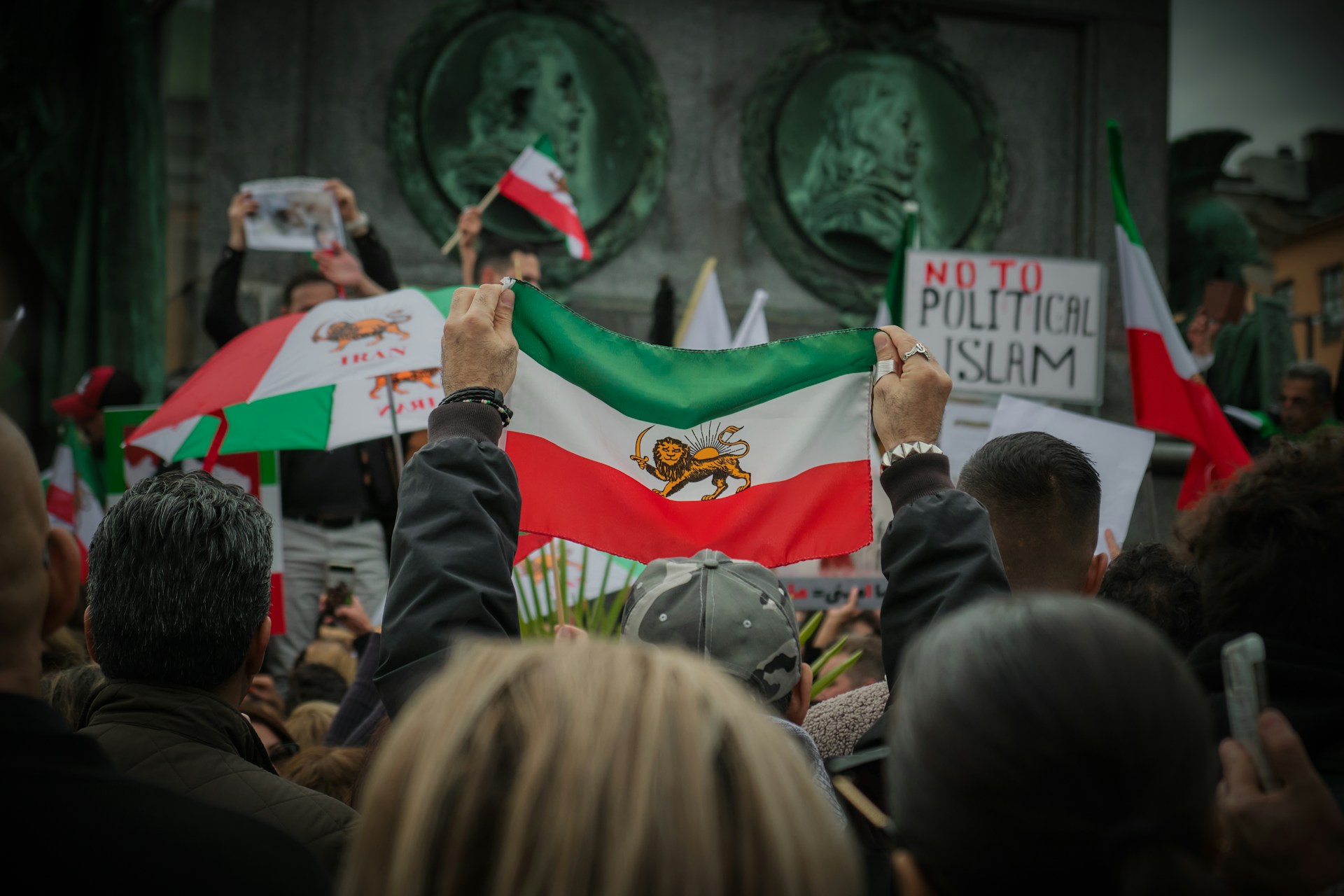
Today’s ESG Updates
- Europe Caught in US-Israel-Iran Crossfire: Escalating Middle East tensions sent oil prices soaring and left EU leaders struggling to form a unified response.
- Argentina to Weaken Glacier Protections: The Senate voted to reform the 2010 Glacier Protection Law, potentially opening glaciers to mining and hydrocarbon exploration.
- Spain’s Moeve Launches $1.2B Green Hydrogen Project: The Spanish energy company partnered with Abu Dhabi’s Masdar on southern Europe’s largest green hydrogen project.
- Italy Pushes to Suspend EU Carbon Market: Industry Minister Adolfo Urso called for suspension of the EU’s Emissions Trading System, citing competitiveness concerns.
Europe’s emerging role in the US-Israel-Iran conflict
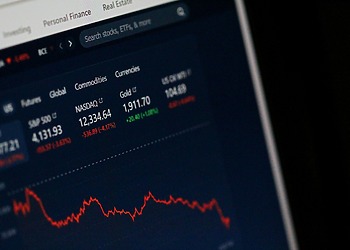
The escalating conflict between the U.S., Israel, and Iran is affecting global markets and the political position of the European Union simultaneously. The financial impact of the conflict has been immediate, with Brent crude oil surging to a 13-month high of almost $80 a barrel and natural gas futures rising by 25% on Monday. The euro and the British pound fell against the U.S. dollar, and European stocks fell sharply as well. Fear of energy security is high, as the potential shutdown of the Strait of Hormuz, a main trading route for around 20% of the world’s oil, looms.
EU leaders are struggling to respond cohesively, with Spain condemning the strikes and Germany urging restraint in criticising allies. In a statement Sunday night, Germany’s Friedrich Merz, France’s Emmanuel Macron, and the UK’s Keir Starmer said they would “take steps to defend our interests and those of our allies in the region, potentially through enabling necessary and proportionate defensive action to destroy Iran’s capability to fire missiles and drones at their source.” The Commission President, Ursula von der Leyen, has yet to release a statement from Monday’s emergency meeting.
***
Further reading: Oil jumps, euro slumps as Iran conflict erupts | Iran crisis poses fresh test for divided EU
Klimado – Navigating climate complexity just got easier. Klimado offers a user-friendly platform for tracking local and global environmental shifts, making it an essential tool for climate-aware individuals and organizations.
Argentina seeks to weaken glacier protection law
Argentina’s Senate, or upper house, voted 40 to 31 to reform the 2010 Glacier Protection Law. Reforms to this law could open up vulnerable glaciers to mining and exploration, as it redefines what qualifies as a protected ice field. This is a part of President Javier Milei’s push to reduce environmental protections around glaciers and increase foreign investment, with Milei stating that “the era of environmentalists flying the flag of a false noble cause is coming to an end.” Milei’s government expects that peeling back protections will encourage $40 billion in investment. If the bill passes, provincial authorities will have the power to decide which glaciers should remain protected and which could be opened to hydrocarbon and oil exploration, as well as other mining activities.
Protests have broken out outside of the country’s Congress building. Environmental activists are urging the government to stop this reform, claiming that it weakens national water security and protections for water reserves. The bill must now pass in the lower house.
***
Further reading: Senate approves Milei’s weakening of glacier protection law
Related Articles
Here is a list of articles selected by our Editorial Board that have gained significant interest from the public:
Spain’s Moeve invests $1.2 billion in green hydrogen project
Moeve, an energy company from Spain, announced a new green hydrogen project in a press release on Monday. Claiming to be the largest green hydrogen project in southern Europe, Moeve has secured €1 billion ($1.2 billion) in investment and partnered with Masdar, a renewable energy company based in Abu Dhabi. The project is expected to have a capacity of 300 megawatts (MW) as part of the first phase of the Andalusian Green Hydrogen Valley in Spain. In preparation for the project, Moeve established a secure connection with the Spanish grid. In addition to private investments, the project has received over €300 million in European Union subsidies.
Mohamed Jameel Al Ramahi, CEO of Masdar, said, “As an early mover in this sector, we have long recognized green hydrogen’s role in decarbonizing hard-to-abate sectors. This partnership, under the leadership of Moeve, reflects our strategy of advancing commercially viable green hydrogen projects in markets where demand is clear.”
***
Further reading: Spain’s Moeve teams up with Masdar on $1.2 billion green hydrogen project

Italian Minister pushes back on Europe’s Emissions Trading System
Adolfo Urso, Italy’s Industry Minister, is urging the EU to suspend its Emissions Trading System (ETS), claiming that it is a harmful tax that hinders competitiveness. The ETS forces companies to pay for their carbon emissions and is crucial for the bloc’s carbon market reform. Urso has claimed that the system has a “perverse effect,” prohibiting the EU from remaining competitive with the U.S. and China. German Chancellor Friedrich Merz floated a similar suspension idea recently but quickly reversed course.
Urso’s proposal faces pushback of its own. Experts warn that suspension would increase market uncertainty and delay the bloc’s energy transition. Chiara di Mambro, Director of Strategy Italy and Europe for the environmental think tank ECCO, said, “Suspending the ETS as proposed today or subsidising gas, as envisaged in the Government’s recent decree, would move Italy in the opposite direction (higher energy prices): weakening the price signal, increasing market uncertainty, and ultimately delaying the transition away from expensive fossil fuels.”
***
Further reading: Italy calls for suspension of EU carbon market
Editor’s Note: The opinions expressed here by the authors are their own, not those of impakter.com — In the Cover Photo: Protests for Iran in Stockholm, Sweden. Cover Photo Credit: Artin Bakhan