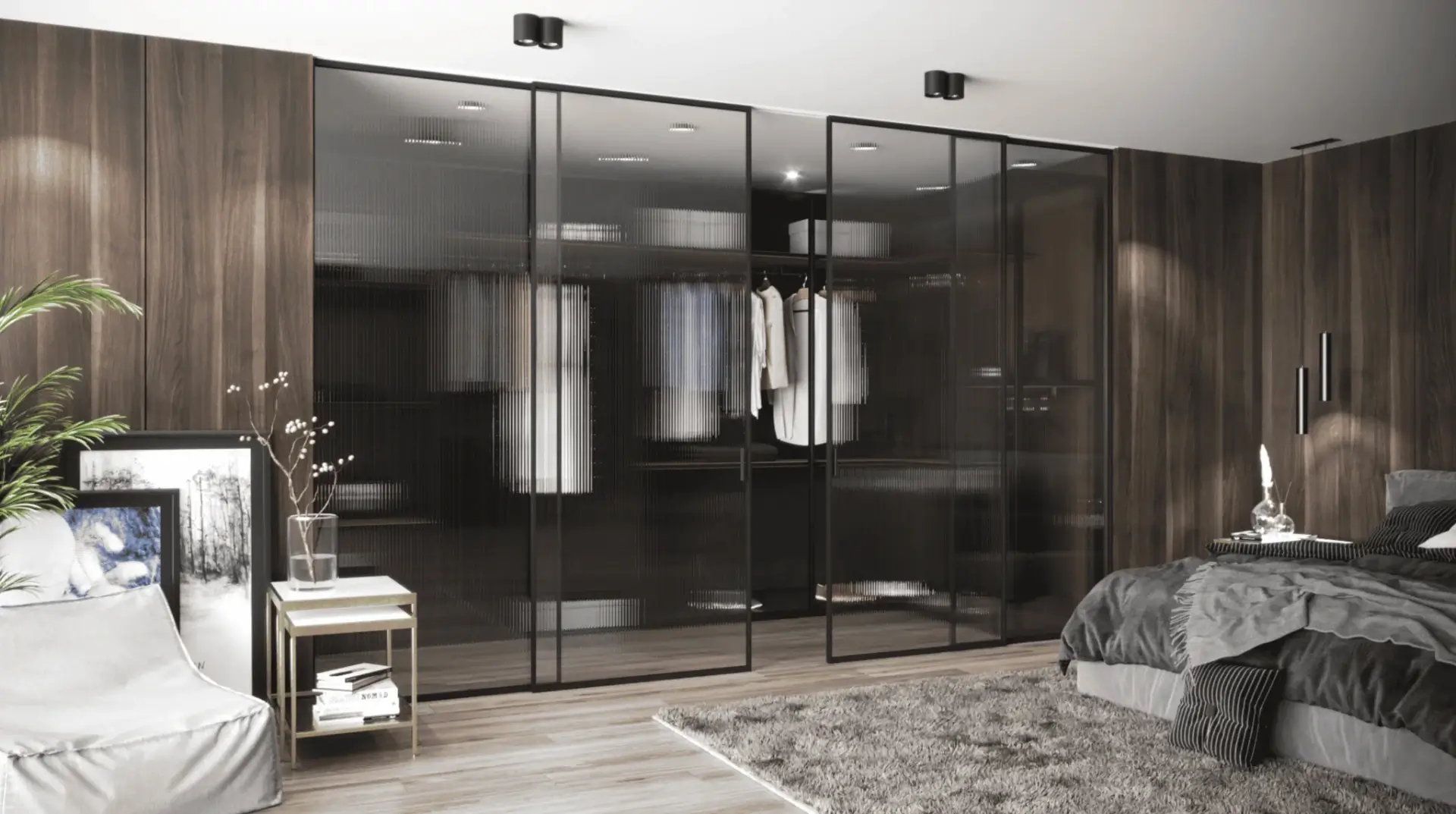
Sliding doors have become one of the most practical and stylish solutions for modern interiors. Whether you’re renovating a compact apartment or designing a spacious house, interior sliding doors offer a unique combination of functionality, aesthetics, and space optimization. Unlike traditional hinged systems, they glide smoothly along a track, saving valuable floor area and creating a clean, contemporary look.
Today, more homeowners and designers choose indoor sliding doors not just for their practicality but also for their ability to transform a space visually. From minimalist glass panels to solid wood designs, the variety of options makes it easy to match any interior style.
Why Interior Sliding Doors Are Gaining Popularity
One of the main reasons people switch to inside doors sliding systems is space efficiency. Traditional doors require clearance to open, which can limit furniture placement. Sliding solutions eliminate that issue entirely.
Another key advantage is versatility. A well-chosen sliding door for room can serve multiple purposes — dividing spaces, enhancing privacy, or even acting as a decorative focal point.
Here’s what makes them stand out:
- Space-saving design, ideal for small rooms and apartments
- Smooth and quiet operation with modern hardware systems
- Wide range of materials including wood, glass, and aluminum
- Ability to visually expand a room, especially with glass panels
In addition, interior sliding doors are often easier to integrate into open-plan layouts, allowing flexible zoning without permanent walls.
Types of Indoor Sliding Doors and Their Features
When choosing sliding doors, it’s important to understand the different types available on the market. Each option serves a specific purpose and suits different interior needs.
Pocket doors are a popular choice for minimalistic interiors. They slide into the wall, becoming completely hidden when open. This is perfect for maximizing usable space.
Barn-style doors, on the other hand, add a rustic or industrial touch. Mounted on visible tracks, they become a design element rather than just a functional feature.
Glass indoor sliding doors are ideal for creating a sense of openness. Frosted or tinted glass can maintain privacy while still allowing light to flow through the space.
There are also multi-panel systems designed for larger openings. These are often used to separate living areas, offices, or dining spaces without sacrificing flexibility.
How to Choose the Right Sliding Door for Your Room
Selecting the right sliding door for room depends on several factors. It’s not just about appearance — functionality plays an equally important role.
First, consider the size of the opening. Larger spaces may require multi-panel systems, while smaller rooms benefit from single-track solutions.
Material choice is another critical factor. Wood provides warmth and durability, while glass creates a lighter and more modern feel. Aluminum frames offer a sleek and contemporary look.
It’s also important to evaluate the sliding mechanism. High-quality hardware ensures smooth operation and long-term reliability. This is where trusted suppliers like door shop Triodoors make a difference, offering well-engineered systems designed for everyday use.
Finally, think about the overall interior style. The door should complement your design, whether it’s modern, classic, or industrial.
Installation and Practical Considerations
Installing inside doors sliding systems requires proper planning. Unlike standard doors, they depend on track systems that must be aligned perfectly for smooth operation.
Wall-mounted systems are easier to install and more common in renovations. Built-in (pocket) systems require construction work but provide a cleaner, hidden look.
Sound insulation is another factor to consider. While interior sliding doors are excellent for space division, they may not provide the same level of soundproofing as traditional doors unless specifically designed for it.
Maintenance is relatively simple. Regular cleaning of the track and occasional hardware checks will keep the system working flawlessly for years.
Interior Sliding Doors as a Design Element
Beyond functionality, sliding doors have become an essential part of interior design. They can completely change how a space feels and functions. Glass systems can make small apartments appear larger and brighter. Wooden panels can add warmth and character. Bold designs can even become the centerpiece of a room.
Designers often use indoor sliding doors to create flexible living spaces — for example, separating a home office during work hours and opening it up afterward. With the growing demand for adaptable interiors, interior sliding doors are no longer just a trend but a long-term solution that combines practicality with modern aesthetics.
Editor’s Note: The opinions expressed here by the authors are their own, not those of impakter.com — In the Cover Photo: indoor sliding doors. Cover Photo Credit: Triodoors