Ever curious about the role of a Unicef worker? Impakter recently interviewed Katherine Crisp, Head of Strategy and Innovation at Unicef UK to gain insights into the world of social impact innovations and the future of charitable giving.
Tell me a bit about yourself – your current role at Unicef UK and what led you here?
I’ve been working in Strategy and Innovation at Unicef UK for 3 years now. The role is an interesting mix of “where are we going, what do we want the future to look like, and how are we going to get to there?”
To get where I am today I explored many paths. I studied engineering and worked in the private sector as a strategy consultant for a few years. Then I spent a year working in India, in Bhopal, with women’s groups and this prompted a complete change in my life. When I came back I started working in the 3rd sector. I also worked for Scope, a disability charity, where I helped to design new services for disabled children, while training to be a social worker. In the end, I ended up working for Unicef UK instead.
What prompted this change from working for a private company to going into charitable work?
While in India I realized that I was putting in a lot of time and effort by giving a lot of “me” and working for very long hours. I just wondered why I was giving so much of myself – working for a venture capital firm at the time – to ultimately make rich people richer.
I felt I needed to give something back and work in an industry that I’d find more fulfilling. Since we spend a lot of time working, I find that having that sense of purpose is really important.
How is Unicef structured?
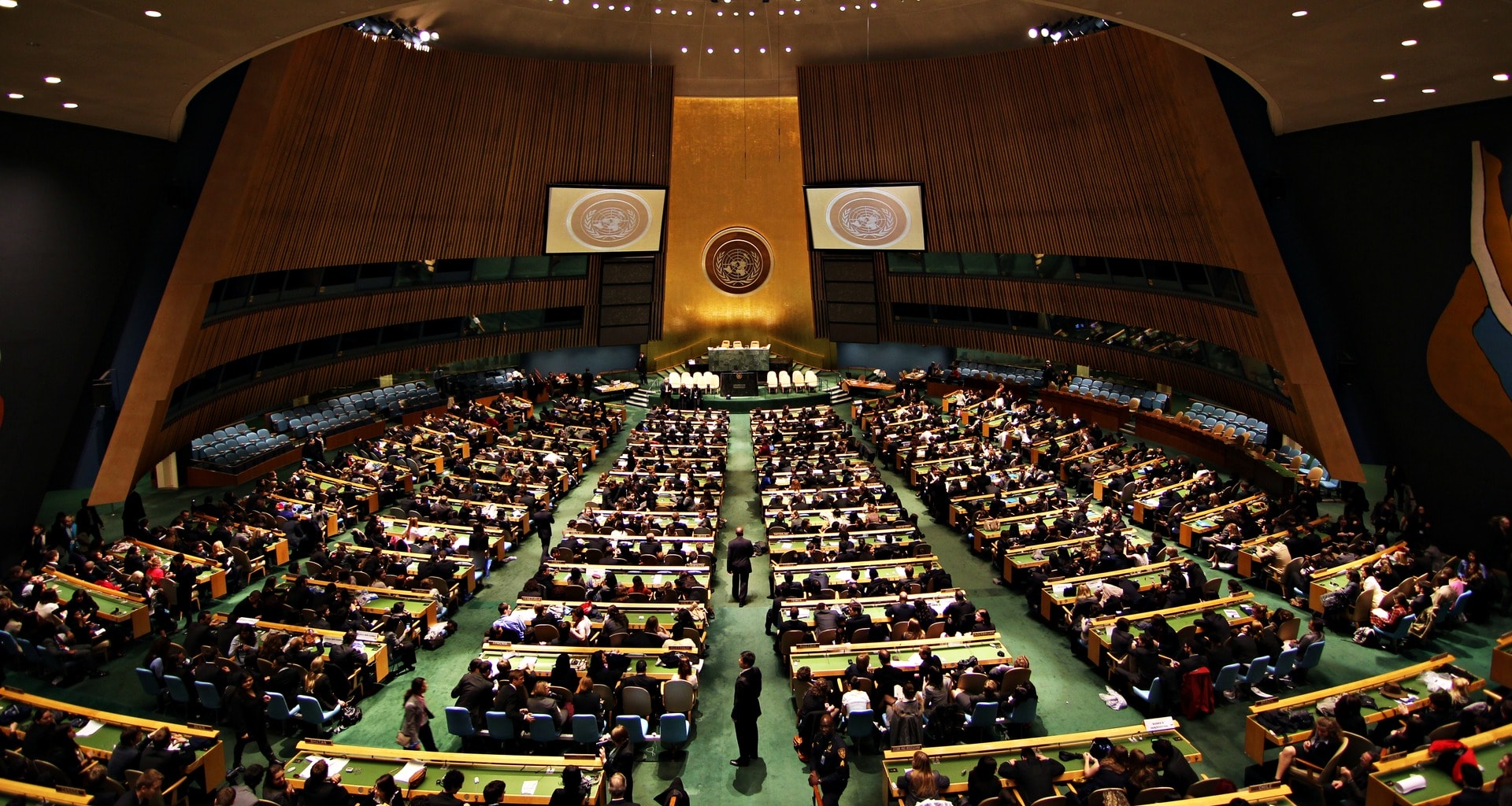
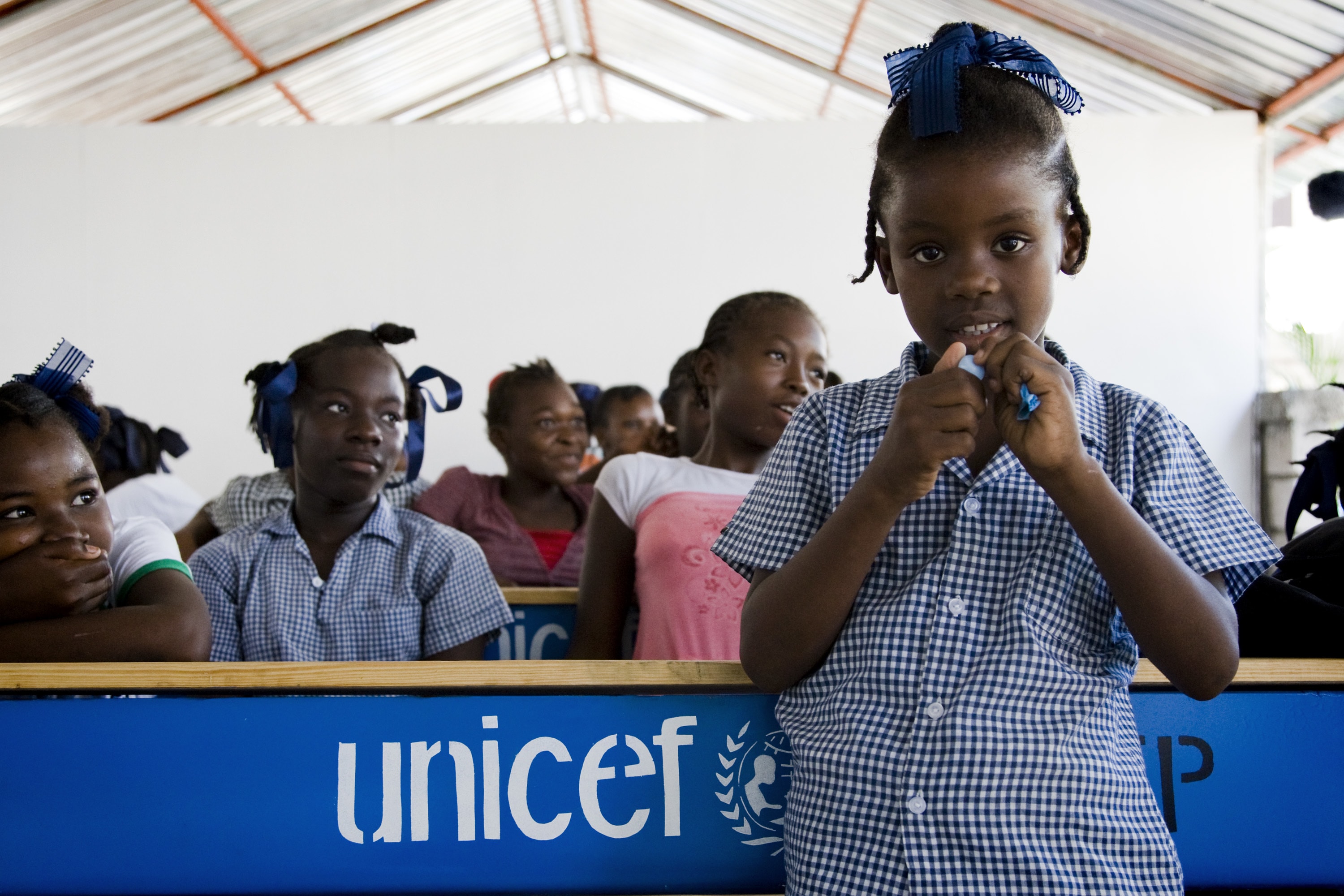
Unicef is the United Nations (UN) Children’s agency. On one hand, at a global level, we’re part of the UN. However, we don’t receive any funding from the UN and thus we rely entirely on voluntary donations. Unicef globally is headquartered in New York and is present in over 190 countries. The majority of those are in-country offices where we have a direct presence as Unicef, the UN body, usually in lower and middle-income countries. Activities in those places range across health, HIV, social inclusion, education, and nutrition. Together with governments we agree on global programmes that respond to needs of those individual countries.
On the other hand, 34 higher-income countries have national committees, which are not directly part of the UN. Unicef UK is part of those 34 and is a locally registred charity in the UK, with its own board of trustees and we must agree with Unicef globally on what we can do. In the UK, our role is to advocate for the UN convention the Rights of the Child, to raise money and to influence government towards national and international aid policies while acting on behalf of Unicef. The majority of our activity is fundraising through individuals, companies, wealthy philanthropists, schools, … Parallel to that we have a lot of influencing activities such as advocacy with governments where we look for specific areas of policy change. We also work with businesses to help them understand their impact on children through their supply chain by rolling out deep impact assessments. We also have an accreditation scheme, the Baby Friendly Initiatives, to strengthen the mother-child bond in the UK, which has been going on for the past 15 years and many other activities at different levels.
Unicef really strives to design solutions with users to come up with really impactful solutions.

In the Photo: Scenes from Zaatari Refugee Camp, Jordan. Photo Credit: UN Photo/Mark Garten
What is the difference between activism and raising awareness and where does Unicef position itself?
It depends on what your end goal is. You must understand what you want to achieve and what the routes are to achieving that. It’s really about understanding what change is needed and focusing resources efficiently towards achieving that goal. Different courses of action lead more or less efficiently to a specific outcome and we must assess this carefully.
Related articles: “SDG 5: ACHIEVING GENDER EQUALITY”
“REFUGEES IN EUROPE: THE ANATOMY OF A GLOBAL CRISIS“
How does innovation fit into the context of Unicef?
At a global level, it’s about new ideas that will decrease inequities for children. These ideas are mainly technology focused and found their roots in Uganda about 8 years ago at a time when mobile phone penetration was going through the roof and when Unicef was in real need of finding out which action they were taking were effective and which weren’t through effective data collection. In this context, Unicef came up with a simple system that now enables us to collect youth, health, education, rights and much more data quickly and as accurately as possible. This has scaled into a platform – called Rapid Pro – where you can access various tracking tools. In Uganda, they have been using a mobile tracking system within the health sector for example. In Zambia, they looked at HIV test results and realized that newborn test results in rural areas were taking a really long time – about 60 days – to come back from the laboratories – if they came back at all. We know that if we get a baby on HIV drugs before 12 weeks they’ve got a much better chance of survival if they’re HIV positive. By doing something as simple as sending the test results by text message, they’ve had a massive impact in saving children’s lives. In Nigeria, they’ve been supporting birth registrations through SMS use. Having a birth certificate is the most fundamental right of a child, you don’t exist if your country hasn’t registered your birth; you can’t get access to education, health and ultimately it makes you very vulnerable to trafficking. Through our global innovation center we’re now looking at how to package this platform and make it scalable within different programmes. In 2014 it became one of our global enabling strategies. Unicef really strives to design solutions with users to come up with really impactful solutions.
In the UK, innovation is about developing and implementing new ideas that can positively affect children’s lives. Whether it’s about raising more money, implementing a programme differently and so forth. Each national committee is structured differently; some are very little and some are larger. Depending on a number of factors such as their size, their focus and their board of trustees you might find a similar innovation role or not at all. At a country level we have innovation labs that choose their focus: sustainable energy, youth, entrepreneurship… What they learn can then be shared with the wider organization. In the UK, we partner with other entities to find solutions for children and influence the wider market to design for social good.
We also have a supply division in Copenhagen in which we have an internal innovation unit that works with suppliers to look at how they can innovate products in response to needs.
What is the approval process for new ideas?
The blue skies projects, wearable technologies, finance… are mainly addressed by our Innovation Unit in San Francisco. In the UK, we have limited resources so we really have to discuss which ideas will have the greatest impact for children. We do have a small innovation fund where we can test pilot ideas to establish whether there is potential for scale and hope that the ideas that work subsequently have a really big impact. Depending on the nature of the projects we can take decisions quite quickly in the UK. Unicef is unique because it can bring many people around the table and figure out ways to get everyone looking in the same direction.
Has your background in engineering proven useful then?
It has definitely been useful, having an understanding of the language and the way of working has been quite helpful to bring different perspectives together.
Video Credit: Unicef
So when does an idea get old?
In reality I’m not sure any idea is new; I think you tend to always build on something else from a different area in a different place. The question is how quickly can you make it into something that’s truly useful. In the digital space an idea gets old very quickly but with a longer term programme you have a longer time frame.
What would you say your biggest success has been?
Innovation is very much about teams of people working together where everyone brings ideas up. I truthfully think that innovation happens when good people come together, I’d never take credit for a particular idea. There’s some great stuff that happened within Unicef UK; some that I have been involved with, some that I haven’t. In my perspective, Unicef UK’s biggest achievement was last year’s partnership with the Commonwealth Games 2015 during which we were completely imbedded in the opening event to raise funds. We raised 3.7 million pounds within an hour! It was a huge success for a one-off piece that was the result of a lot of preparation and hard work.
How is the refugee crisis being dealt with in the context of your work?
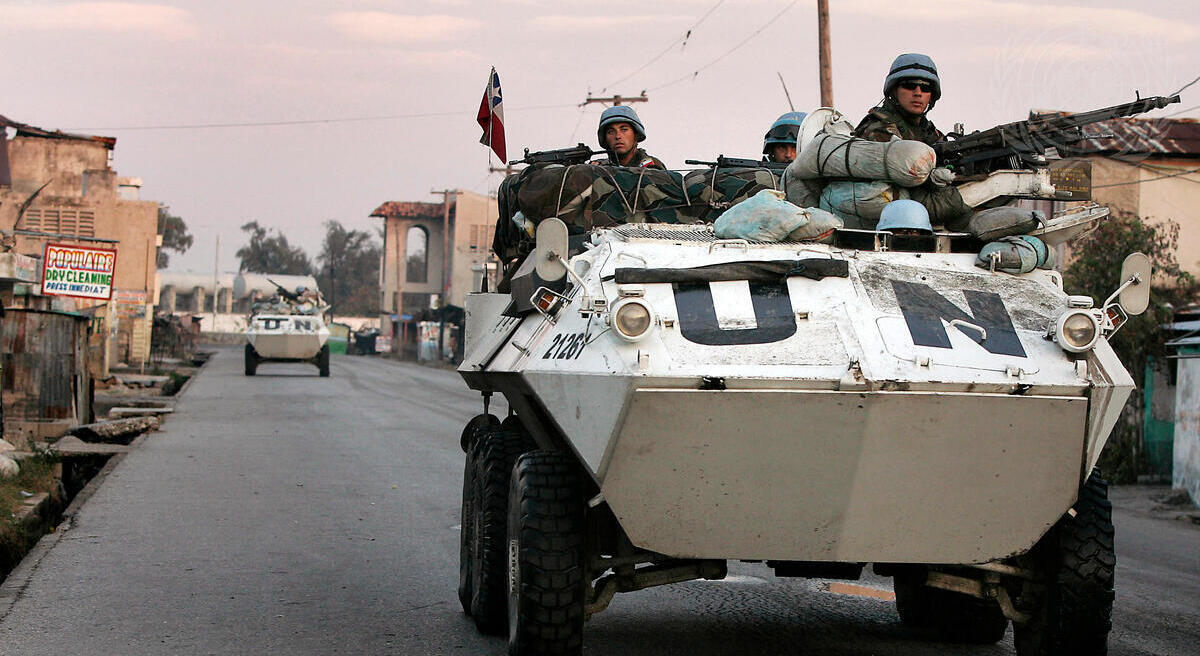
We’ve been working in Syria and all of the surrounding regions since the crisis has started. We have an innovation lab in Lebanon that has been working to respond to the refugee crisis where the scale of the crisis is utterly unimaginable. Children have been out of school now for many years and the lab is thus looking at youth engagement and entrepreneurship solutions, as well as ways to quickly access children living in very remote areas.
Which are the areas that people tend to overlook but are still very important?
Things that are high on the news agenda tend to get a lot of funding but topics like South Sudan and Yemen tend to be overlooked though horrendous things are currently happening. Places that don’t have many ties to the UK tend to be disregarded. However we particularly valuer resources that people donate to Unicef that are not restricted to an area in particular so we can fund areas that lack funding.
Is innovation going to play an increasingly important role within Unicef in the years to come?
Essentially innovation – that a lot of people use as a buzzword – is about looking at different ways of doing things. It’s inevitable that Unicef will continuously focus on harnessing technological change and stubbornly try to do things differently, more effectively in order to keep children safe.
_ _
Featured Image: UN Photo/UNICEF/Marco Dormino