Impakter
  • Environment
    • Biodiversity
    • Climate Change
    • Circular Economy
    • Energy
  • FINANCE
    • ESG News
    • Sustainable Finance
    • Business
  • TECH
    • Start-up
    • AI & Machine Learning
    • Green Tech
  • Industry News
    • Entertainment
    • Food and Agriculture
    • Health
    • Politics & Foreign Affairs
    • Philanthropy
    • Science
    • Sport
  • Editorial Series
    • SDGs Series
    • Shape Your Future
    • Sustainable Cities
      • Copenhagen
      • San Francisco
      • Seattle
      • Sydney
  • About us
    • Company
    • Team
    • Partners
    • Write for Impakter
    • Contact Us
    • Privacy Policy
No Result
View All Result
  • Environment
    • Biodiversity
    • Climate Change
    • Circular Economy
    • Energy
  • FINANCE
    • ESG News
    • Sustainable Finance
    • Business
  • TECH
    • Start-up
    • AI & Machine Learning
    • Green Tech
  • Industry News
    • Entertainment
    • Food and Agriculture
    • Health
    • Politics & Foreign Affairs
    • Philanthropy
    • Science
    • Sport
  • Editorial Series
    • SDGs Series
    • Shape Your Future
    • Sustainable Cities
      • Copenhagen
      • San Francisco
      • Seattle
      • Sydney
  • About us
    • Company
    • Team
    • Partners
    • Write for Impakter
    • Contact Us
    • Privacy Policy
No Result
View All Result
Impakter
No Result
View All Result

Iceland Introduces World’s Largest Carbon Capture Machine

The technology “sucks” in carbon dioxide and stores it in the ground

byAriana Hashtrudi
September 10, 2021
in Environment, Tech

The plant, which is now in service, is called “Orka,” which means energy and is made up of four units, each consisting of two metal boxes that look similar to shipping containers.

Reuters reports that Climeworks AG, a Swiss start-up reportedly specializing in capturing carbon dioxide “directly from the air,” has paired up with Iceland’s carbon storage firm Carbfix, in order to produce a machine that is able to capture a maximum of 4,000 tons of CO2, per annum.

This is roughly the equivalent of 870 car emissions, says the US Environmental Protection Agency. And according to Bloomberg, the price ranges from US$10 and 15 million to build the plant.

The Guardian states that in order to attain the carbon dioxide, the plant utilizes fans to bring air into a collector, which contains filter material.

This collector is shut when the filter material is full of CO2 and the temperature is increased to let out the CO2 from the material, so that it can be captured.   

Afterwards, water is combined with the CO2 and then placed 1,000 metres down into the nearby basalt [volcanic] rock in order for it to become mineralised.


Related articles: Large-Scale Carbon Capture is Finally Underway | The Profitable Equation of Carbon Removal

The direct air capture industry: development, strength and weakness

According to Reuters, direct air capture is among the few forms of technology drawing out carbon dioxide from the atmosphere. Scientists also reportedly regard it as crucial in reducing global warming, which would ultimately lead to less wildfires, heatwaves and floods, whilst lowering sea level rise.

According to the International Energy Agency, there are 15 existing direct air capture plants across the world, annually attaining over 9,000 tonnes of CO2.

At present, the U.S. oil and gas company, Occidental, is establishing the biggest direct-air-capture facility, which will take 1 million tonnes of carbon dioxide from air, not far from its oilfields in Texas.

However, the cost of this technology might be an issue. Senior research engineer at the MIT Energy Initiative, Howard Herzog, believes that direct air capture is “very expensive” because, as he points out, the CO2 in the atmosphere is only .04%, and the price of taking carbon dioxide out of gas increases as the concentration of the carbon dioxide is reduced. 

However, Reuters reports that although direct air capture is expensive, developers are aiming to decrease the cost through scaling up, as there is plenty of demand, with clients and companies interested in lowering their carbon footprint.

But according to the environmental science website, The Climate Connection, carbon capture and storage (CCS) is harmful to the climate. This is because the website states that “CCS facilities” acquire roughly 40 million tonnes of CO2 on an annual basis. But enhanced oil recovery, whereby distant oil from “deep reservoirs” is attained, uses 80% of this captured carbon. When the oil is combusted, it leads to a higher amount of CO2 emissions which ultimately strengthens global warming.

It is true that the cost of undertaking direct air capture is a clear obstacle, not to mention the fact that it could lead to higher emissions rates, which may serve as a threat to our fragile planet. But one must not rule out its potential. It is a major pioneer in the extraction of carbon dioxide and is also believed to decrease the extent of global warming — thus, it is more likely than not to become a successful tool to help combat global warming.


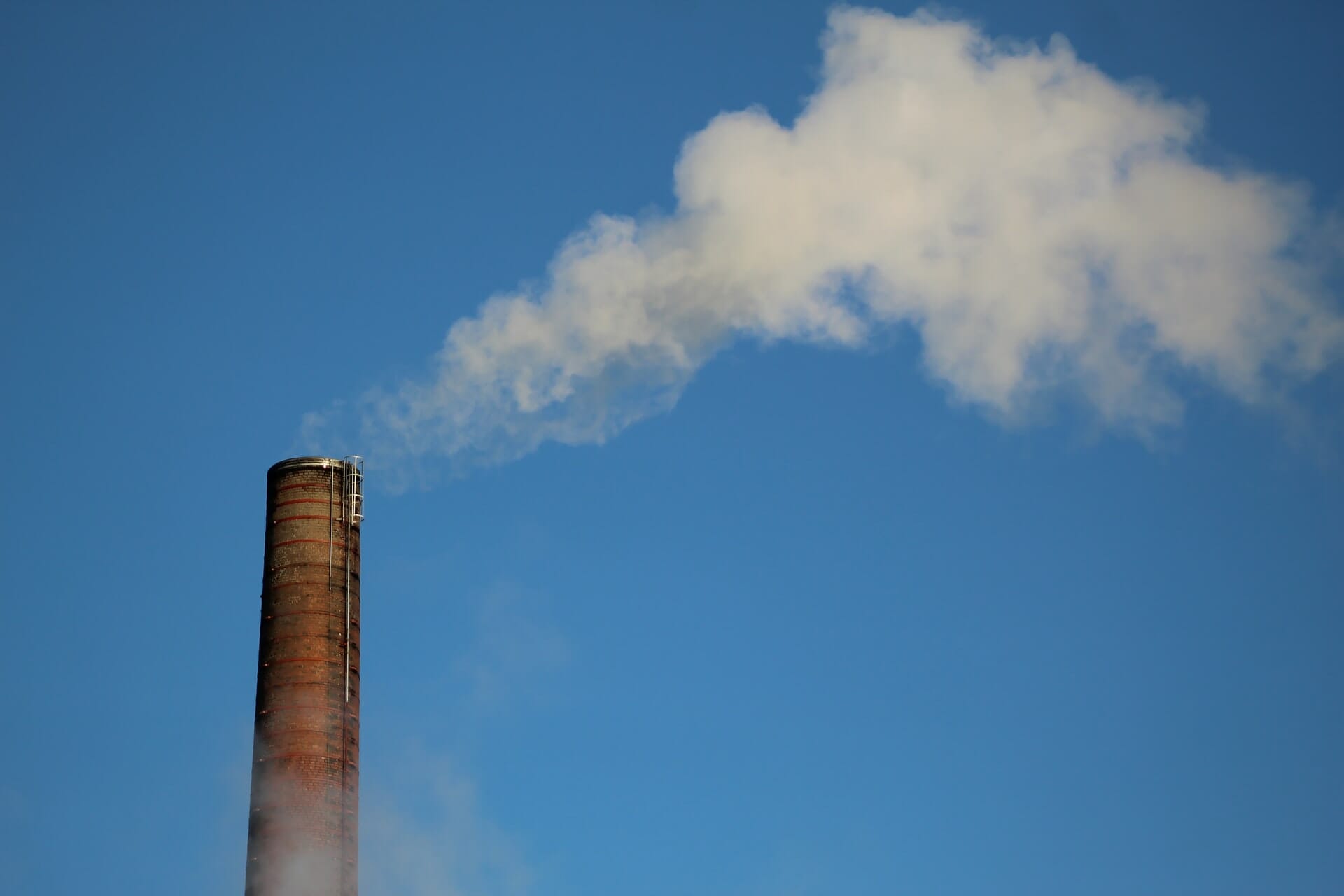
Editor’s Note: The opinions expressed here by Impakter.com columnists are their own, not those of Impakter.com.— In the Featured Photo: Release of carbon dioxide. Featured Photo Credit: Anne Nygård
Tags: Carbon CaptureDirect Air CaptureIceland
Previous Post

From Wildlife Trafficking Rehab to Bushfires – an Australian Vet Nurse’s Story

Next Post

European Law Under Attack from Hungary and Poland

Related Posts

Corporate Liability and renewable energy challenge.
Business

From Pollution to Precedent: Corporate Liability in Environmental Wrongful Death

March 16, 2026
Nearshore hubs for tech development
Business

Solving the Talent Shortage: How Nearshore Hubs are Bridging the Seniority Gap in 2026

March 16, 2026
India’s Contradictions in a Fractured World: Democracy, Identity, Power, and Silence
Climate Change

India’s Contradictions in a Fractured World: Democracy, Identity, Power, and Silence

March 16, 2026
Next Post
European Law Under Attack from Hungary and Poland

European Law Under Attack from Hungary and Poland

Related News

Corporate Liability and renewable energy challenge.

From Pollution to Precedent: Corporate Liability in Environmental Wrongful Death

March 16, 2026
Nearshore hubs for tech development

Solving the Talent Shortage: How Nearshore Hubs are Bridging the Seniority Gap in 2026

March 16, 2026

Impakter informs you through the ESG news site and empowers your business CSRD compliance and ESG compliance with its Klimado SaaS ESG assessment tool marketplace that can be found on: www.klimado.com

Registered Office Address

Klimado GmbH
Niddastrasse 63,

60329, Frankfurt am Main, Germany


IMPAKTER is a Klimado GmbH website

Impakter is a publication that is identified by the following International Standard Serial Number (ISSN) is the following 2515-9569 (Printed) and 2515-9577 (online – Website).


Office Hours - Monday to Friday

9.30am - 5.00pm CEST


Email

stories [at] impakter.com

By Audience

  • TECH
    • Start-up
    • AI & MACHINE LEARNING
    • Green Tech
  • ENVIRONMENT
    • Biodiversity
    • Energy
    • Circular Economy
    • Climate Change
  • INDUSTRY NEWS
    • Entertainment
    • Food and Agriculture
    • Health
    • Politics & Foreign Affairs
    • Philanthropy
    • Science
    • Sport
    • Editorial Series

ESG/Finance Daily

  • ESG News
  • Sustainable Finance
  • Business

About Us

  • Team
  • Partners
  • Write for Impakter
  • Contact Us
  • Privacy Policy

© 2026 IMPAKTER. All rights reserved.

No Result
View All Result
  • Environment
    • Biodiversity
    • Climate Change
    • Circular Economy
    • Energy
  • FINANCE
    • ESG News
    • Sustainable Finance
    • Business
  • TECH
    • Start-up
    • AI & Machine Learning
    • Green Tech
  • Industry News
    • Entertainment
    • Food and Agriculture
    • Health
    • Politics & Foreign Affairs
    • Philanthropy
    • Science
    • Sport
  • Editorial Series
    • SDGs Series
    • Shape Your Future
    • Sustainable Cities
      • Copenhagen
      • San Francisco
      • Seattle
      • Sydney
  • About us
    • Company
    • Team
    • Partners
    • Write for Impakter
    • Contact Us
    • Privacy Policy

© 2026 IMPAKTER. All rights reserved.