Impakter
  • Environment
    • Biodiversity
    • Climate Change
    • Circular Economy
    • Energy
  • FINANCE
    • ESG News
    • Sustainable Finance
    • Business
  • TECH
    • Start-up
    • AI & Machine Learning
    • Green Tech
  • Industry News
    • Entertainment
    • Food and Agriculture
    • Health
    • Politics & Foreign Affairs
    • Philanthropy
    • Science
    • Sport
  • Editorial Series
    • SDGs Series
    • Shape Your Future
    • Sustainable Cities
      • Copenhagen
      • San Francisco
      • Seattle
      • Sydney
  • About us
    • Our Story
    • Team
    • Partners
    • Write for Impakter
    • Contact Us
    • Privacy Policy
No Result
View All Result
  • Environment
    • Biodiversity
    • Climate Change
    • Circular Economy
    • Energy
  • FINANCE
    • ESG News
    • Sustainable Finance
    • Business
  • TECH
    • Start-up
    • AI & Machine Learning
    • Green Tech
  • Industry News
    • Entertainment
    • Food and Agriculture
    • Health
    • Politics & Foreign Affairs
    • Philanthropy
    • Science
    • Sport
  • Editorial Series
    • SDGs Series
    • Shape Your Future
    • Sustainable Cities
      • Copenhagen
      • San Francisco
      • Seattle
      • Sydney
  • About us
    • Our Story
    • Team
    • Partners
    • Write for Impakter
    • Contact Us
    • Privacy Policy
No Result
View All Result
Impakter
No Result
View All Result
News regarding air pollution.

Air pollution is now officially recognized as a major cause of non-communicable diseases.

‘I Miss Breathing’: Air Pollution Is Worsening Worldwide

byAnastasiia Barmotina
April 8, 2026
in Climate Change, Environment, Health

The 2025 IQAir World Air Quality Report describes the air we breathe as a “fragile asset.” While the world has finally recognized air pollution as a top-tier global risk, environmental factors like wildfires, made more frequent and intense by climate change, make it harder to keep the air clean. 

According to the United Nations General Assembly, air pollution is now officially recognized as a major cause of non-communicable diseases like heart disease, stroke, and cancer. Children are particularly vulnerable as respiratory issues developed during childhood are often irreversible.     

Worryingly, the IQAir World Air Quality Report 2025 shows that the situation is only getting worse. In 2025, only 13 countries and territories managed to meet the World Health Organization (WHO) annual guideline of 5 µg/m³, and only 14% of cities worldwide — a 17% decrease compared to the previous year. 

The IQAir World Air Quality Report 2025 covers 9,446 cities across 143 countries, regions, and territories. The information is sourced from more than 40,000 monitoring stations worldwide and managed by a lot of contributors, ranging from government agencies and universities to engaged citizen scientists. 
News regarding air pollution.
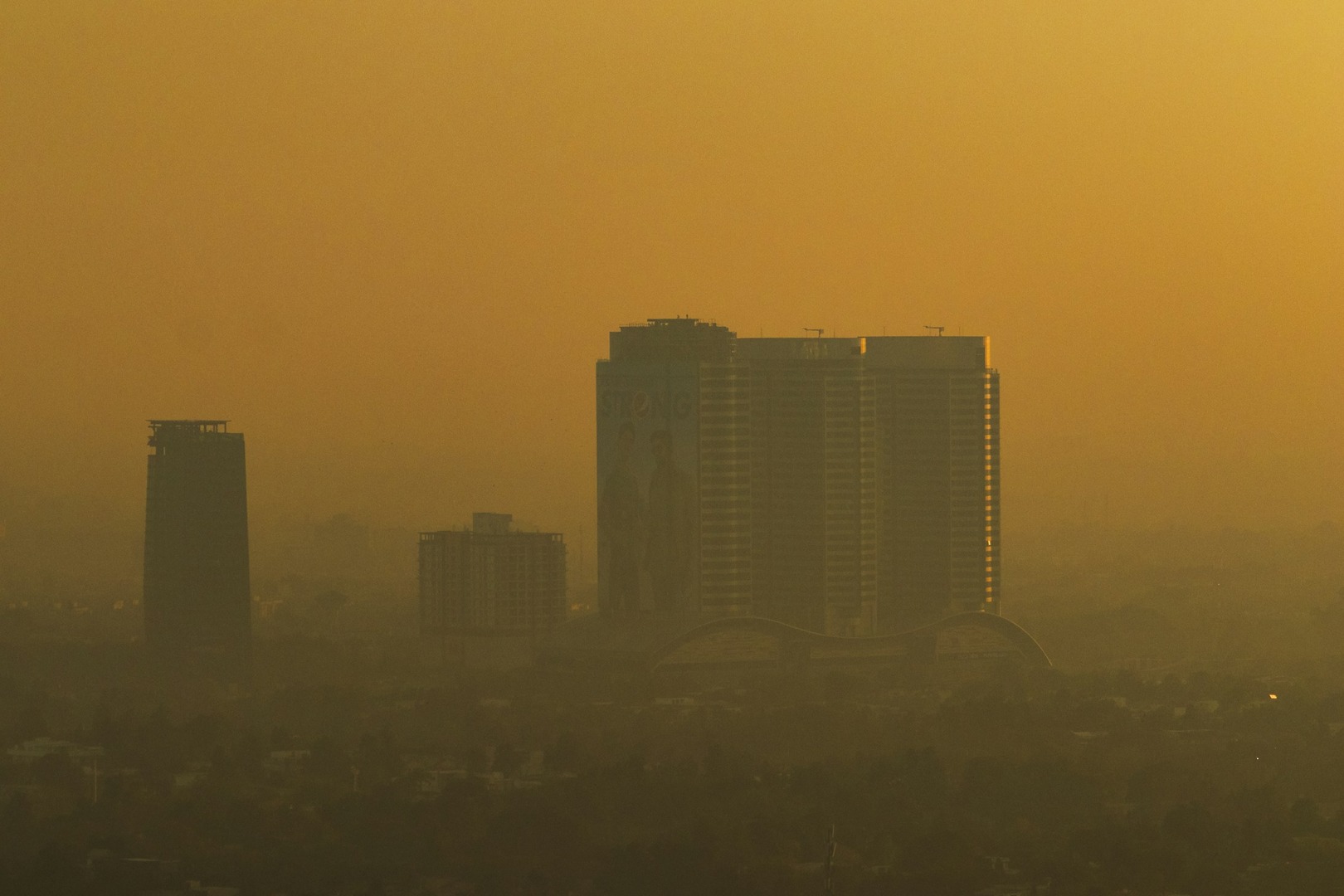
Central and South Asia remain the most polluted regions on Earth. Photo Credit: Ali Hamza Tullah

The worst cases of 2025 

Central and South Asia remain the most polluted regions on Earth, with 17 of the 20 most polluted cities in the world located there. To illustrate the scale of the problem in Asia, the world’s 25 most polluted cities were all located in India, Pakistan, and China, with India being home to three of the four most polluted cities on the planet. 

Overall, the five most polluted countries are Pakistan (67.3 µg/m³), Bangladesh (66.1 µg/m³), Tajikistan (57.3 µg/m³), Chad (53.6 µg/m³), and D.R. Congo (50.2 µg/m³). 
News regarding air pollution.
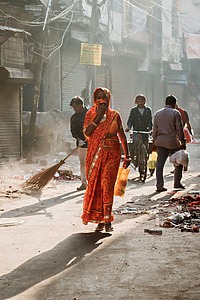
In India, which ranked 6th, the city of Loni is the country’s and world’s most polluted city. Photo Credit: Touann Gatouillat Vergos

In India, which ranked 6th, the city of Loni is the country’s and world’s most polluted city, with an annual average of 112.5 µg/m³, which is a nearly 23% increase from 2024 and more than 22 times the WHO guideline. New Delhi also saw intense public protests in November 2025 as air quality reached hazardous levels, with protesters holding signs like “I miss breathing.”

The wildfires effect

Even regions that usually have clean air struggled in 2025 due to massive wildfires. Canada and Europe saw record emissions from biomass burning, releasing about 1,380 megatonnes of carbon into the atmosphere. 

In North America, Canada’s national average increased by 10%. Flin Flon, Manitoba, became the region’s most polluted city after fires in May caused PM2.5 levels to skyrocket to eight times what they were the previous year. 

The best cases of 2025

Nieuwoudtville, South Africa, officially received the title of the world’s cleanest city in 2025, maintaining an incredibly low annual average PM2.5 concentration of just 1.0 µg/m³. On a broader scale, French Polynesia took the top spot among the countries with the cleanest air, with an average of 1.8 µg/m³. It was followed by Puerto Rico (2.4 µg/m³) and the U.S. Virgin Islands (2.5 µg/m³). 

In Europe, Iceland (3.7 µg/m³), Andorra (4.3 µg/m³), and Estonia (4.9 µg/m³) successfully met the WHO air quality standards. They were closely followed by Finland (5.2 µg/m³) and Sweden (5.5 µg/m³), which both remained very close to the 5 µg/m³ health target. 

In Latin America and the Caribbean, the overall trend was very positive. 208 cities saw their pollution levels drop in 2025, while only 95 saw an increase. The change was a very important win for the region, largely thanks to the end of the El Niño drought, which brought more rain and wind to clear the air in places like Honduras and Guatemala. Honduras was the region’s biggest success story, cutting its average pollution by 59% in just one year, falling from 15.2 µg/m³ to 6.3 µg/m³.

Oceania also remained one of the world’s cleanest regions, with 61% of cities meeting the WHO guideline.  

Related Articles

Here is a list of articles selected by our Editorial Board that have gained significant interest from the public:

  • Could Plans to Improve London’s Air Quality Deepen Inequality?
  • How Useful Is the Air Quality Index?
  • How Cleaner Air in Hospitals Can Cut Infections and Climate Impact at the Same Time

The U.S.

While overall air quality in the U.S. remained relatively good, there were some major differences between cities. El Paso, Texas, was the most polluted major U.S. city in 2025, largely due to a 46% spike in pollution caused by historic dust storms. On a regional level, Southeast Los Angeles, specifically areas like Cudahy and East Los Angeles, was identified as the most polluted region in the country. On the other hand, Seattle, Washington, was the cleanest major U.S. city, consistently meeting the WHO’s strict health guidelines with an average below 5 µg/m³. 


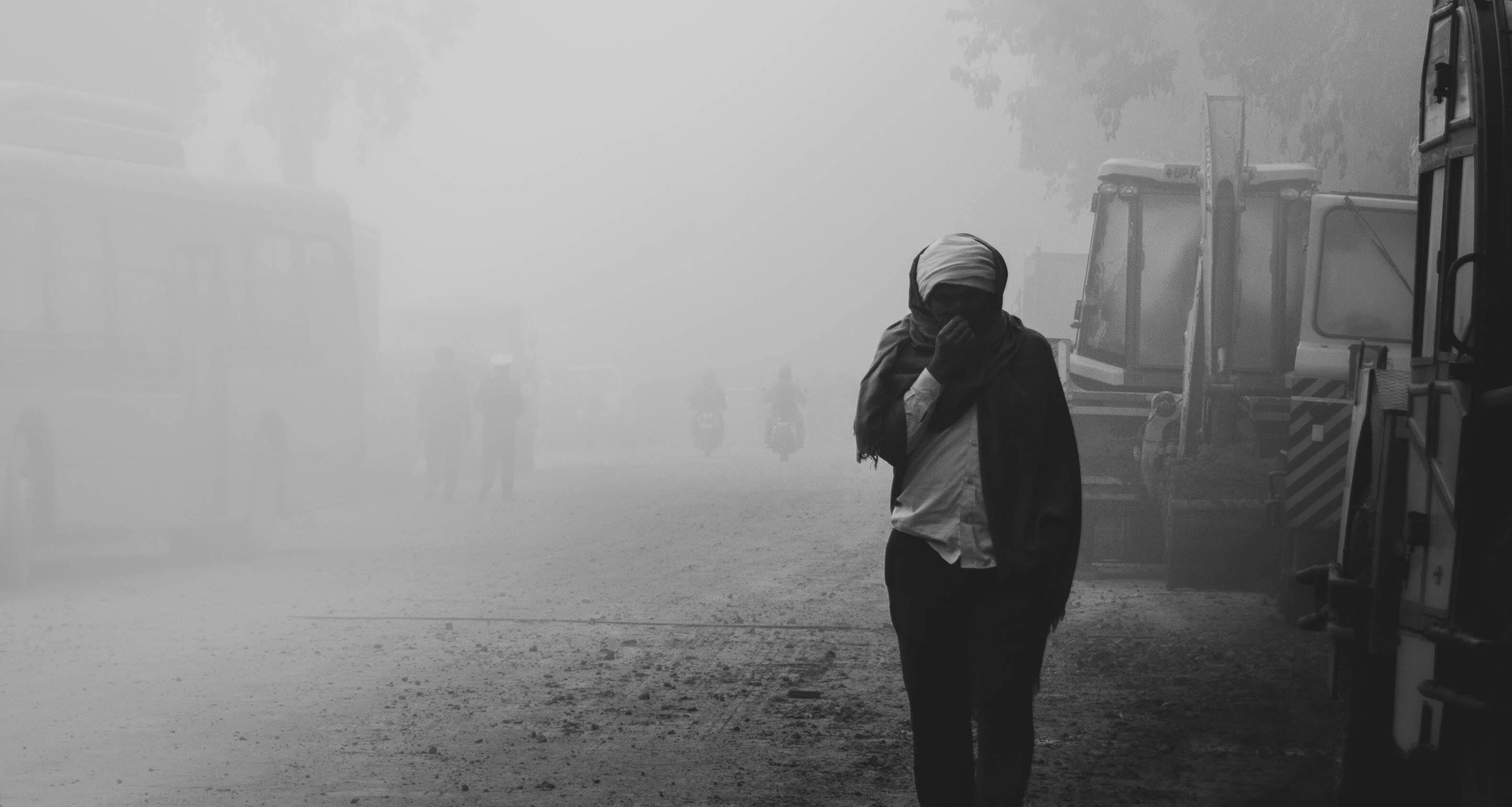
Editor’s Note: The opinions expressed here by the authors are their own, not those of impakter.com — In the Cover Photo: A person walking in Delhi, India. Cover Photo Credit: saikat ghosh

Tags: Air pollutionAsiaCanadachinaEuropeIndiaNorth AmericaOceaniaPakistanSouth AfricaSouth AmericaU.S.WHOWildfires
Previous Post

BP Chair Faces Shareholder Backlash Over Climate Vote Block

Related Posts

A mosquito standing on top of a spider web.
Health

The Frantic, High-Tech Fight to Stop Climate-Fueled Dengue Fever

April 7, 2026
Climate Change Is Making Earth Spin Slower
Climate Change

Climate Change Is Making Earth Spin Slower

April 7, 2026
Strait of Hormuz.
Energy

How the Energy Shock Could Deepen Debt Risks in Developing Economies

April 6, 2026

Related News

News regarding air pollution.

‘I Miss Breathing’: Air Pollution Is Worsening Worldwide

April 8, 2026
ESG news regarding BP facing shareholder backlash over a blocked climate resolution, Spain warning that an EU windfall tax could deter renewable investment, Malaysia expanding biodiesel blending nationwide, and India planning sovereign guarantees to manage rising shipping insurance risks amid the Middle East conflict.

BP Chair Faces Shareholder Backlash Over Climate Vote Block

April 8, 2026

Impakter informs you through the ESG news site and empowers your business CSRD compliance and ESG compliance with its Klimado SaaS ESG assessment tool marketplace that can be found on: www.klimado.com

Registered Office Address

Klimado GmbH
Niddastrasse 63,

60329, Frankfurt am Main, Germany


IMPAKTER is a Klimado GmbH website

Impakter is a publication that is identified by the following International Standard Serial Number (ISSN) is the following 2515-9569 (Printed) and 2515-9577 (online – Website).


Office Hours - Monday to Friday

9.30am - 5.00pm CEST


Email

stories [at] impakter.com

By Audience

  • TECH
    • Start-up
    • AI & MACHINE LEARNING
    • Green Tech
  • ENVIRONMENT
    • Biodiversity
    • Energy
    • Circular Economy
    • Climate Change
  • INDUSTRY NEWS
    • Entertainment
    • Food and Agriculture
    • Health
    • Politics & Foreign Affairs
    • Philanthropy
    • Science
    • Sport
    • Editorial Series

ESG/Finance Daily

  • ESG News
  • Sustainable Finance
  • Business

About Us

  • Team
  • Partners
  • Write for Impakter
  • Contact Us
  • Privacy Policy

© 2026 IMPAKTER. All rights reserved.

No Result
View All Result
  • Environment
    • Biodiversity
    • Climate Change
    • Circular Economy
    • Energy
  • FINANCE
    • ESG News
    • Sustainable Finance
    • Business
  • TECH
    • Start-up
    • AI & Machine Learning
    • Green Tech
  • Industry News
    • Entertainment
    • Food and Agriculture
    • Health
    • Politics & Foreign Affairs
    • Philanthropy
    • Science
    • Sport
  • Editorial Series
    • SDGs Series
    • Shape Your Future
    • Sustainable Cities
      • Copenhagen
      • San Francisco
      • Seattle
      • Sydney
  • About us
    • Our Story
    • Team
    • Partners
    • Write for Impakter
    • Contact Us
    • Privacy Policy

© 2026 IMPAKTER. All rights reserved.