Impakter
  • Environment
    • Biodiversity
    • Climate Change
    • Circular Economy
    • Energy
  • FINANCE
    • ESG News
    • Sustainable Finance
    • Business
  • TECH
    • Start-up
    • AI & Machine Learning
    • Green Tech
  • Industry News
    • Entertainment
    • Food and Agriculture
    • Health
    • Politics & Foreign Affairs
    • Philanthropy
    • Science
    • Sport
  • Editorial Series
    • SDGs Series
    • Shape Your Future
    • Sustainable Cities
      • Copenhagen
      • San Francisco
      • Seattle
      • Sydney
  • About us
    • Company
    • Team
    • Global Leaders
    • Partners
    • Write for Impakter
    • Contact Us
    • Privacy Policy
No Result
View All Result
Impakter logo
No Result
View All Result
Circularity Gap Report

How to Shift to, Grow, and Build Circular Economy

To accelerate progress towards a circular economy, the new Circularity Gap Report calls for addressing the root causes of linear impacts

International Institute for Sustainable Development (IISD)byInternational Institute for Sustainable Development (IISD)
January 27, 2024
in Business
0

The 2024 edition of the Circularity Gap Report, published by Circle Economy in collaboration with Deloitte, finds that global circularity rate has decreased from 9.1% in 2018 to 7.2% in 2023.

That means the share of secondary materials consumed worldwide is in decline. The report recommends policy, finance, and labor reforms that can reshape global systems to promote circularity.

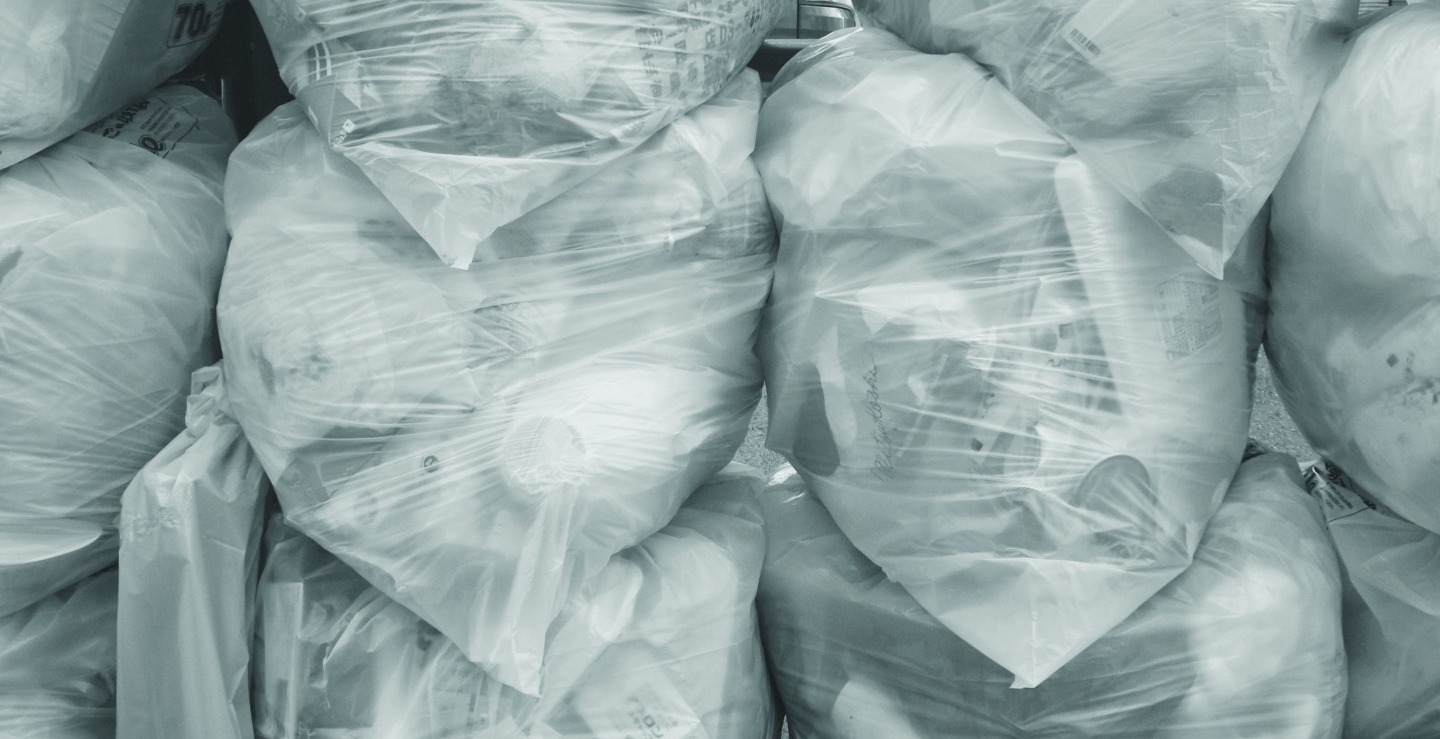
The report reveals that in the last five years, the world consumed 500 billion tonnes of materials — almost as much as was consumed during the entire 20th century. And while the volume of discussions, debates, and articles about circular economy has almost tripled over the same period, consumption continues to grow.

To accelerate progress towards a circular economy, the report calls for addressing the root causes of linear impacts. It recommends changing the “rules of the game” in favor of circular practices and proposes a strategy to unlock capital, roll out policies that are bold but contextually appropriate, and close the sustainable and circular skills gap.

The report recommends different solutions based on country income. For high-income countries (HICs), the report urges a “shift” to radically reduce material consumption while upholding well-being. Middle-income countries (MICs), it argues, should “grow” to stabilize their material consumption, while low-income countries (LICs) should “build” to increase their material consumption to meet their populations’ needs.

The report shows how policies and legal frameworks can incentivize sustainable and circular practices. Examples of impactful regulations in HICs include: incentivizing retrofitting and reusing buildings and their components; developing certification and warranties for secondary building materials; setting standards for product durability; and strengthening the Right to Repair legislation.


Related Articles: Why We Need a Transformative Circular Economy | Circular Plastic Economies: A Startup’s Solution to Marine Pollution | Turning Waste Into Wealth, a Collaboration for Circular Economy

MICs, according to the report, should prioritize fostering circular agriculture and manufacturing by, among other actions, introducing public bans and limits on pollution, mandating extended producer responsibility (EPR) schemes, and requiring a minimum amount of recovered materials for all new production while directing funds to regenerative farming.

A top priority for LICs should be sustainable development, achieved through circular policies in construction and agriculture. Examples of policies include relieving debt and improving access to development and transition capital, securing smallholder farmer rights, and incentivizing the use of local, organic, and secondary materials in construction.

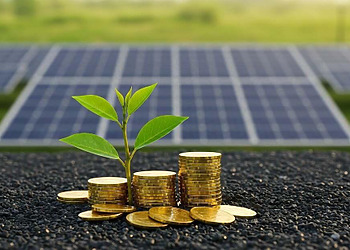
To unlock finance in HICs, the report recommends rethinking accounting standards and practices and increasing the price of unsustainable products through taxation. In MICs, it suggests governments shift subsidies away from polluting practices in agriculture and manufacturing towards clean, regenerative activities. Regenerative farming and smart urban planning are among the recommendations the report puts forward for LICs.

To enable a just transition, the report calls for, inter alia, bridging labor and skills gaps by including green disciplines and skills in education curricula and short-term courses.

Circle Economy launched the Circularity Gap Report series in 2018. The series aims to provide decision makers with structured evidence about circular strategies and their economic, environmental, and social impacts, to enable them to adequately consider the quality of life and well-being of people and the planet. The 2024 Circularity Gap Report was released on January 24.

** **

This article was originally published by the International Institute for Sustainable Development (IISD) and is republished here as part of an editorial collaboration with the IISD.


Editor’s Note: The opinions expressed here by the authors are their own, not those of Impakter.com — Featured Photo Credit: Possessed Photography.

Tags: Circle EconomyCircularity Gap ReportDeloitteEPRextended producer responsibilityIISDLICsMICsright to repair
Previous Post

Genetic Knowledge From Past Diseases: How It Could Help Address Present Health Issues 

Next Post

Samsung vs Xiaomi Smartphones: Which Are More Sustainable?

Related Posts

The Amazon rainforest is often called “the lungs of the world.” It produces oxygen and stores billions of tons of carbon every year. The Amazon rainforest covers more than 60% of the landmass of Peru. Photo Credit: USDA Forest Service / Diego Perez.
Biodiversity

Inside COP30

The 30th United Nations Climate Change Conference (COP30) is taking place in Belém, Brazil, from November 10 to 21, 2025....

byInternational Institute for Sustainable Development (IISD)
November 10, 2025
World Trade Organization Reform
Business

What We Should Be Talking About When We Talk About World Trade Organization Reform

Institutional reform is the headline item at the WTO’s 14th Ministerial Conference (MC14) in March 2026. Most people outside Geneva do not...

byInternational Institute for Sustainable Development (IISD)
October 31, 2025
COP30
Climate Change

What to Expect at COP30

Climate change negotiators will soon head to the 30th UN Climate Change Conference (COP30) in Belém, Brazil, after a year...

byInternational Institute for Sustainable Development (IISD)
October 22, 2025
harmful subsidies
Politics & Foreign Affairs

Harmful Subsidies Explained

This year marks 20 years since the International Institute for Sustainable Development (IISD) launched the Global Subsidies Initiative (GSI), which...

byInternational Institute for Sustainable Development (IISD)
October 14, 2025
EU Public Procurement Directive
Society

Public Money, Public Value: The EU’s Public Procurement Directive Review Explained

When governments buy buses, school meals, or hospital equipment, they shape entire markets. Across the European Union (EU), those purchases...

byInternational Institute for Sustainable Development (IISD)
September 22, 2025
Energy transition
Energy

Decarbonising the Energy Sector

This deep dive summarizes the discussion that took place in the context of the event “Decarbonising the energy sector: From...

byInternational Institute for Sustainable Development (IISD)
August 26, 2025
tariffs Africa
Editors' Picks

How Africa Is Responding to U.S. Tariff Policies

Kholofelo Kugler and Tani Washington examine how African countries are responding to the Trump administration’s sweeping new tariff regime. While...

byInternational Institute for Sustainable Development (IISD)
August 14, 2025
ICJ climate obligations
Climate Change

Historic International Court of Justice Opinion Confirms States’ Climate Obligations

The World’s Eyes Turn to the Hague On 23 July 2025, the International Court of Justice (ICJ) delivered its landmark advisory opinion...

byInternational Institute for Sustainable Development (IISD)
July 30, 2025
Next Post
Samsung building viewed from below

Samsung vs Xiaomi Smartphones: Which Are More Sustainable?

Recent News

The Best Virtual Office Address In London For Your Startup

How To Choose The Best Virtual Office Address In London For Your Startup

December 5, 2025
Granddaddy Purple Strain

Where Granddaddy Purple Strain Gets Its Iconic Grape Flavor

December 5, 2025
ESG news regarding Deforestation Mandate Being Pushed; EUs Acceleration on Hydrogen and Net Zero Revolution; AT&T Will End All DEI; UK Watchdog Blocks Nike and Lacoste Ads Over Green Claims.

U-Turn in Europe: Deforestation Mandate Pushed Back Again

December 5, 2025
  • ESG News
  • Sustainable Finance
  • Business

© 2025 Impakter.com owned by Klimado GmbH

No Result
View All Result
  • Environment
    • Biodiversity
    • Climate Change
    • Circular Economy
    • Energy
  • FINANCE
    • ESG News
    • Sustainable Finance
    • Business
  • TECH
    • Start-up
    • AI & Machine Learning
    • Green Tech
  • Industry News
    • Entertainment
    • Food and Agriculture
    • Health
    • Politics & Foreign Affairs
    • Philanthropy
    • Science
    • Sport
  • Editorial Series
    • SDGs Series
    • Shape Your Future
    • Sustainable Cities
      • Copenhagen
      • San Francisco
      • Seattle
      • Sydney
  • About us
    • Company
    • Team
    • Global Leaders
    • Partners
    • Write for Impakter
    • Contact Us
    • Privacy Policy

© 2025 Impakter.com owned by Klimado GmbH