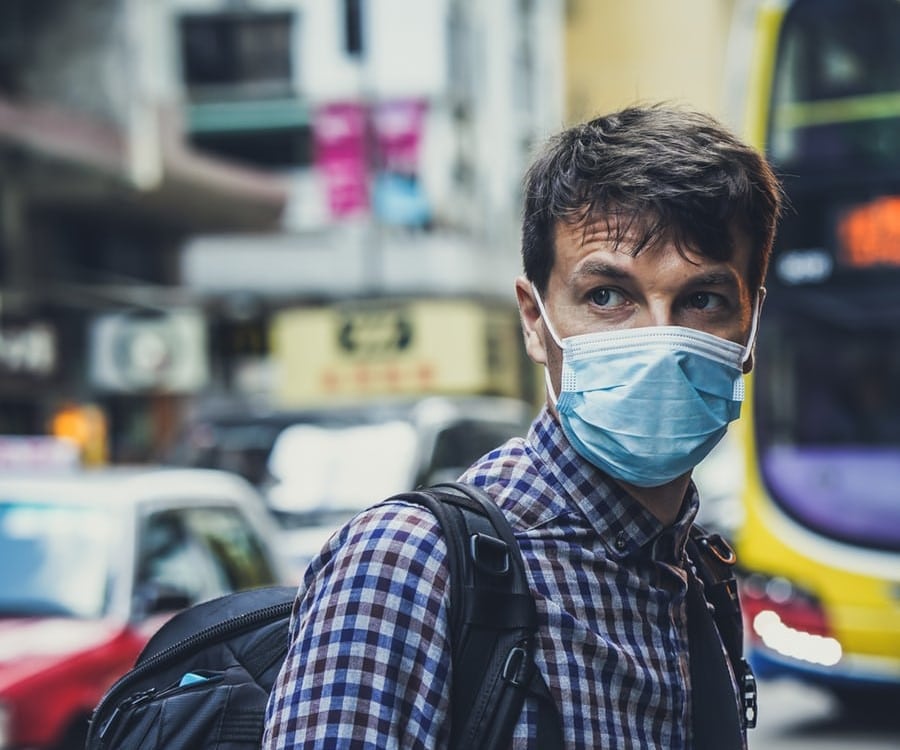
The World Health Organization (WHO) declared a Public Health Emergency of International Concern for a new coronavirus disease (Covid-19) in the Hubei Province of China in January 2020. WHO has said that the virus is really likely to spread to other countries around the world. WHO and public health authorities in the world are trying to prevent the virus from spreading. However, it’s not a guarantee that in the long run that they will be successful. Everyone needs to do their part to stop the virus from spreading. To that end WHO has issued a Covid-19 guidance for workplaces.

How Covid-19 spreads
When the people who have the virus cough or breathe out they let out droplets of liquid that are infected. These droplets may fall on top of things like desks, tables or phones. You can get infected from touching them and then touching your mouth, eyes or nose. If you are standing really close (1 meter) to someone infected by the virus you can catch it by swallowing the droplets they let out just like the flu. Most people who get the virus only suffer mild symptoms. However, other people might suffer a more serious illness and have to be hospitalized. People over 40 have a higher chance of experiencing this along with people with weakened immune systems and who have conditions like diabetes, heart and lung disease.
Related Coronavirus: Economies Worldwide – Political Risks – AI – One Health Solution
Simple ways to stop the spread of COVID-19 in your workplace
The simple steps below recommended by WHO can help stop the spread of infections in the workplace like colds, flu and stomach bugs, and keep your workers and customers safe from infection.
Employers should do these things now even if the virus has not spread to where they are. They can lower lost working days because of sickness and help stop or slow the virus from spreading. Many of them are going to be working from home, then if you are looking for software for employees working from home then have a look at that as we have been using it a lot and it’s great.
Workplaces must also have a temperature scanning system to help you control the health safety of your facility.
Make sure your workplaces are clean and sanitary because one of the main ways the virus spreads is when people touch these infected areas
- COVID 19 Disinfection – Regularly wipe surfaces (like desks and tables), and objects (like phones and keyboards) with disinfectant
Encourage your workers and customers to regularly and carefully wash their hands because washing kills the virus on your hands and helps prevent the virus from spreading
- Put a Hand Sanitizing Stands Rental around the workplace. Put hand sanitizers like a 72 pack 8 oz antibacterial hand sanitizer gel and make sure they are always full.
- Put up posters encouraging hand-washing – ask your local public health agency for these or look on www.WHO.int.
- Along with that take steps to communicate like offering advice from health and safety workers, instructions at meetings and information on the internet to encourage hand-washing
- Make sure that workers and customers have places where they can wash their hands with soap and water
Encourage good coughing and sneezing etiquette in the workplace as it stops the virus from spreading
- Put up posters encouraging coughing and sneezing etiquette. Along with that take steps to communicate like offering advice from health and safety workers, instructions at meetings and information on the internet and so on.
- Make sure that you have face masks and/or paper tissues at your workplaces, for those
who get a runny nose or cough at work, along with closed bins for throwing them out
Tell your workers and customers to check the national travel advice before going on business trips
Also tell them that if the virus starts spreading where they are then anyone who has a mild cough or a low fever should stay at home. They should also stay or work from home if they took simple meds like paracetamol/acetaminophen, ibuprofen or aspirin which might hide infections symptoms
- Keep telling people to stay at home even if they have mild symptoms of the virus
- Put up posters with this message in your workplace. Along with that use other communication means that you regularly use at work
- Your local health workers and health agency or other partners might have campaign materials that have this message
- Explain to your workers that they will be getting paid for this time off

Things to keep in mind when you or your workers travel
Before travelling
- Make sure that everyone at your workplace knows the latest information on places where the virus is spreading. You can find this at https://www.who.int/emergencies/diseases/novel-coronavirus-2019/situation-reports/
- You should consider the risks of travelling based on the latest information
- Don’t send workers who might have a higher chance of getting ill (older people and those with medical conditions like diabetes, heart and lung disease) to places where the virus is spreading
- Make sure that people travelling to places where the virus has spread get instructions from qualified people like health service workers, health care providers or local public health partners
- Consider giving to people who are going to travel small bottles (under 100 CL) of alcohol-based hand rub
While travelling
- Encourage people to wash their hands regularly and stay at least one meter away
from people who are coughing or sneezing - Make sure employees know what to do and who to contact if they feel ill while traveling
- Make sure that your workers follow instructions from local authorities where they are traveling to. If, for example, they are told by local authorities not to go somewhere they should not. Your workers should follow any local bans on travel, movement or large gatherings
When you or your employees return from traveling:
- People who have returned from an area where the virus is spreading should check themselves for symptoms for 14 days and take their temperature twice a day
- If they get even a mild cough or low grade fever (i.e. a temperature of 37.3 C or more) they should stay at home and isolate themselves. This means avoiding close contact (one meter or nearer) with other people, including family members. They should also get in touch with their healthcare provider or the local public health department, giving them details of their recent travel and symptoms
Getting your business ready in case COVID-19 spreads to your area
Make a plan of what to do if someone becomes ill with the virus at one of your workplaces
- The plan should include putting the ill person in a room or area where they are separate from others in the workplace, lowering the number of people who have contact with the sick person and getting in touch with the local health authorities
- Think about how to identify people who may be at risk, and help them, without discriminating or shaming them in your workplace. This could include people who have recently travelled to a place reporting cases, or other people who have conditions that makes them at higher risk of serious illness like diabetes, heart and lung disease, older age
- Tell your local public health authority you are making the plan and ask for their input

Encourage regular communication in your workplace. If there is an outbreak of the virus in your area the health authorities may instruct people to avoid public transport and crowded places. Communicating will help your business keep running while your workers stay safe.
Make a plan for an emergency and to keep your business running in the areas where the virus spreads
- The plan will help prepare your workplace in case the virus spreads to your area. It might also work for other health emergencies
- The plan should include how to keep your business running even if a large number of workers cannot come to your workplace – either because of local bans on travel or because they are ill.
- Tell your workers about the plan and make sure they know what they need to do – or not do – under the plan. Stress key points like the importance of staying away from work even if they get only mild symptoms or have had to take simple medications like paracetamol or ibuprofen which may hide the symptoms
- Make sure your plan includes the mental health and social impact the virus appears in the workplace or in the area and offer information and support
- For small and medium-sized businesses who do not have in-house staff health and welfare support, make partnerships and plans with your local health and social service providers before any emergency
- Your local or national public health authority might help with support and guidance in making your plan
Remember that now is the time to prepare for COVID-19 and that simple steps as recommended by WHO in this article can make a big difference. Doing this now will help keep your workers and your business safe.
How to stay informed:
Find the latest information from WHO on where COVID-19 is spreading:
https://www.who.int/emergencies/diseases/novel-coronavirus-2019/situation-reports/
Advice and guidance from WHO on COVID-19
https://www.who.int/emergencies/diseases/novel-coronavirus-2019
https://www.epi-win.com/