Creating an AI influencer used to mean generating a nice-looking avatar and hoping it was enough. Today, audiences expect much more. An AI influencer needs to speak naturally, appear consistently across videos, and create content that feels native to platforms like TikTok, Instagram Reels, and YouTube Shorts.
I stopped thinking about AI influencers as static digital characters. Instead, I treat them like real content creators with their own personality, visual identity, and content style. Once I built a repeatable workflow, I could create weeks of social media videos without filming a single scene myself.
This is the exact process I use to build AI influencer videos from scratch.
Why AI Influencers Are Becoming a Powerful Content Strategy
Brands and creators are publishing more short-form videos than ever, but keeping up with demand is difficult.
Filming takes time. Scheduling creators is expensive. Even recording a simple talking video often requires multiple takes, editing, subtitles, and revisions.
That is why AI influencers have become so popular.
Instead of depending on traditional production, I can build one digital creator and reuse that character across dozens of videos. The content still feels personal, but production becomes much faster.
An AI influencer can create:
- Product reviews
- Daily lifestyle content
- Educational videos
- Fashion showcases
- Beauty tutorials
- Brand promotions
- Storytelling videos
The biggest advantage is consistency. The same creator can appear every day without worrying about filming schedules, lighting, locations, or travel.
AI-based production can reduce some of the travel, physical sets and repeated filming involved in traditional content creation, but it does not eliminate environmental impacts. Generative AI workloads run in data centres, whose electricity consumption is rising rapidly. The International Energy Agency estimates that global data-centre electricity use reached about 415 TWh in 2024 and could reach around 945 TWh by 2030, with AI an important driver of that growth. The environmental balance therefore depends on both avoided physical production and the computing required to generate content.
Build the AI Influencer Before Creating Videos
Many beginners immediately start generating videos.
I used to do the same thing.
The result was usually a different-looking person every time.
Now I spend more time building the influencer before creating any video.
First, I decide who this creator is.
For every AI influencer, I write a simple profile that includes:
- Name
- Age
- Personality
- Niche
- Target audience
- Clothing style
- Speaking style
- Posting style
For example:
Emma
- 26 years old
- Beauty and skincare creator
- Friendly and confident
- Minimalist fashion style
- Creates short product reviews and daily routines
This profile becomes the foundation for every future video.
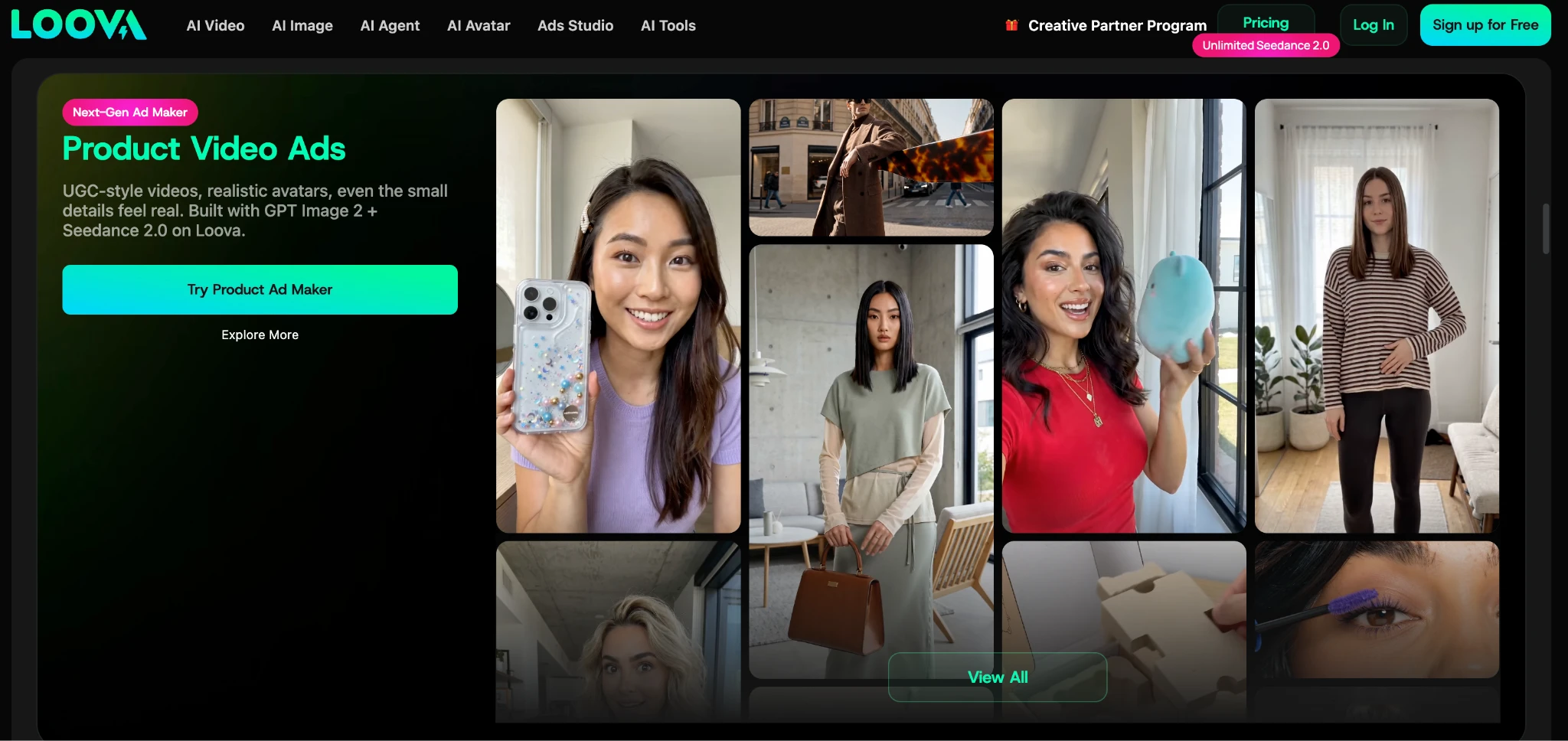
I also prefer keeping my entire workflow inside one platform instead of switching between multiple tools. I usually build my influencers in Loova because I can move easily between GPT Image 2 for realistic portraits and Nano Banana Pro when exploring different artistic directions while keeping my project organized.
The better this preparation is, the easier everything becomes later.
My Workflow for Creating AI Influencer Videos
Step 1: Create a Complete Character Identity
An AI influencer is much more than a face.
It needs a recognizable identity.
Before generating any images, I define several details that should remain consistent across every piece of content.
Appearance:
- Face shape
- Hair color
- Hairstyle
- Makeup style
- Clothing
- Accessories
Personality:
- Energetic
- Calm
- Funny
- Luxury
- Professional
Content style:
- Product reviews
- Vlogs
- Tutorials
- Daily routines
- Fashion recommendations
Voice style:
- Friendly
- Confident
- Casual
- Educational
These details may seem small, but together they create a creator that audiences can recognize immediately.
For example, if Emma always wears neutral colors, speaks calmly, and films in clean indoor environments, viewers begin connecting those visual patterns with her identity.
That consistency is much more valuable than creating a different impressive-looking avatar every day.
Step 2: Design the AI Influencer
Once the identity is clear, I begin creating the visual references.
I almost always start with AI Text to Image generation.
Instead of asking AI to create “a beautiful influencer,” I write prompts that describe a complete creator.
For example:
“A realistic 26-year-old female beauty influencer with shoulder-length dark brown hair, natural makeup, beige oversized sweater, minimalist jewelry, soft daylight, modern apartment background, lifestyle photography, friendly smile.”
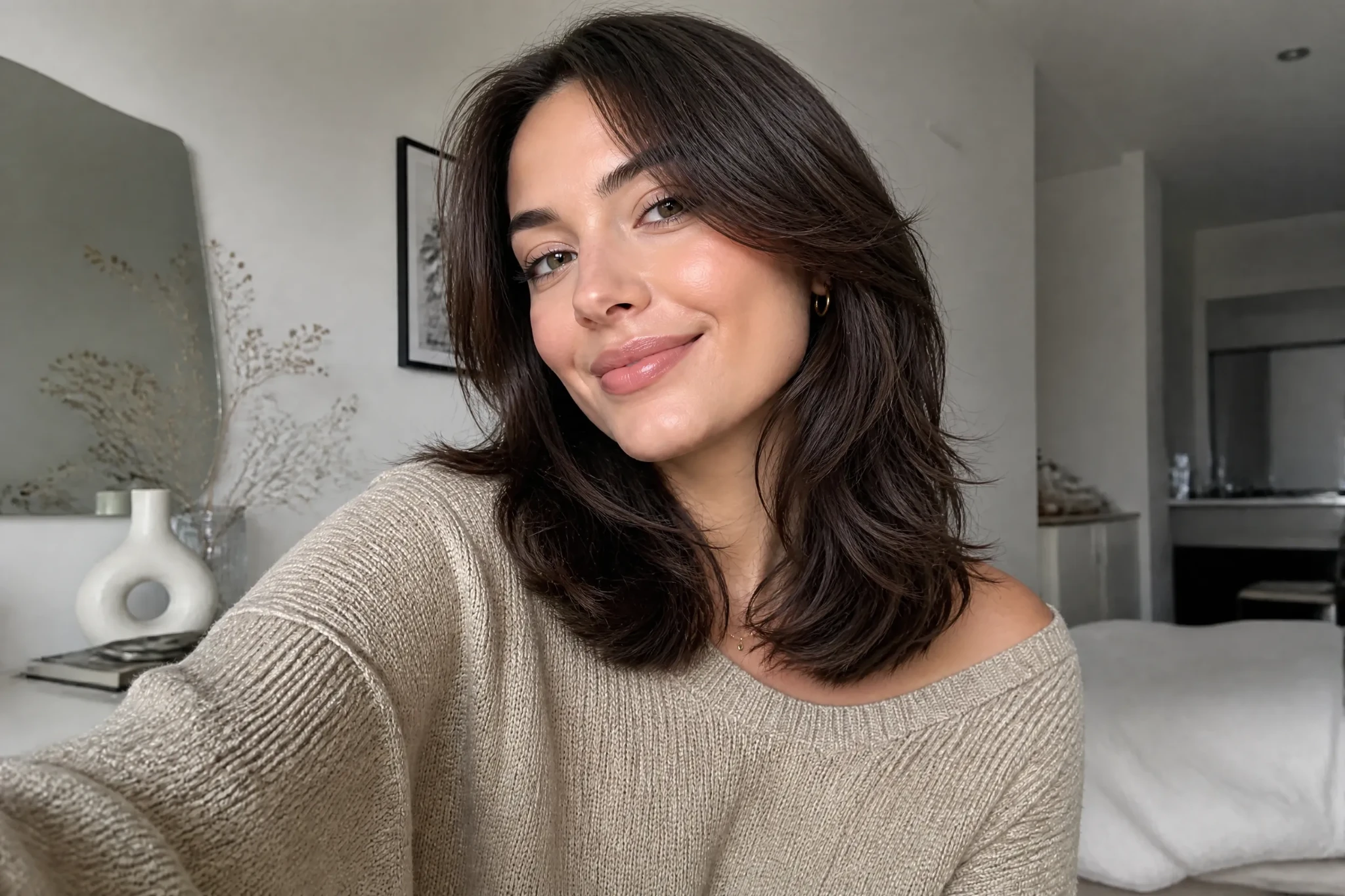
I normally generate several versions before choosing one.
Then I expand the reference set by creating:
- Front portrait
- Three-quarter view
- Side profile
- Full-body photo
- Different facial expressions
- Different hand positions
These references make later video generation much more stable.
Step 3: Refine the Look Without Changing the Character
The first images are rarely perfect.
Maybe the hairstyle feels right, but the clothing does not.
Maybe the face looks great, but I want a different background or makeup style.
Instead of starting over, I refine the existing character with AI Image to Image.
This lets me improve small details while keeping the overall identity unchanged.
For example, I might adjust:
- Outfit color
- Hair length
- Jewelry
- Lighting
- Background style
A prompt I often use looks like this:
“Keep the same face, hairstyle, and overall identity. Replace the sweater with a white blazer while maintaining the same realistic photography style.”
Being specific is important.
If I simply write “make her more fashionable,” the AI has too much freedom and may generate a completely different person.
After several rounds of refinement, I usually save a complete influencer reference library that includes multiple outfits, expressions, and poses.
This gives me enough material to create weeks of social media content without rebuilding the character from scratch every time.
Step 7: Turn Your AI Influencer Into Social Videos
Once the avatar is ready, I use it to create commercial content for product launches, paid ads, brand collaborations, and organic social posts.
If I already have an approved influencer image, I usually start with the image to video feature of an AI video generator.
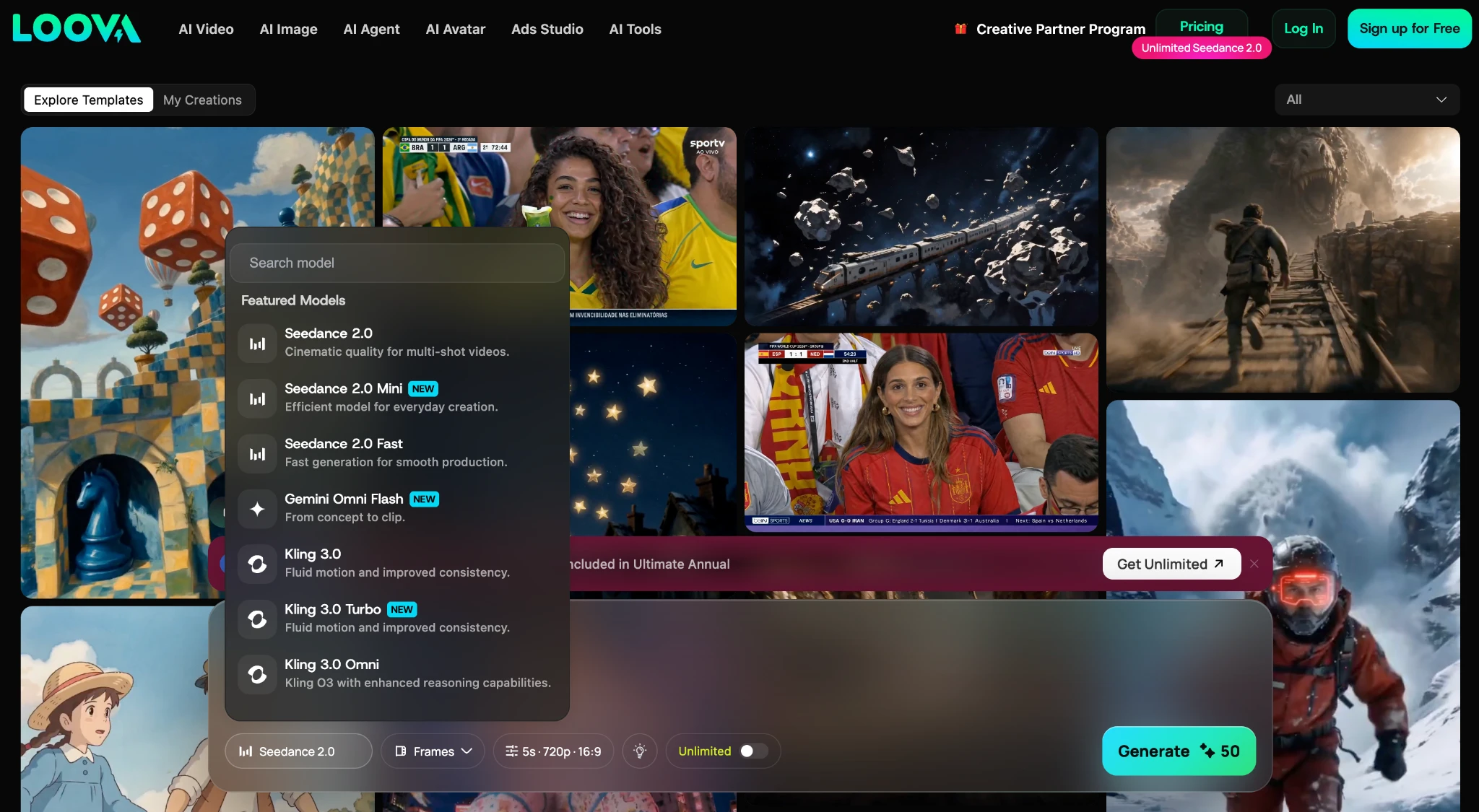
The reference image helps preserve the influencer’s face, outfit, and visual identity while adding natural expressions, gestures, and camera movement. I can then place the same influencer in different campaign scenarios, such as:
- Unboxing a new gaming controller
- Trying on different outfits for a fashion campaign
- Introducing a drink at a summer festival
- Showing how a fitness product fits into a morning routine
- Attending a football match while wearing a sponsored jersey
The same character can be adapted to seasonal events, product launches, viral formats, or different audience interests without rebuilding the campaign from scratch.
I also create B-roll to give the video more variety and make the product feel naturally connected to the scene. Useful B-roll shots include:
- Close-ups of the product packaging and logo
- Hands opening, holding, or using the product
- Detail shots of materials, buttons, labels, or textures
- The product placed in a realistic lifestyle setting
- Over-the-shoulder shots of the influencer using it
- Quick reaction shots after trying the product
- Wide shots that establish the campaign environment
- Smooth product rotations or slow camera push-ins
- Supporting shots of branded props, shopping bags, or event displays
For completely new campaign ideas, I switch to AI text to video. This lets me test different hooks, settings, and product stories before preparing polished reference images. This approach turns one AI influencer into a reusable commercial asset. Brands can keep the character consistent while producing more campaign variations for different products, platforms, audiences, and social trends.
Step 5: Add Natural Body Movement
One limitation of early AI avatars was that they often looked too static.
The face moved, but the body stayed almost perfectly still.
That immediately made the content feel artificial.
To solve this, I use Mimic Motion to transfer natural body language from a reference video.
For example, I can record or reuse a simple motion reference where someone:
- Points at a product
- Holds a coffee cup
- Walks toward the camera
- Unboxes a package
- Waves while speaking
The AI keeps the influencer’s appearance while recreating the body movement.
This works particularly well for lifestyle creators because viewers expect natural gestures. Even subtle movements like shifting weight, turning slightly, or using hand gestures make the final video feel much more believable.
I also try to match the movement to the creator’s personality.
A fashion influencer usually moves differently from a technology reviewer or an educational creator. Keeping those habits consistent helps strengthen the character over time.
Step 6: Reuse Winning Videos with Different Characters
Sometimes the video structure already works.
Instead of creating everything again, I simply replace the creator.
This is where Character Swap becomes useful.
For example, imagine a product review performs well with a female beauty influencer.
Instead of rebuilding the entire video, I can keep:
- Camera angles
- Editing rhythm
- Scene timing
- Product demonstrations
While replacing the presenter with a completely different AI influencer.
This is especially useful for agencies, brands, and marketing teams that need localized content or different creator styles for different audiences.
The workflow becomes much more efficient because I am reusing proven creative structures instead of restarting every campaign.
Step 8: Keep Every Video Consistent
Creating one good AI influencer video is relatively easy.
Creating thirty videos that all feel like they come from the same creator is much harder.
For longer content series, I usually rely on models like Seedance 2.0 because they are better suited for structured, multi-shot generation with stronger character consistency.
Regardless of the model, I follow the same rules every time.
I keep:
- The same face
- Similar hairstyles
- A recognizable wardrobe
- Consistent color palettes
- Similar speaking style
- Familiar camera framing
Viewers should immediately recognize the creator before they even hear the first sentence.
That familiarity is one of the biggest reasons successful influencers build loyal audiences.
Example: Creating One Week of AI Influencer Content
To show how this works in practice, imagine Emma is promoting a new skincare brand.
On Monday, she records a short product introduction.
On Tuesday, she shares a morning routine using the same product.
On Wednesday, she answers common skincare questions.
On Thursday, she posts a quick “three tips” video.
On Friday, she creates a product comparison.
During the weekend, she uploads a lifestyle vlog and a behind-the-scenes style update.
Although every video is different, viewers always recognize the same creator because her appearance, personality, voice, and content style remain consistent.
Instead of producing seven unrelated videos, I built one influencer system that generates an entire week’s worth of content.
Common Mistakes When Creating AI Influencer Videos
Creating a Different Character Every Time
Many creators unintentionally change hairstyles, clothing, lighting, and personality between videos. The result is content that feels inconsistent. Treat your influencer like a real person with an established identity.
Focusing Only on Appearance
A realistic face alone is not enough. Viewers remember voice, gestures, personality, and content style just as much as facial details. Build the complete creator, not only the avatar.
Overusing Perfect Studio Visuals
Social media content often performs better when it feels natural. Simple indoor environments, handheld camera movement, and casual conversations usually create more trust than overly polished commercial scenes.
Ignoring Platform Differences
A TikTok creator does not speak the same way as a YouTube educator. Adjust pacing, hooks, and editing style for each platform while keeping the creator’s identity unchanged.
Final Thoughts
Creating AI influencer videos without filming is no longer just about generating a digital face.
The real goal is building a creator that audiences can recognize, trust, and follow over time.
My workflow always starts with the same foundation: define the identity, create consistent references, bring the avatar to life with voice and motion, and then scale production into multiple social media formats.
Once that system is in place, creating new content becomes much faster because every video builds on the same digital creator instead of starting from zero.
FAQ
Can I create an AI influencer without filming myself?
Yes. Modern AI tools allow you to create the character, generate the voice, animate facial expressions, and produce complete videos without recording yourself.
How do I make my AI influencer look consistent?
Create a detailed character profile first, build a reference image library, and keep important visual elements like hairstyle, clothing, and personality consistent across every video.
Do AI influencer videos work on TikTok and Instagram?
Yes. Many creators use AI influencers for product reviews, tutorials, educational videos, and lifestyle content. The key is making the videos feel natural rather than overly scripted.
Should I create images before videos?
For most projects, yes. High-quality reference images provide a stable foundation and usually produce more consistent video results.
How many videos can I create from one AI influencer?
Once the character system is complete, you can create dozens or even hundreds of videos by changing topics, locations, and camera styles while keeping the influencer’s identity consistent.
What is the biggest mistake when creating AI influencers?
Trying to generate every video from scratch. Building a reusable influencer system first makes content creation faster, more consistent, and much easier to scale.
Editor’s Note: The opinions expressed here by the authors are their own, not those of Impakter.com — In the cover: AI influencer videos combine synthetic identities, generative visuals and digital content workflows to create reusable social media personalities. Photo Credit: Magnific