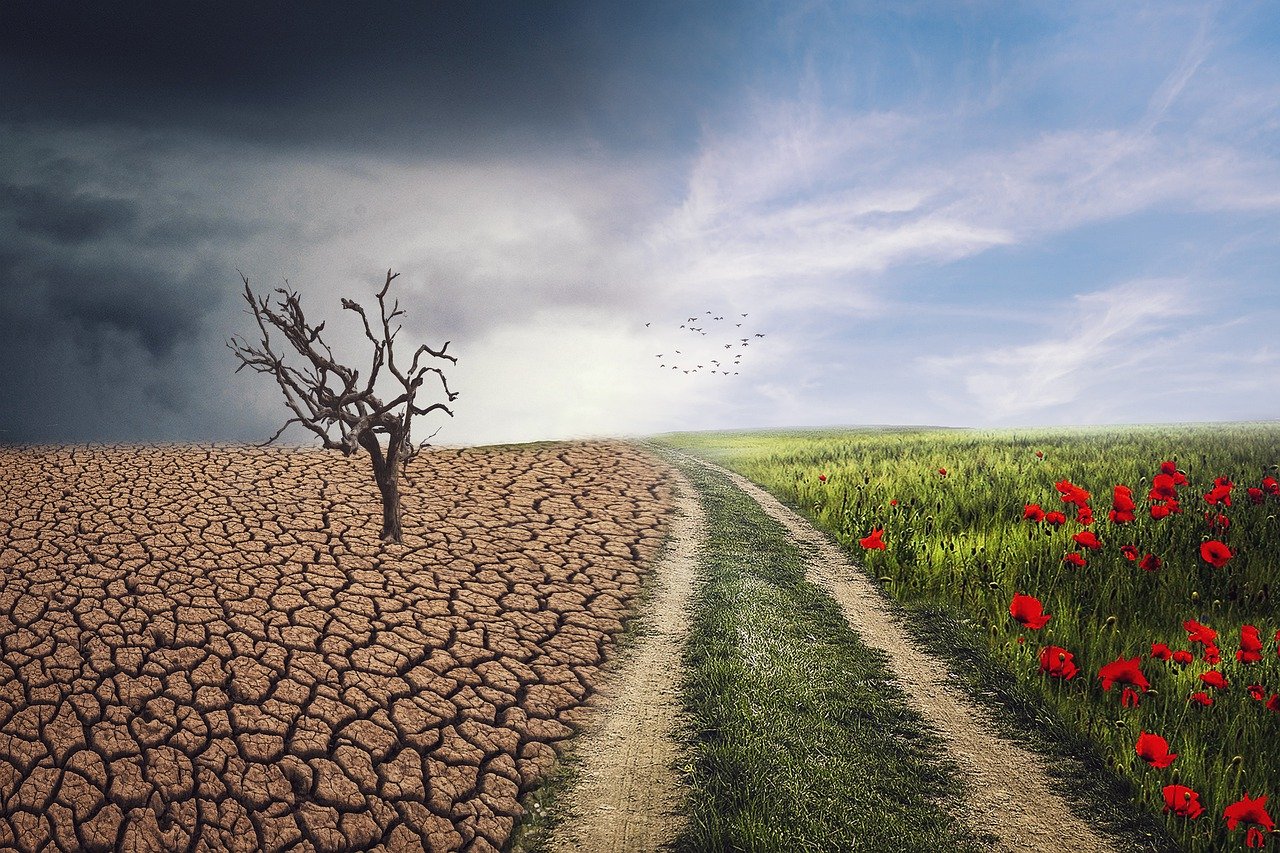
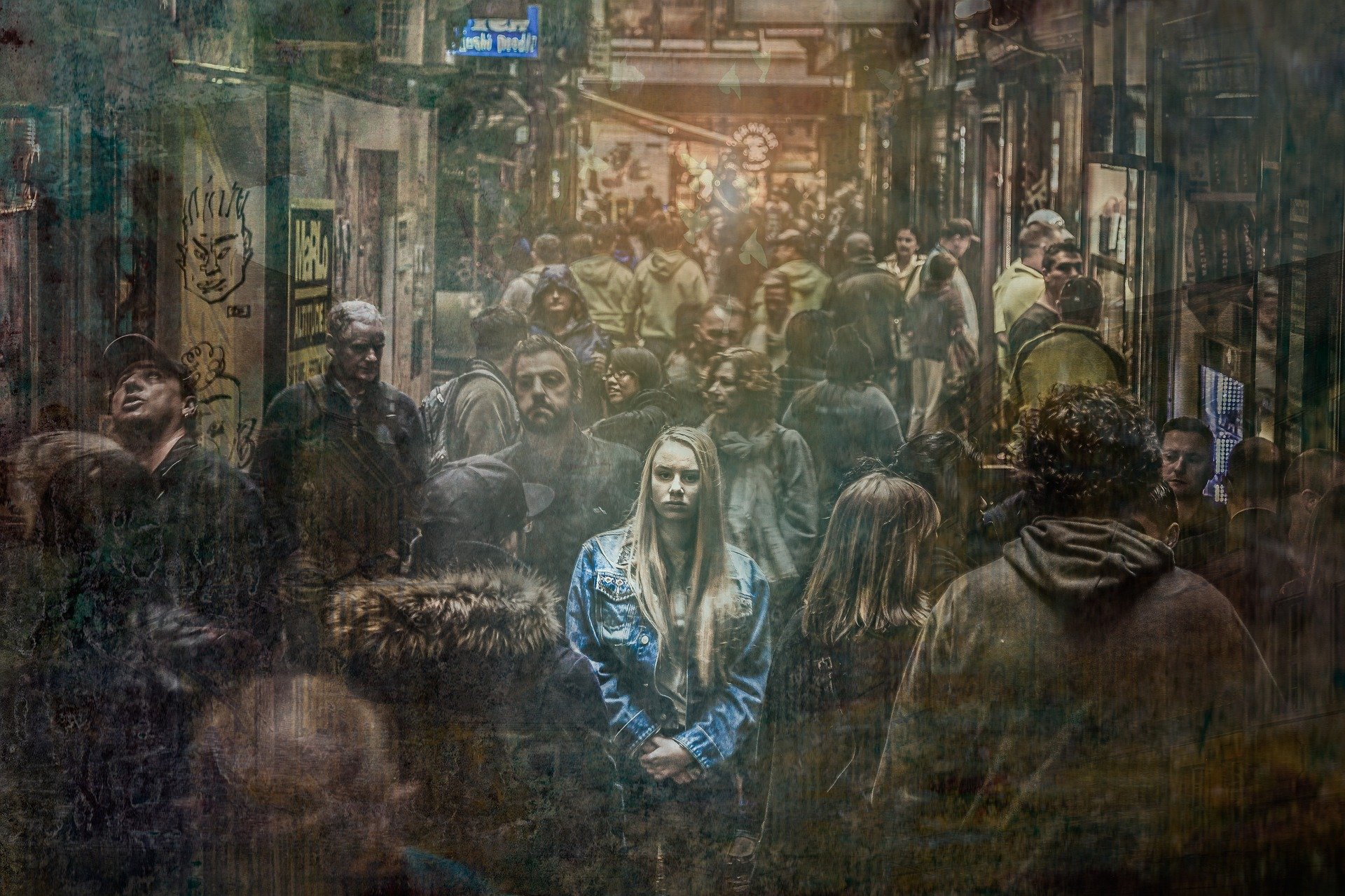
In 2018 my climate grief hit an all-time high. I’m in a much better place now, so when I think back to how sick I was, my heart breaks for my younger self. I was so hopeless, and I didn’t know how to continue into an uncertain future that felt so doomed. I felt trapped, in the midst of burnout, and feeling guilty for all the ways I contributed to the problem. I was in a fragile state of mind, fraught with tears and nihilism. And worst of all, I felt alone, because no one around me was going through it.
Perhaps you can relate?
Climate Anxiety Definition
I now know that it isn’t just me. Climate-related mental stress is becoming increasingly common and psychologists are taking note because it can severely damage the quality of life. The American Psychological Association published a paper on the psychological impact of climate change and they found eco-anxiety can manifest itself as the following outcomes: “trauma and shock, post-traumatic stress disorder, compounded stress, strains on social relationships, depression, anxiety, suicide, substance abuse, aggression and violence, loss of personally important places, loss of autonomy and control, loss of personal and occupational identity and feelings of helplessness, fear, and fatalism.”
Climate Anxiety Meaning
If you have climate anxiety, I think it means you need to find a productive outlet for that energy, talk openly about your climate change and find a supportive community to help you through it. In my case, I did several things, I even started to get products from websites like weed-seeds.com, which seem to be very beneficial.
When I was experiencing chronic eco-anxiety episodes, I was also reading The Limits to Growth, a valuable read for sure, but not in a depressed state of mind. I can see now that I was hyper-focused on the negative effects of climate change and it was only when I started to shift my focus to what I could do that the episodes started to subside.
Going zero waste helped, but my personal impact felt minuscule, so I started a sustainable personal care product line called Spiffy Rebel and focused my energy on turning it into my own little utopia. I used vegan formulations, recycled materials, reduced plastic use and made everything in a zero-waste and carbon-neutral studio.
When I would sell our products at markets, I’d get to connect with like-minded individuals who were also passionate about sustainability and making better choices. It gave me hope and alleviated my symptoms, so I kept at it.
How to Deal with Climate Grief

But you don’t have to start a business to alleviate your climate grief. It is one way to take action, but there are many ways to be part of the solution.
While taking personal responsibility is important, we need to also do the harder work of changing the systems and culture that have created the problem. This isn’t going to be as simple as using a reusable water bottle or bag. Changing a system can be difficult to grasp. Where do you even begin?
The Berkana Institute’s two loops model is a valuable tool for envisioning what our transition to a sustainable future will look like from a broader systems view. It also reveals why we feel that everything is falling apart because it is! The good news is, that there is something new and better emerging, we just might not be able to see it yet.
In the two loops model, the first loop represents a system in decline, while the other loop represents the emergent system that is taking its place. You can think of the first loop as our current but outdated socioeconomic system. It is an outdated system that is no longer meeting our needs, so we’re starting to experience instability and chaos as it begins to decline.
A new system emerges when separate efforts and experiments succeed and come together to produce something bigger than the sum of its parts.
This model offers us a framework when looking for how we can contribute to the transition. There are multiple roles you can choose as a starting point when figuring out your own unique path. They are the following: trailblazers, hospice workers, illuminators and protectors.
Trailblazers are the risk-taking pioneers and innovators willing to undertake the lonely work of experimenting with new methods. Trailblazers are looking for the solutions we need to build a better future. My experience building a new kind of business would fall into this category.
Hospice workers are those compassionate and empathetic caregivers that are easing the discomfort of those who are experiencing the worst effects of a system in decline. Hospice work can be something like organizing a climate grief support group so it doesn’t necessarily mean it must be morbid, but it will be emotionally challenging.
Illuminators are the guides that shed a light on the work of others. They’re crafting the narrative of our transition and helping us connect with other like-minded groups and individuals. To be an illuminator, share local solutions to problems; for example, create a map with food coops, environmental justice non-profits, community gardens and sustainable shops in your area and share it with your community.
Protectors are those who have accumulated power and influence within the current system and can use their privilege to support the work of the others. If you’re organization leader, civic leader or public figure, think of the green projects that you can help greenlight and clear the way for.
Remember this is only a model, so perhaps you’ll create a new role that is all your own that is a combination of all of these or none of these roles.
How to Get Started Now
I’d like to bring your attention to the gap between the dominant system and the emerging one in the two loops model. I believe this limbo is where we find ourselves right now, adrift in dangerous waters.
We’ve been in this boat before. It takes time for a new way of thinking to become established. While we can look back at history and see an obvious turning points and transition periods, in the midst of great change it must feel endlessly chaotic as people look for ways to reorganize around a new paradigm. If we look back to the Enlightenment, that took two hundred years! Although thankfully the Industrial Revolution took half as much time. Hopefully, our next transition will be much quicker now that we have global connectivity.
So how can you speed this process along? Behavioral scientists are discovering the power of social influence to promote environmentally friendly behavior.
Sander van der Linden, Ph.D., assistant professor of social psychology at the University of Cambridge and editor-in-chief of the Journal of Environmental Psychology, and colleagues from the Yale Program on Climate Change Communication recommend having conversations with your family and friends about climate change.
One study found people are more likely to support pro-climate policies when their friends and family care about climate change. Most significantly, this helped sway conservatives who are generally less likely to accept that human activity is the cause of climate change (Goldberg, M.H., et al., Environment and Behavior, 2019). A different study showed that when people discuss climate change more frequently, their friends and family are more likely to express greater concern about climate change over time (Goldberg, M.H., et al., PNAS, Vol. 116, No. 30, 2019).
Speaking openly about climate change also has another benefit, it is a flare in the darkness to help likeminded people find you in the ocean of change. Sometimes you need to illuminate your own trailblazing.
Community and connection will help us get through this. Connecting with family and friends who don’t share our concern will help convince them. Connecting with likeminded individuals will help us build resilient communities and sustainable alternatives so we can give birth to a healthier, equitable and regenerative new system.
Finding Climate Change Support
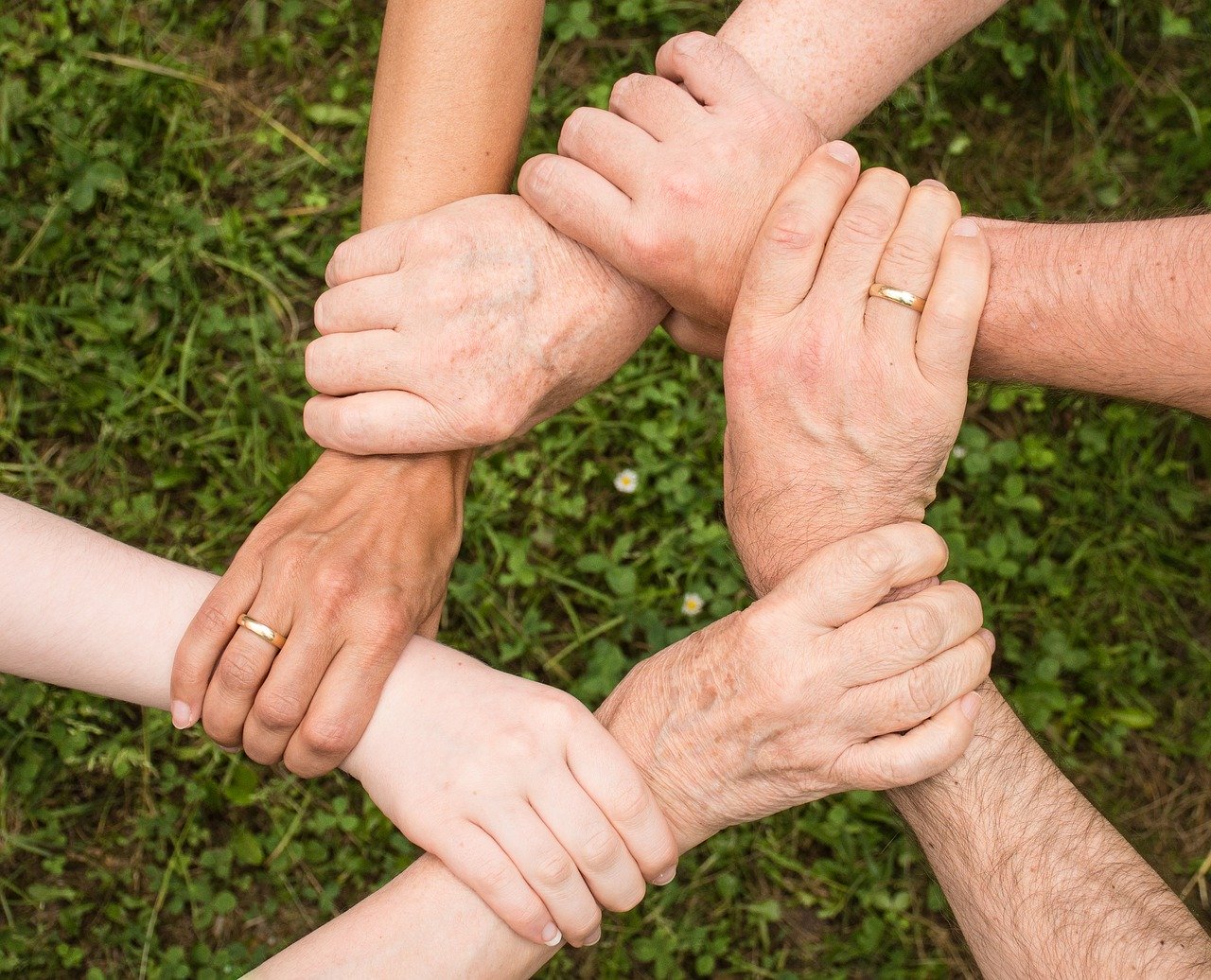
As our current system flails in the water, it will crush alternatives as a means of self-preservation. This is also why it is so dangerous to go it alone.
If you find yourself in this position, find a climate change support group or call 1-800-622-HELP right away to receive a list of mental health support services. While it may feel like eco-anxiety is a normal byproduct of advocating for climate change solutions, it doesn’t have to be. My impacts became greater as my mental outlook became healthier. CBD products from cbdarmour.co.uk has helped me a lot with my mental health.
If you’re struggling with eco-anxiety, I urge you to start taking action. Make some changes in your personal life and start chipping away at the system. Find YOUR way to make a contribution to advancing our collective transition. Find your community. Start casually dropping climate change into conversations with family and friends. Take care of yourself and ask for support when you need it.
As Rebecca Solnit so nicely put it, “it’s not hope that drives us into action, it’s the action that drives us into hope.”