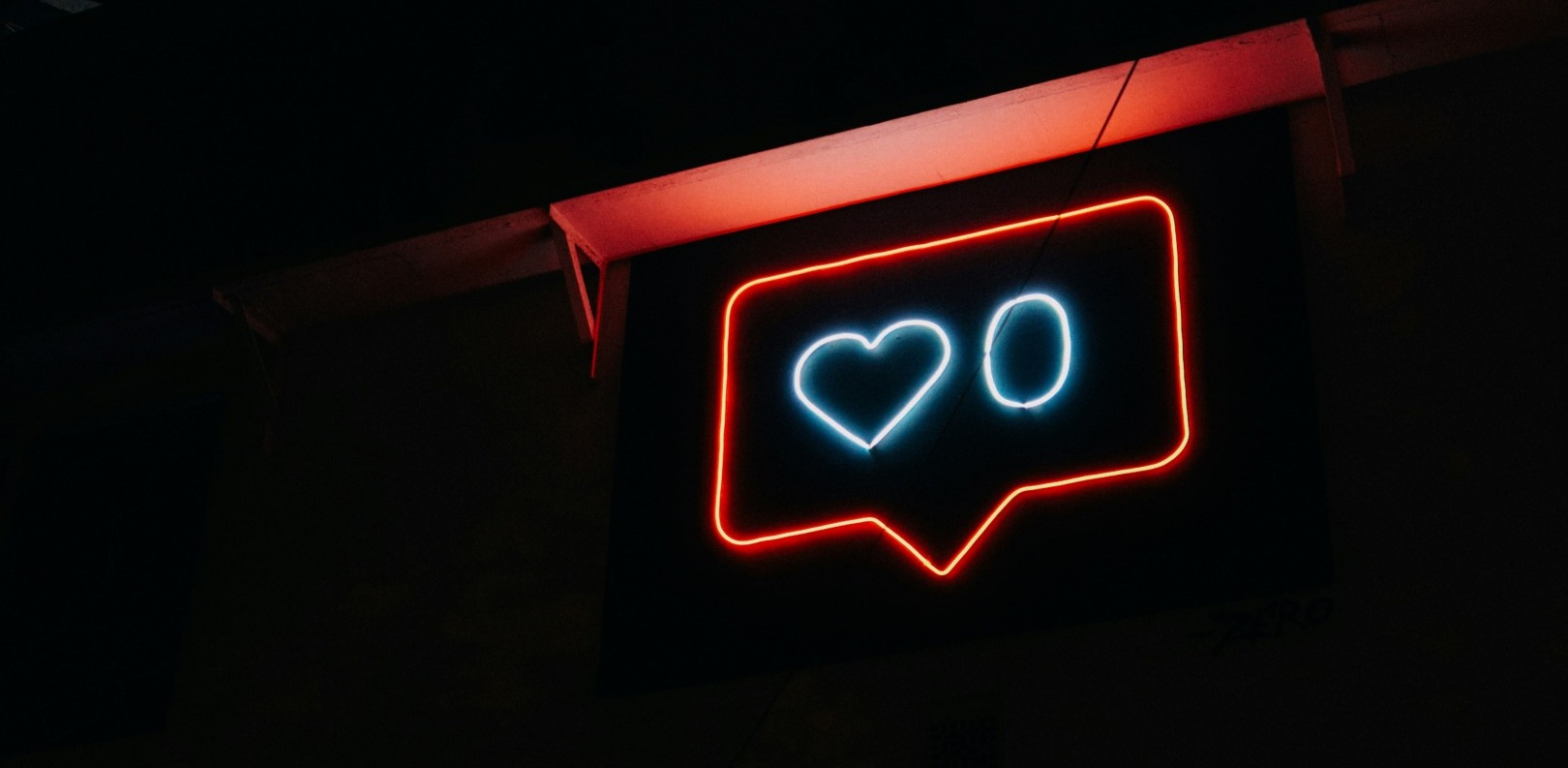
As a late millennial who grew up with technology, I could never have imagined how profoundly social media would erode privacy as it has today.
I can’t scroll through Instagram without being inundated by influencers and random people constantly sharing every aspect of their lives — their morning coffee, gym sessions, holidays, daily outfits, or even the most intimate moments like family gatherings or personal struggles.
First of all, who said I even want to be connected to complete strangers like this? And beyond that, who said I have any interest in watching their lives?
In my view, the advent of modern social media has not only eroded privacy but also caused people to voluntarily give it away — all for social validation.
What was once private is now public content
What used to be private is now public content — what was once reserved for family, friends, and close-knit circles is now out there for strangers to see.
It feels as though we’re turning our lives into commodities — I’ll even go as far as to say that people online have become brands. You might think that’s an extreme take, but doesn’t it feel that way? Moments once cherished with only our closest family and friends have now become shareable content for the world to consume.
It feels like we’re not normal, everyday human beings anymore — we have turned into content creators — constantly curating our lives, filtering our emotions, and packaging our experiences for digital consumption.
I once vented to my friend about how logging on to Instagram triggers anxiety — the endless stream of content, the perfectly curated yet inauthentic posts, and the constant flood of random influencers and strangers sharing every personal detail of their lives.
It feels overwhelming as if privacy has become a commodity, and we’re being sold not just products but also the idea that our own lives should be constantly on display for public consumption.
Privacy slowly slips away as we share more of ourselves, replaced by an increasingly detached public persona. Are we sacrificing our right to live authentically, privately, in exchange for the fleeting approval of strangers?
The more I scroll, the more it feels like we’re expected to sacrifice personal boundaries in exchange for likes and validation.
No one ever talks about the pressure these social media platforms put on us. Life is already challenging—we have jobs, daily responsibilities, chores, and so much to manage—so where are we supposed to find the time and energy to curate our lives and give away our privacy to complete strangers?
It’s all just getting so insane.
The severe costs of oversharing
You might be reading this article and thinking, “Oh, you’re just exaggerating the issue,” but I’m really not.
Just think about this: if you’re a millennial like me, was there ever pressure in the past to share your life on social media in the same way we do now? Back then, our personal moments were often kept private and cherished by family and friends rather than broadcast to a vast audience.
Oversharing has severe costs, and this reality deserves our serious attention. In a recent piece for IMPAKTER, I delved into the ways Silicon Valley is fundamentally rewiring our brains. My focus was on the younger generations, who now stand as the most mentally unwell cohort in history. This alarming trend can largely be attributed to social media addiction and oversharing.
Privacy loss is not the only concern surrounding engagement-driven platforms. An Instagram lawsuit may also allege that algorithmic feeds, social comparison, notifications, and other design features encouraged compulsive use while exposing vulnerable young users to mental health risks.
But I also believe it’s not just the younger generations who are suffering; adults are also feeling the strain.
Related Articles: Over-Sharenting on Social Media | Journalism Threatened by Social Media: Can the News Industry Be Saved? | Social Media: The Dumpster Fire Burns More Garbage
Consider the case of professionals who, once content with leaving work behind at the office, now find themselves bound to the endless cycle of social media visibility. It’s no longer enough to excel in one’s field; one must also cultivate a personal brand, a digital persona polished to perfection. The pressure to share career triumphs, post hot takes, and network online has become an unspoken part of the modern workday.
Who said we wanted to live like this? Never mind sign up for it? We are constantly connected, always on display, as if life has become one long audition for an invisible audience.
We used to value moments of privacy and cherished the freedom to disconnect. Now, even our downtime is documented, judged, and curated for the whole world to see. It’s as though we’ve traded the richness of real, messy living for a never-ending pursuit of digital approval. Did we ask for this, or are we simply caught in a system we didn’t realise was taking over?
Living for likes: How the digital age is costing us our privacy
In the pursuit of likes, followers, and online validation, we’ve gradually traded away one of our most valuable assets: privacy. What was once a natural boundary between our public and private lives has become increasingly blurred as we share more and more of ourselves online. From posting family photos to sharing our daily routines, we voluntarily expose personal moments to a digital audience that extends far beyond our control.
In the era of digital technology, protecting our privacy is a must rather than a given. If we don’t, we run the danger of losing both the freedom to manage our personal information and the capacity to live genuine lives hidden from the prying eyes of the internet.
In the digital age, privacy is no longer a given — it’s something we must actively guard. If we don’t, we risk losing not only control over our personal data but also the ability to live authentically, away from the gaze of the online world. Fortunately, a data cleanup tool like Privacy365 can help locate and address our digital privacy concerns.
Ultimately, reclaiming our privacy is essential for preserving the freedom to be ourselves, free from the demands of digital approval. Only by recognising this can we begin to foster a more balanced relationship with technology, one that respects our need for both connection and solitude.
Instead of living for ourselves, we may end up living for random strangers–while giving up our privacy in return.
Editor’s Note: The opinions expressed here by the authors are their own, not those of Impakter.com — Cover Photo Credit: Prateek Katyal.